Guide
What Makes Antique Chinese Porcelain Valuable?
Two blue and white jars can look alike in a photograph and be worlds apart in value. Chinese porcelain value rests on a handful of factors: what the piece is and when it was made, the kiln and the quality of the work, its condition, its completeness, its history and the state of the market. This guide explains each of them, and how to research comparable pieces yourself.
What to look for
- Establish what the piece is and when it was made; everything else depends on it.
- Judge the potting, glaze and painting against the best examples of the same type.
- Record condition honestly: every chip, crack, repair and area of wear.
- Note whether the piece is complete, with its original cover or its pair.
- Gather any history: old labels, invoices, catalogues and family photographs.
- Compare with sold examples of the same type, size and condition, not with asking prices.
Chinese porcelain value starts with authenticity and period
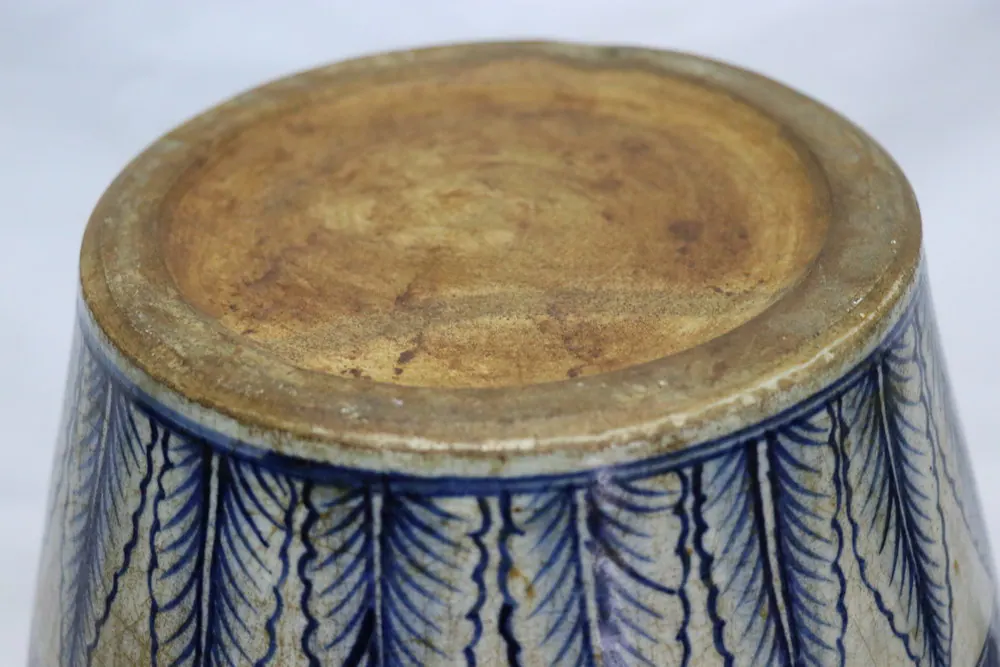
The first question is always what the piece really is. Chinese potters copied earlier wares for centuries, sometimes out of admiration and sometimes for the market, and modern workshops produce convincing reproductions today. A vase made in the Ming dynasty and a later vase in Ming style may share a shape, a pattern and even a mark, yet the difference in value between them is very large.
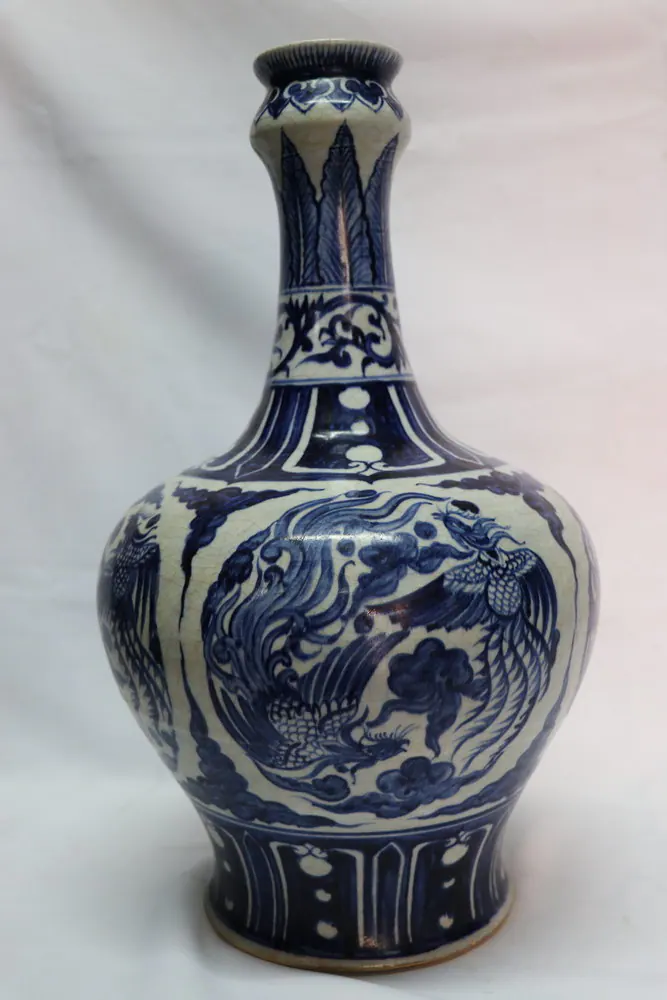
This is why most searches for Ming vase value are really questions of attribution. Until the date of a piece is settled, the other factors on this page hardly apply. Our guide to Ming dynasty porcelain describes the main types of the period and how they are recognised.
Marks need particular care. A mark records what was written on the piece, not when it was made. Potters of the Qing dynasty often wrote the reign marks of admired Ming emperors on their own work, and those marks were copied again in the nineteenth and twentieth centuries. A piece with a Chenghua mark may therefore be of almost any later date. Our guides to Chinese porcelain marks and to apocryphal marks explain how marks are read and why a mark alone settles nothing.
Imperial and private kilns
From the Ming dynasty onwards, porcelain for the court was made at official kilns in Jingdezhen under close supervision. Materials were chosen with care, designs were set centrally and standards were strict. Excavations at the site of the Ming official kilns have recovered large quantities of rejected pieces that were deliberately broken rather than released. Porcelain made to that standard, in good condition and securely attributed, sits at the top of the market.
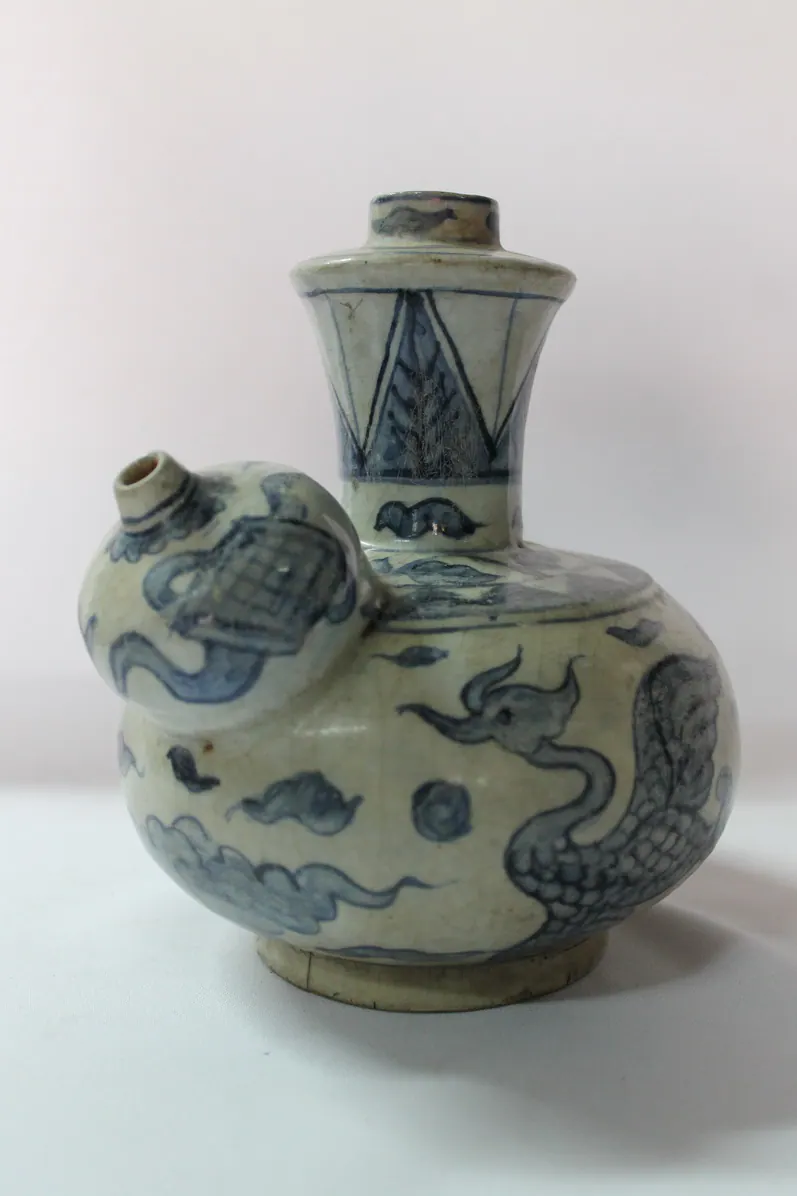
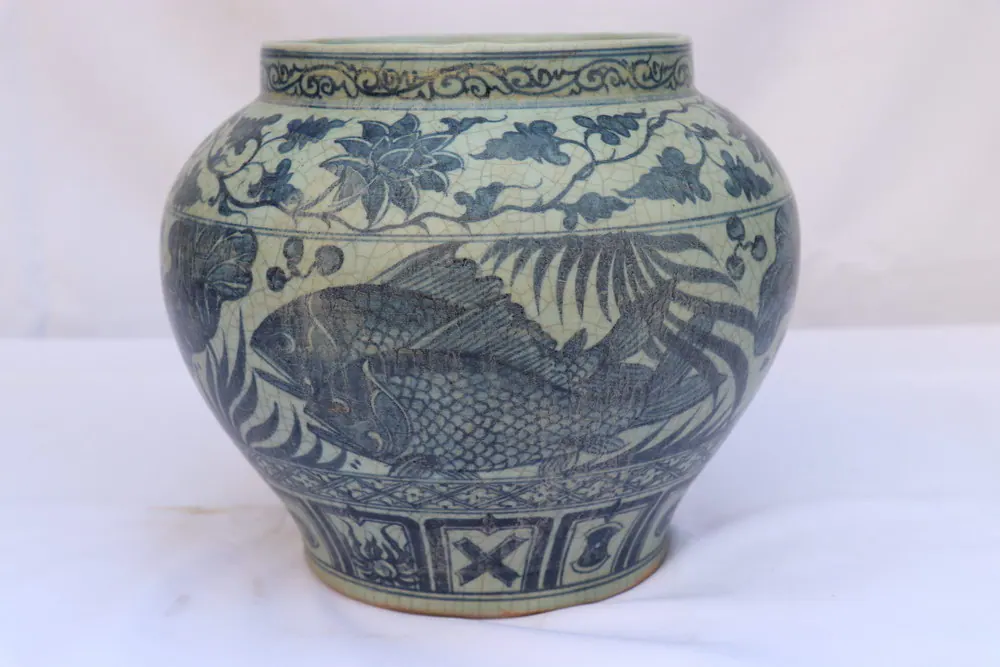
Most Chinese porcelain was made by private kilns, often called folk kilns, for everyday use at home and for export. Their quality ranges from coarse to very fine, and their painting is often freer and livelier than the court style. Private kiln wares are widely collected in their own right, and at their best they are much sought after. A Ming blue and white fish jar in our collection, which its listing attributes to a local maker, shows the kind of everyday decoration these kilns produced. Our guide to Ming folk kiln porcelain covers them in more detail.
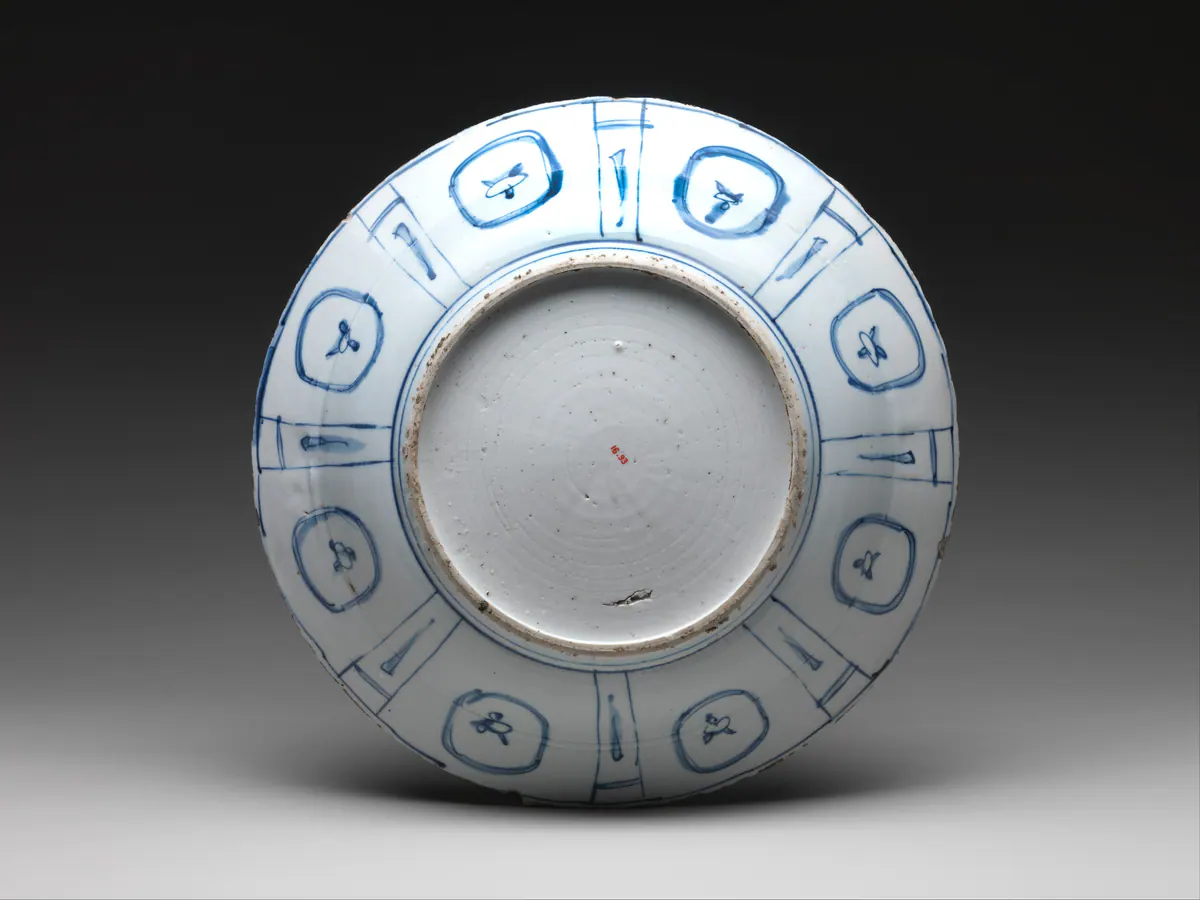
Export porcelain forms a third market with its own collectors. Kraak porcelain, made in the late Ming largely for export and carried to Europe in quantity by Portuguese and Dutch traders, is one example, and pieces with a documented export or shipwreck history have a following of their own.
Rarity, potting and painting
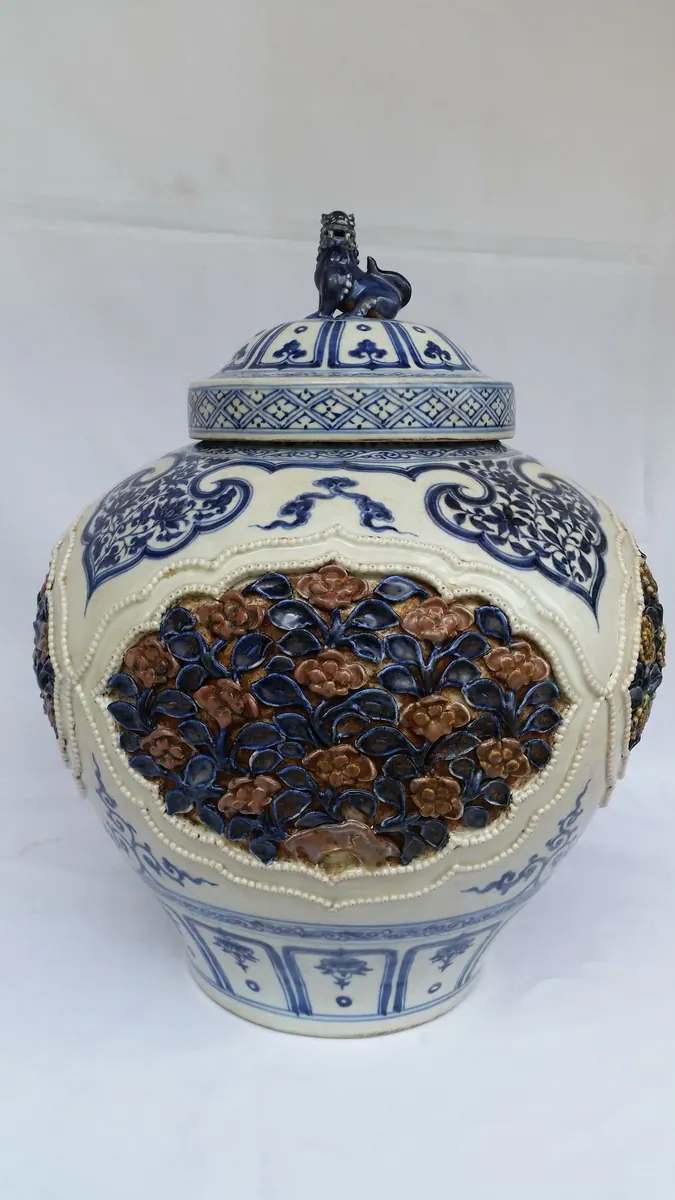
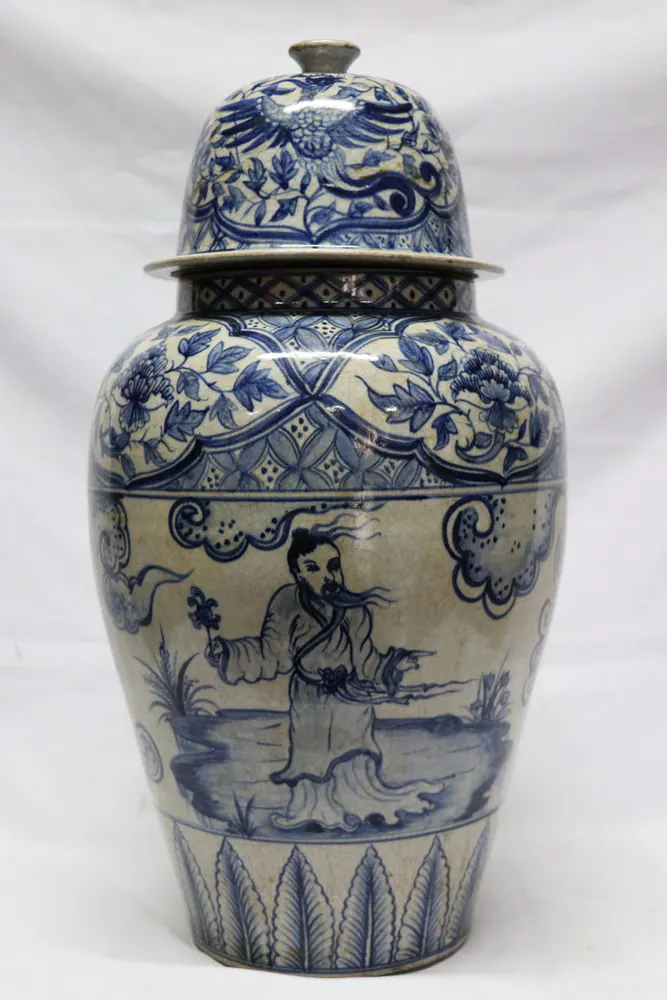
Rarity works at several levels. Some reigns were short, or produced little, so that genuine pieces from them are scarce. Some shapes were made in small numbers. Some techniques were difficult: underglaze copper red, for example, was notoriously hard to fire, and often came out greyish or blurred, so well-fired examples are uncommon. A covered jar in our collection, catalogued as late Yuan to early Ming, combines underglaze blue with florets in red. Our guide to underglaze red explains why the colour was so demanding.
Quality matters as much as rarity. Collectors look at how evenly and thinly a piece is potted, how cleanly the foot is finished, how smooth and even the glaze is, and how confidently the decoration is painted. In blue and white, the colour of the cobalt counts for a great deal: the best pieces have a deep, controlled blue, while weaker ones look pale, greyish or smudged. Two pieces of the same type and period can differ widely in value on quality alone.
Rarity is not enough by itself. An unusual piece of indifferent quality usually attracts less interest than a fine example of a well-known type, because collectors want the best of what they collect.
Condition and restoration
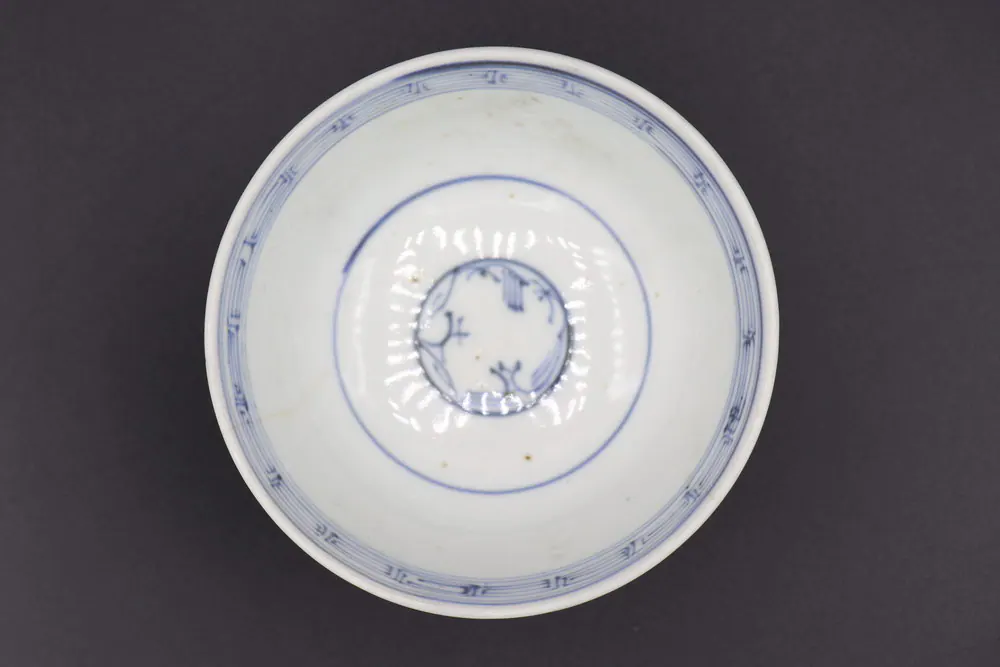
Condition has a direct effect on value. Chips, cracks, hairlines, rim frits, worn enamels and missing parts all reduce it, and so does restoration, particularly when it is extensive or hidden. A careful description states each flaw plainly. A Qing blue and white bowl in our collection, for instance, is listed with a crack visible from inside and out.
How much damage matters depends on the piece. Buyers accept more wear on an early or rare piece, where perfect examples barely exist, than on a common later type, where an undamaged example is easy to find. Restoration that is honestly disclosed is judged on its extent; restoration that is concealed and later discovered damages trust as well as value.
Not every flaw is damage. Glaze contractions, iron spots and small firing cracks happened in the kiln and are part of how a piece was made. On some early wares they are expected. Our guides to condition and restoration and to kiln firing faults explain how to tell them apart.
Size, pairs and completeness
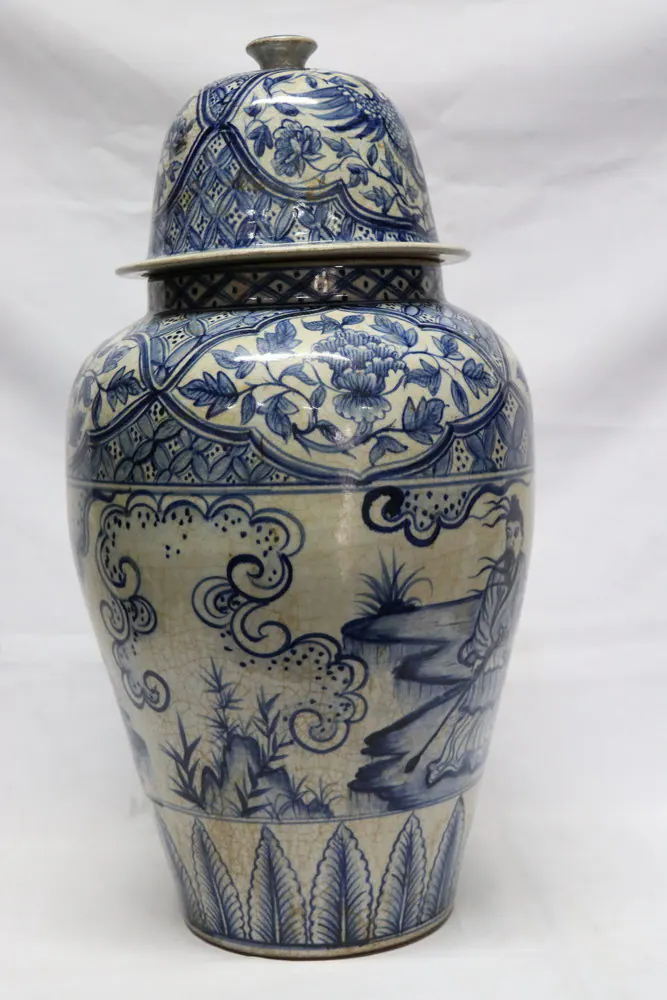
Large pieces were harder to throw and more likely to fail in the kiln, and fewer survive intact, so size can add considerably to value where quality is maintained. A large piece of poor quality is still a poor piece, however.
A pair is usually worth more than two single pieces, because pairs were often split up and few survive together. A pair should match in size, painting and condition; two similar pieces assembled later are not a true pair.
Completeness matters too. Covers were easily lost or broken, so a jar that keeps its original cover is worth more than one without, and a later replacement cover adds little. Look for a cover that matches the jar in its clay, glaze, painting and wear, and that sits naturally on the rim.
Form plays a part as well. Some shapes were made in small numbers, and some survive rarely because they were fragile: vessels with thin spouts, handles or necks were easily damaged in use. A complete example of a vulnerable form is harder to find than a sturdy bowl of the same date.
Provenance and publication
Provenance is the documented history of a piece: who owned it, where it was sold and where it was shown. A piece that can be traced to a well-known old collection, or that was exhibited or illustrated in a published catalogue, is easier to trust, and buyers pay for that confidence. Old collection labels, dealers' invoices, auction catalogues and early photographs are all useful evidence.
Provenance also matters for legal reasons. Evidence that a piece left China long ago supports its lawful sale today, and many buyers now look for it. A long documented history also means that a piece has been handled, catalogued and examined by others over the years, which gives the next buyer more to go on.
Like the pieces themselves, provenance can be invented. Labels are copied and stories grow in the telling. Documents that can be checked against a published catalogue or an archive count for far more than an undated note or a family recollection, however sincere.
Market fashion and where prices are set
Antique Chinese porcelain prices are set by what buyers will pay, and taste changes. Public auctions in Hong Kong, mainland China, London, New York and Paris give the most visible record of that market, while dealers' sales and private sales, which are rarely published, make up much of the rest.
For the past two decades, collectors from mainland China and elsewhere in Asia have been the strongest force at the top of the market, with most demand for fine Ming and Qing porcelain made for the court. Other areas, such as export porcelain, move at their own pace, and fashions within them rise and fall. A type that was overlooked a generation ago may be keenly collected now, and the reverse is also true.
A single auction result is a single event. It reflects the bidders present on that day, the quality of the catalogue and the attention the sale received. Read one result as a guide, not as a fixed value.
Anyone searching for antique Chinese porcelain prices will mostly find auction results, because those are the prices that get published. Dealers' prices are not directly comparable. They cover research, a written description and the dealer's standing behind the piece, and until a sale is agreed they are asking prices, not results.
How to research comparable pieces yourself
Owners often want to know how much a Chinese vase is worth. We do not offer a valuation service, but the research an expert would do can largely be done at home.
- Describe the piece precisely: shape, size, decoration, colours, any mark, and every flaw.
- Find comparable pieces in museum collections. The British Museum, the Victoria and Albert Museum and the Palace Museum in Beijing publish much of their Chinese porcelain online, with dates and descriptions.
- Look up past sales of the same type in the online archives of the major auction houses. Compare like with like: the same type, a similar size, a similar mark and similar condition.
- Check how each result was catalogued. A lot described as having a reign mark without being attributed to that reign was not sold as a period piece.
- Note the date of each sale, and whether the price shown includes the buyer's premium.
For a formal valuation, for insurance or probate, consult an independent qualified valuer or the specialist department of a major auction house. If you are buying rather than selling, our guide to buying antique Chinese porcelain covers what to ask a seller, and our collection shows the kinds of pieces we offer.