Guides and articles
Guides to Antique Chinese Porcelain
How to look at a piece, read its marks and place it in time, written for collectors and buyers. Start with the collector's guide, or choose a subject below.
Identify and Date
How to Identify Antique Chinese Porcelain: Age Signs and DatingHow to identify antique Chinese porcelain step by step: shape, base, glaze, colour, painting, marks and wear, and what each sign of age can tell you.
Reading the Base: Foot Rings, Clay and Glaze on Chinese PorcelainHow to read the foot ring and base of Chinese porcelain: exposed body and orange flush, kiln grit, tool marks, glaze inside the foot and what copies get wrong.
Detecting Fake Chinese PorcelainHow fakes and later copies of Chinese porcelain give themselves away: body and foot, glaze, cobalt and painting, marks, wear and artificial ageing.
Condition and Restoration on Chinese Porcelain: How to Detect Repairs Before You BuyCondition terms explained, kiln faults told from later damage, and how to find restoration on Chinese porcelain with a loupe, touch and an ultraviolet torch.
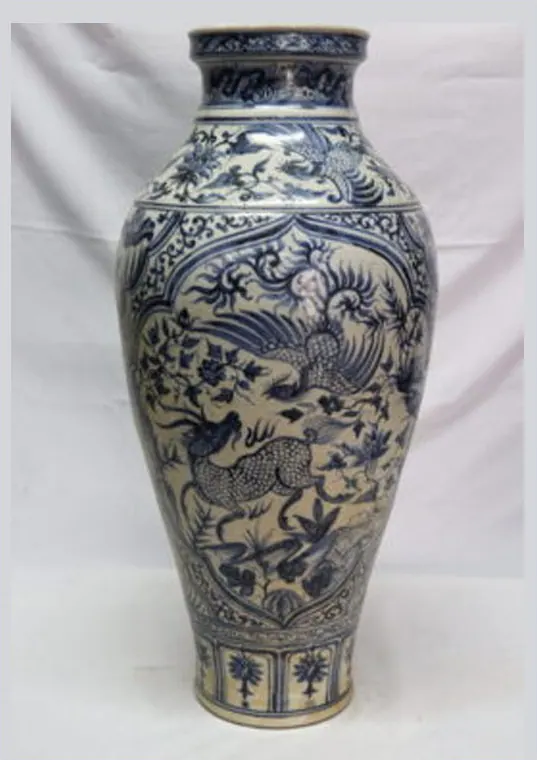
Is It a Real Ming Vase? How Collectors TellHow to tell if a Ming vase is real: the shape, the unglazed base, the blue, the mark, signs of age, and the copies you are most likely to meet.
Marks
Chinese Porcelain Marks: How to Read and Date ThemReading Chinese porcelain marks: six- and four-character reign marks, seal and regular script, hall and symbol marks, and why no mark alone dates a piece.
Ming Dynasty Reign Marks: A Chart from Hongwu to ChongzhenA chart of Ming reign marks with the characters and dates of each reign, which reigns left no marks, and how later copies of Ming marks differ.
Qing Dynasty Reign Marks: A Chart from Shunzhi to XuantongA chart of Qing reign marks from Shunzhi to Xuantong: the characters, dates and script of each mark, Kangxi symbol marks, and later copies of Qing marks.
Apocryphal Marks: Why Ming Reign Marks Appear on Later PorcelainWhat an apocryphal mark on Chinese porcelain means, why Xuande and Chenghua marks appear on later pieces, and how to date and value a piece that carries one.
Wares
Chinese Blue and White Porcelain: A Collector's History from the Yuan to the QingThe history of Chinese blue and white porcelain from the Yuan to the Qing: the cobalt, the kilns, the export trade and five questions for dating a piece.
Song Dynasty Porcelain and Ceramics: A Collector's Guide to the Classic WaresA guide to Song dynasty porcelain and ceramics: the northern and southern kilns, the five great wares, celadon, qingbai, tea wares and how pieces are dated.
Ming Dynasty Porcelain: A Collector's Guide by ReignMing dynasty porcelain reign by reign, from Hongwu to Chongzhen: the main wares, the colour of the blue, reign marks and how collectors date a piece.
Qing Dynasty Porcelain: A Collector's Guide from Kangxi to GuangxuA reign-by-reign guide to Qing dynasty porcelain: Kangxi blue and white, Yongzheng famille rose, Qianlong virtuosity, late Qing revivals and export wares.
Collecting
Buying Antique Chinese Porcelain: A Collector's GuideHow to buy antique Chinese porcelain with confidence: where genuine pieces come from, what a good listing shows, and the questions to ask any seller.
What Makes Antique Chinese Porcelain Valuable?The factors behind Chinese porcelain value: period, kiln, quality, condition, completeness, provenance and market, and how to research comparable pieces.
Chinese Porcelain Shapes: A Guide to Vases, Jars and VesselsThe names and history of Chinese vase shapes and vessels, from meiping, gu and double gourd vases to guan jars, chargers, stem cups and ewers.
Chinese Porcelain Glossary: Terms Collectors UseA glossary of Chinese porcelain terms: bodies, glazes, decoration, shapes, marks, condition and kilns, from anhua and biscuit to minyao and guanyao.
Ming porcelain by period
Early Ming Porcelain (1368 to 1435): Hongwu, Yongle and XuandeEarly Ming porcelain from 1368 to 1435: Hongwu red and blue, Yongle white wares, Xuande blue and white and the first regular reign marks, with a short history.
Middle Ming Porcelain (1436–1505): The Interregnum to HongzhiMid-Ming porcelain from 1436 to 1505: the unmarked Interregnum wares, Chenghua blue and white and doucai, Hongzhi yellow, and what reaches the market.
Jiajing Porcelain and the Later Middle Ming, 1505–1590Ming porcelain from Zhengde to early Wanli: Islamic-inscribed Zhengde wares, Jiajing purplish blue and wucai, Longqing marks and the rise of export trade.
Late Ming Porcelain, 1590–1644: Kraak, Tianqi and ChongzhenLate Ming porcelain from late Wanli to the fall of Beijing: kraak export ware, Tianqi ko-sometsuke for Japan and Chongzhen Transitional blue and white.
The Southern Ming DynastyHow the Southern Ming courts of Hongguang, Longwu, Shaowu and Yongli fought the Qing after 1644, and what Jingdezhen made in those years of war.
Chinese history
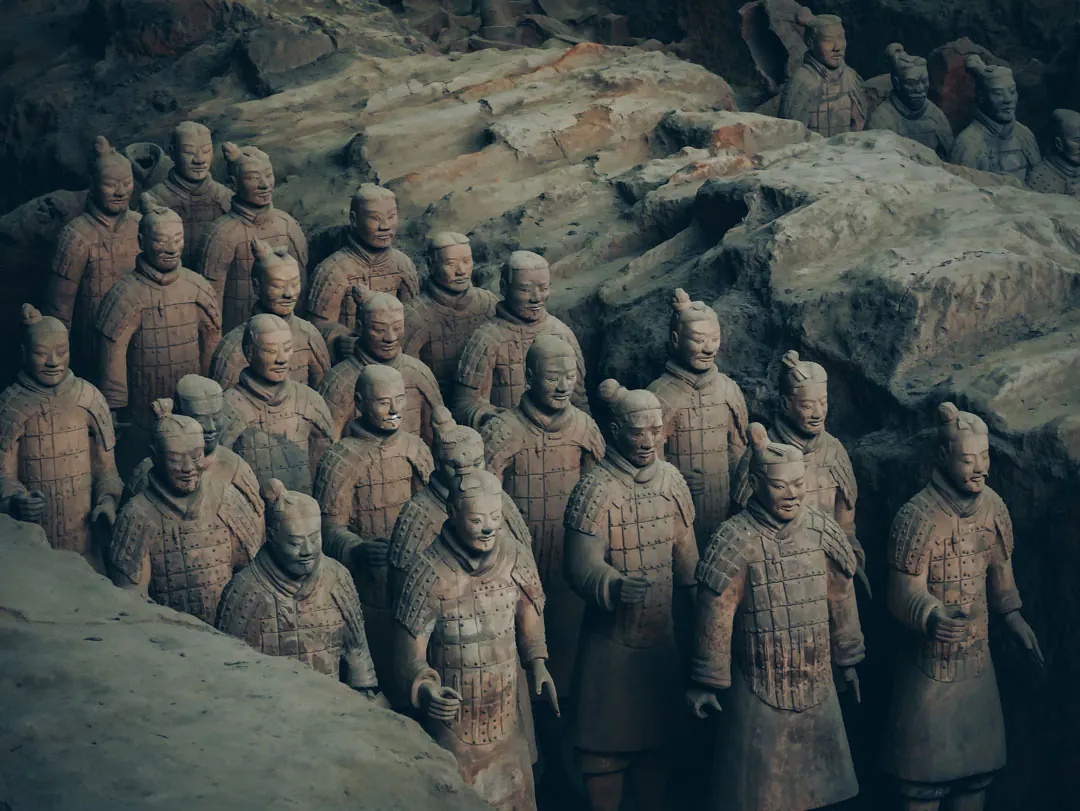
The Terracotta ArmyHow the Terracotta Army was found in 1974, what its pits hold, how Qin craftsmen made and painted the figures, and how earthenware differs from porcelain.
Tang Dynasty Art and Inventionssancai, Xing white ware, Yue celadon and Changsha painted ware, Tang painting and silver, and early woodblock printing.
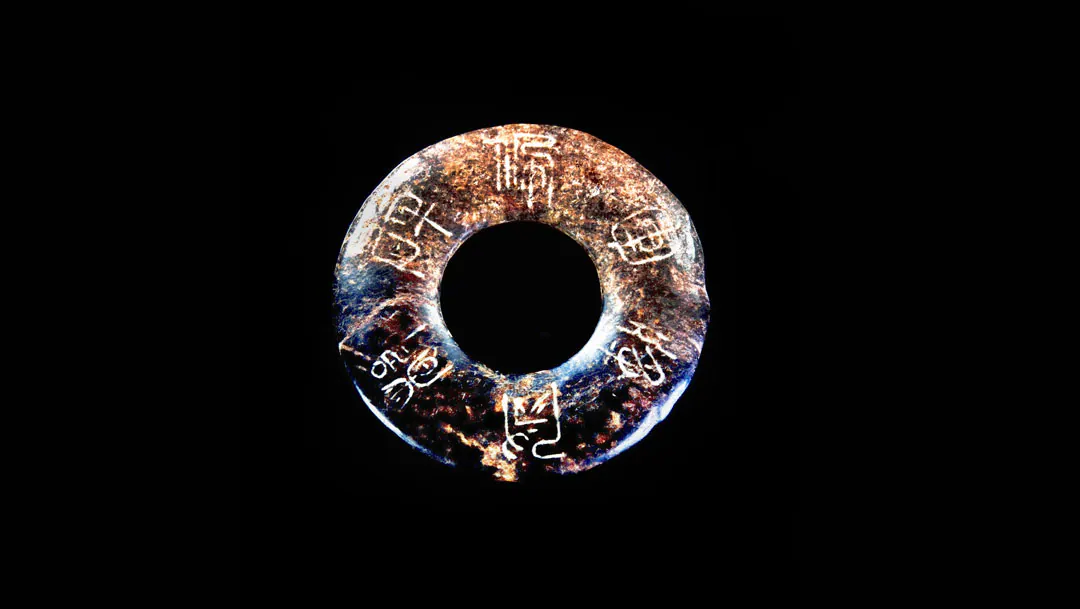
Antique Chinese JadeChinese jade from Neolithic ritual discs to Qianlong carving: nephrite and jadeite, how jade was worked, telling old from new, and its link to celadon.
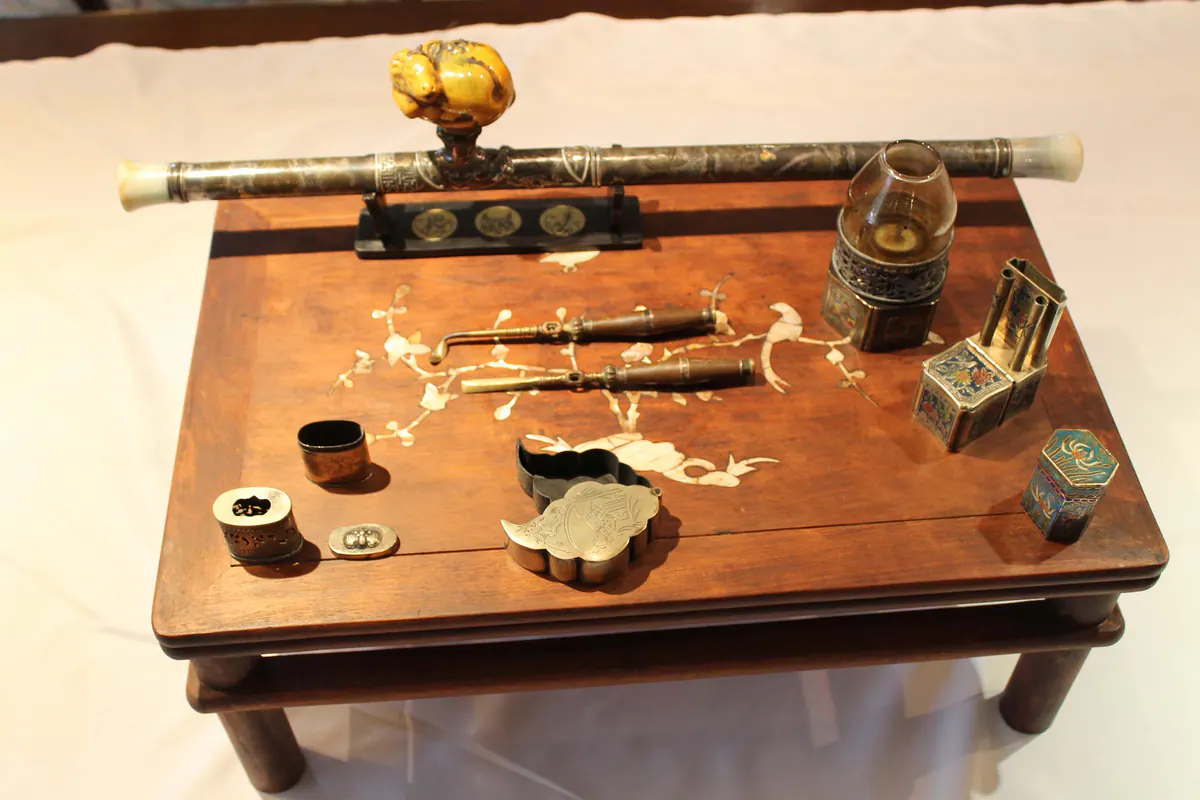
The Opium WarsThe two Opium Wars between Qing China, Britain and France: the opium trade, the Treaties of Nanking and Tientsin, and what the wars meant for the late Qing.