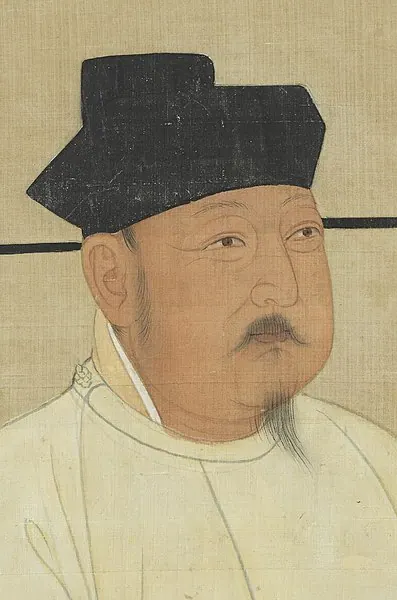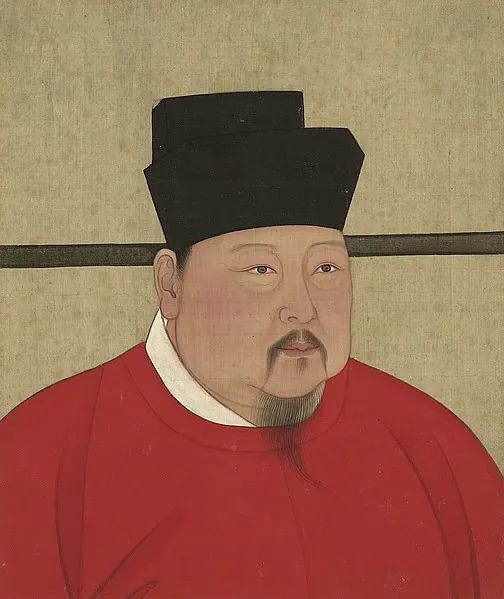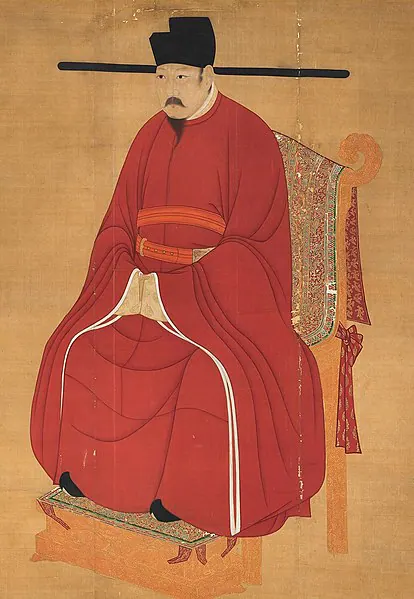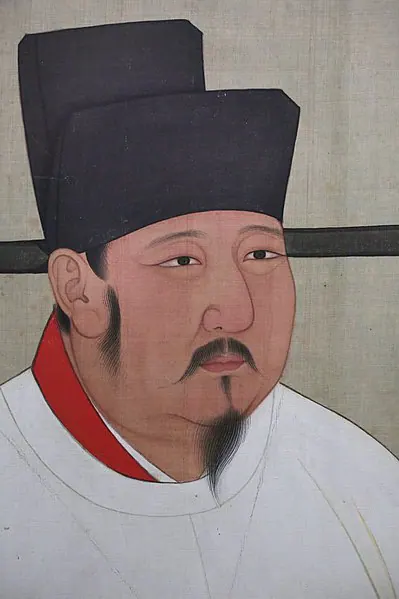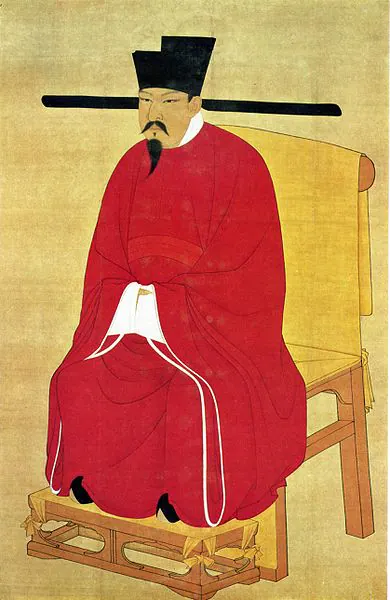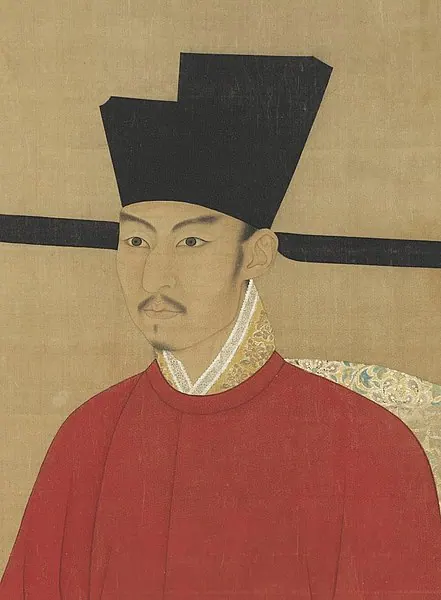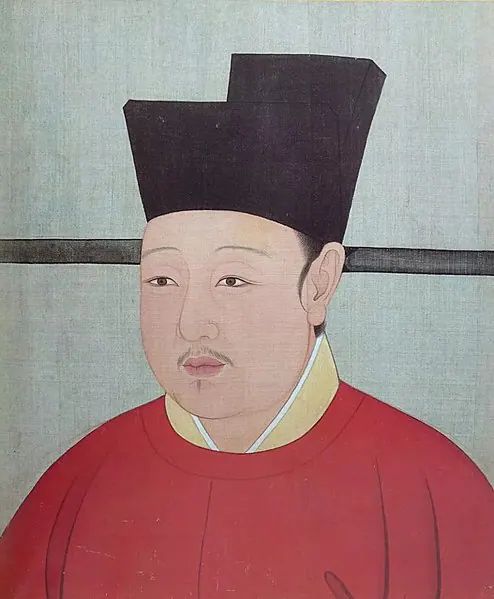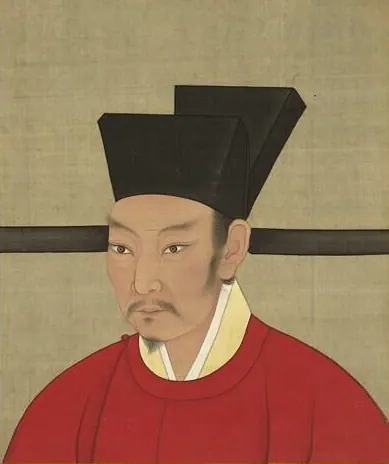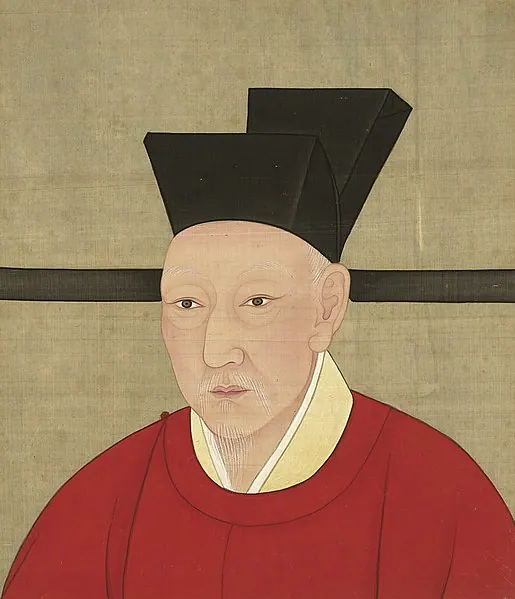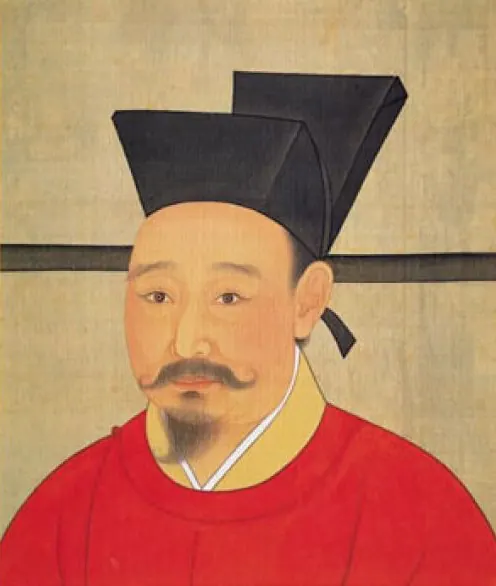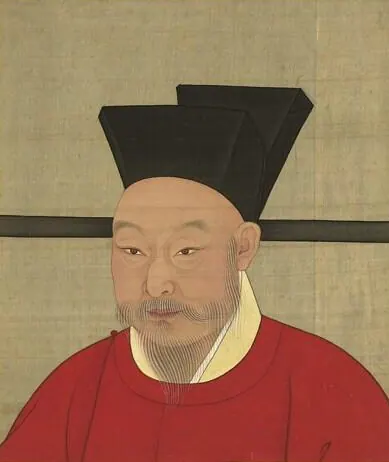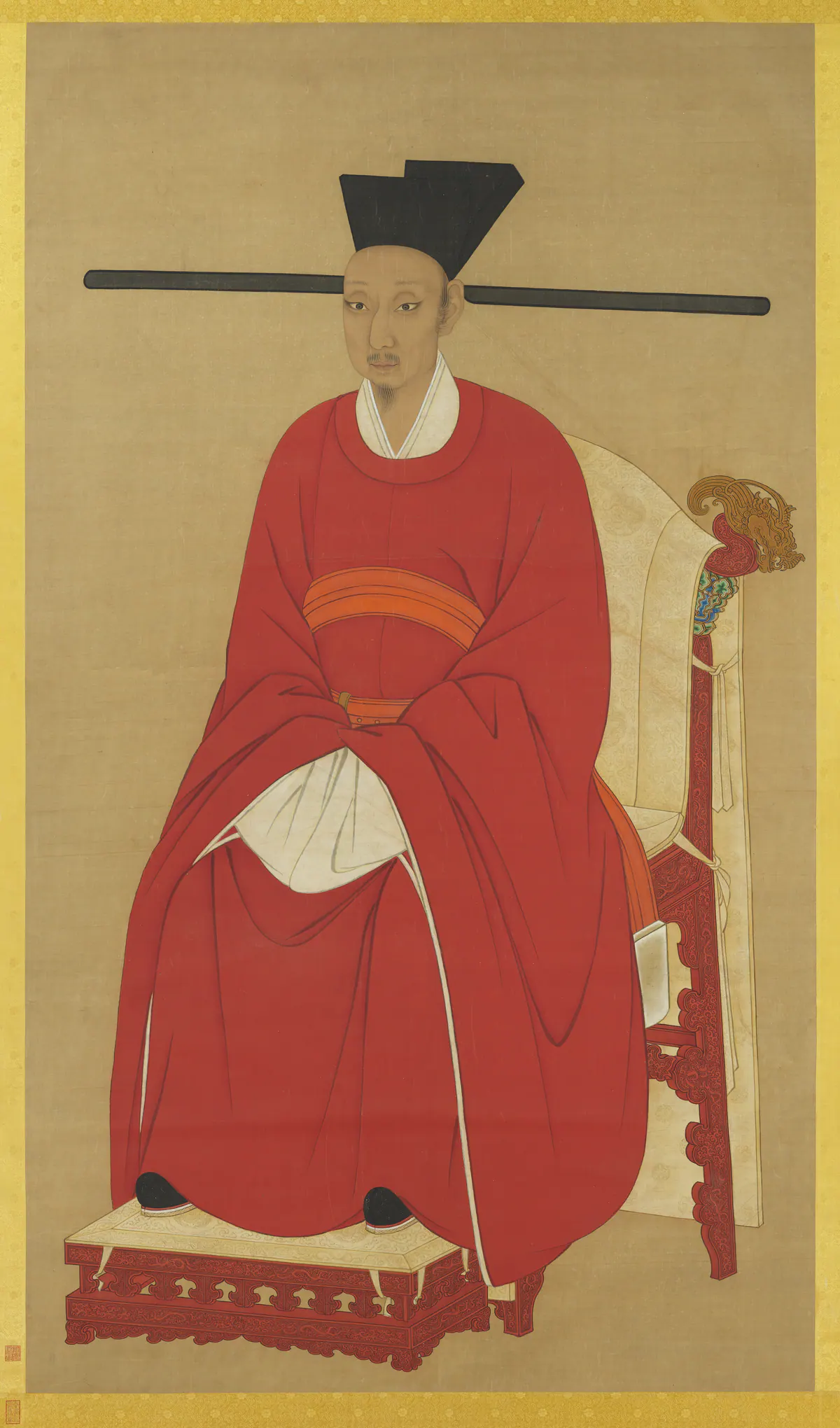
Song Dynasty Emperors

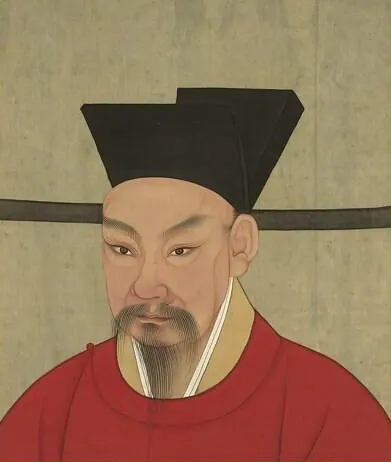
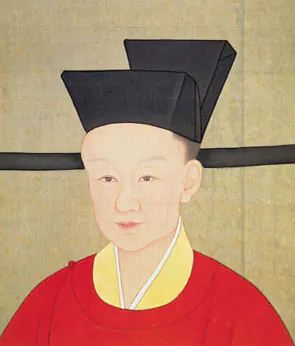
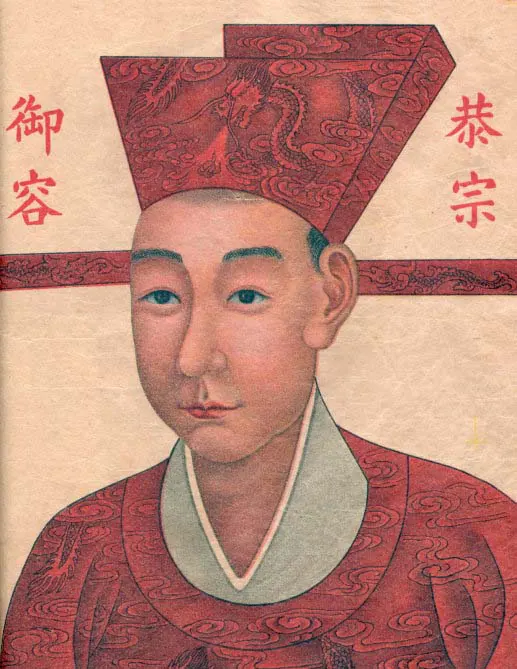
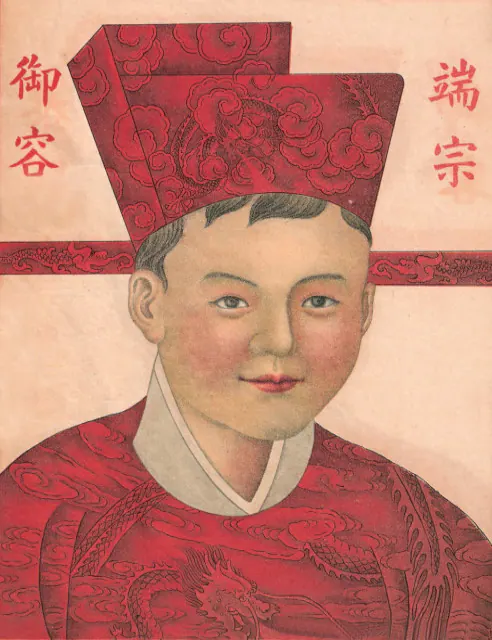
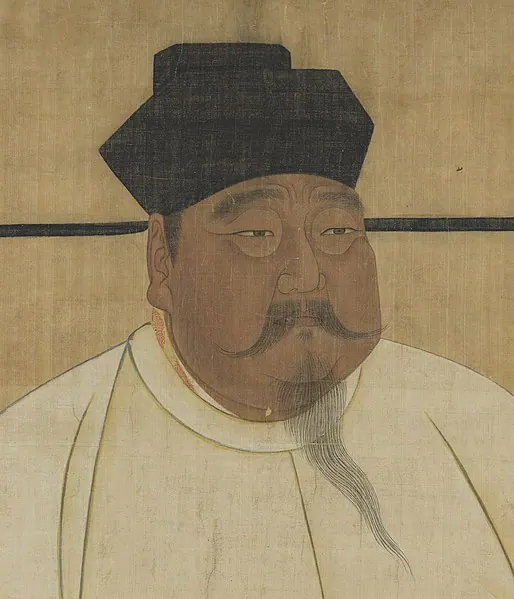
The Song dynasty ruled China from 960 to 1279. It was founded by the general Zhao Kuangyin, who seized the throne of the Later Zhou and reigned as Emperor Taizu, bringing the era of the Five Dynasties to an end. Its eighteen emperors are divided between the Northern Song and the Southern Song.

Dates
960 to 1279
Rulers
18

Northern Song (960–1127)

Zhao Kuangyin was proclaimed emperor by his own troops in 960, reigning as Emperor Taizu. He and his brother and successor, Taizong, reunited most of China under the new dynasty, with its capital at Kaifeng.

Wary of the generals who had toppled so many dynasties before him, Taizu placed the army firmly under civilian control. The policy gave the Song a long period of stable civil government, but it is often blamed for the dynasty's military weakness. In 1127 the Jurchen Jin captured Kaifeng, along with the retired emperor Huizong and his son Qinzong, and the Northern Song came to an end.
Southern Song (1127–1279)

Huizong's son Zhao Gou escaped the fall of Kaifeng and re-established the dynasty in the south as Emperor Gaozong, eventually settling the court at Hangzhou, then called Lin'an. To secure peace, the Southern Song agreed to pay the Jin a large annual tribute of silver and silk.

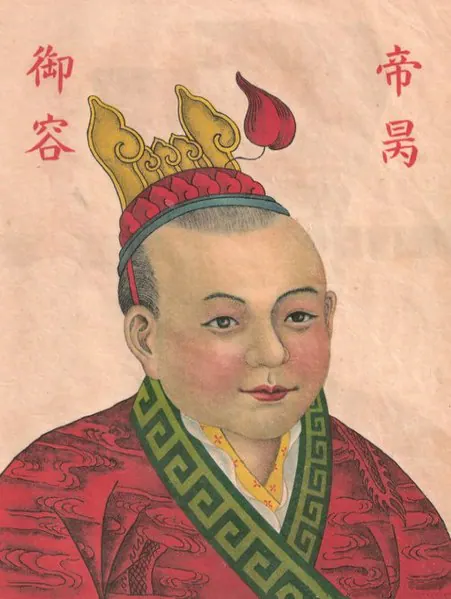
In the thirteenth century the Song allied with the Mongols against the Jin, and in 1234 the Jin state was destroyed. The alliance soon turned against the Song: the Mongols invaded, and the armies of Kublai Khan, who had proclaimed the Yuan dynasty in 1271, captured Hangzhou in 1276. The last Song emperor, the child Emperor Bing, died at the naval Battle of Yamen in 1279.

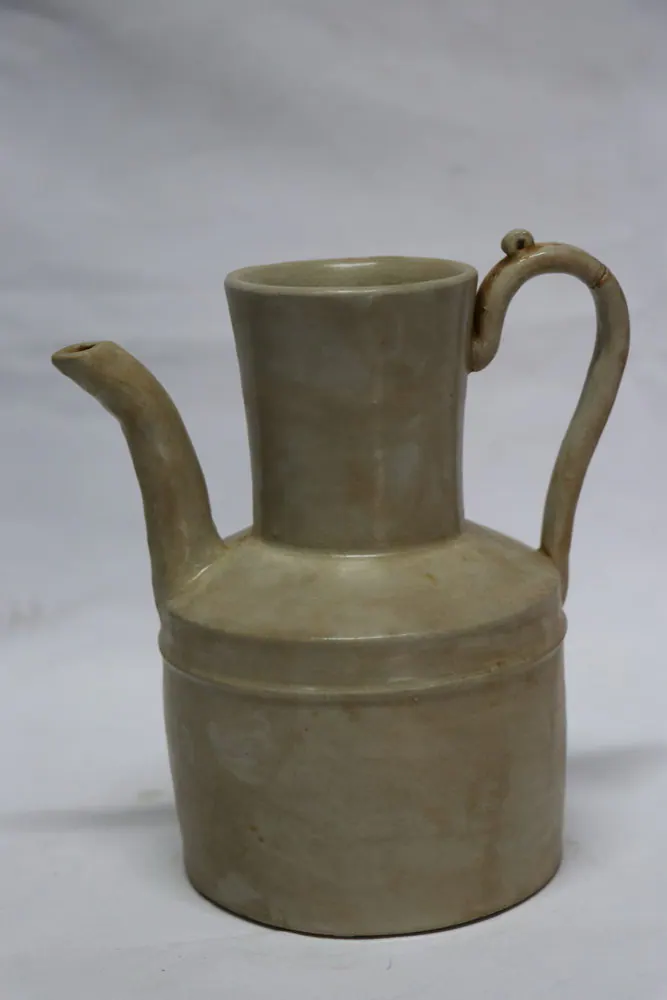
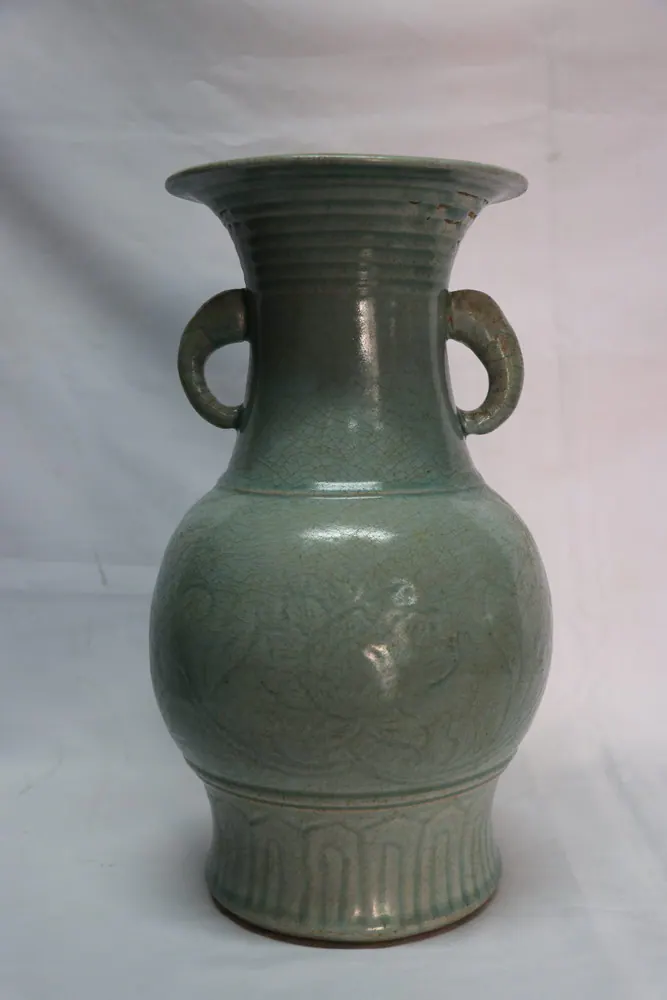
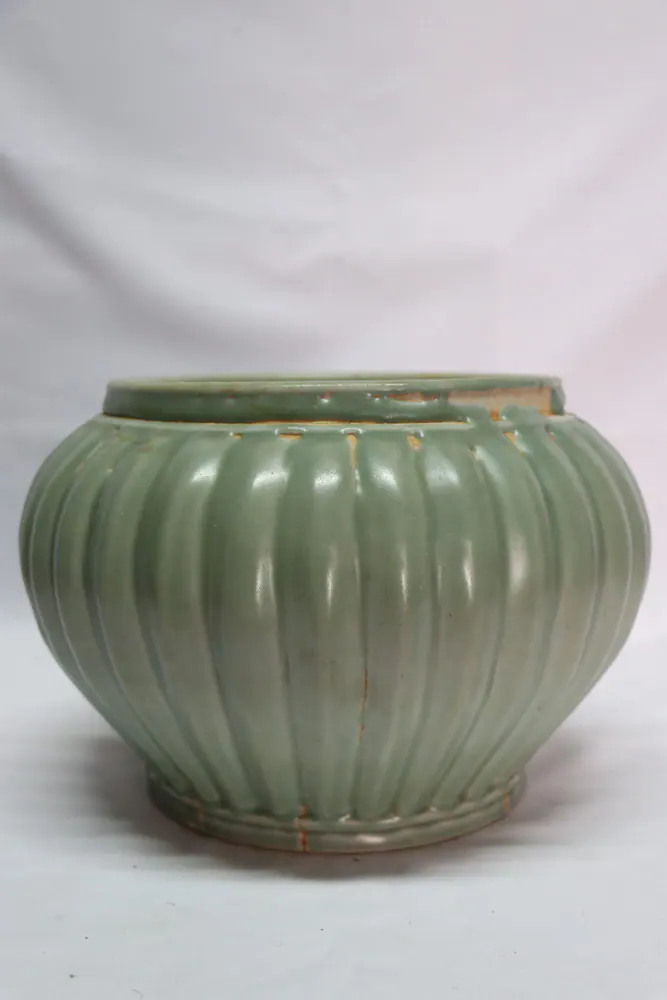
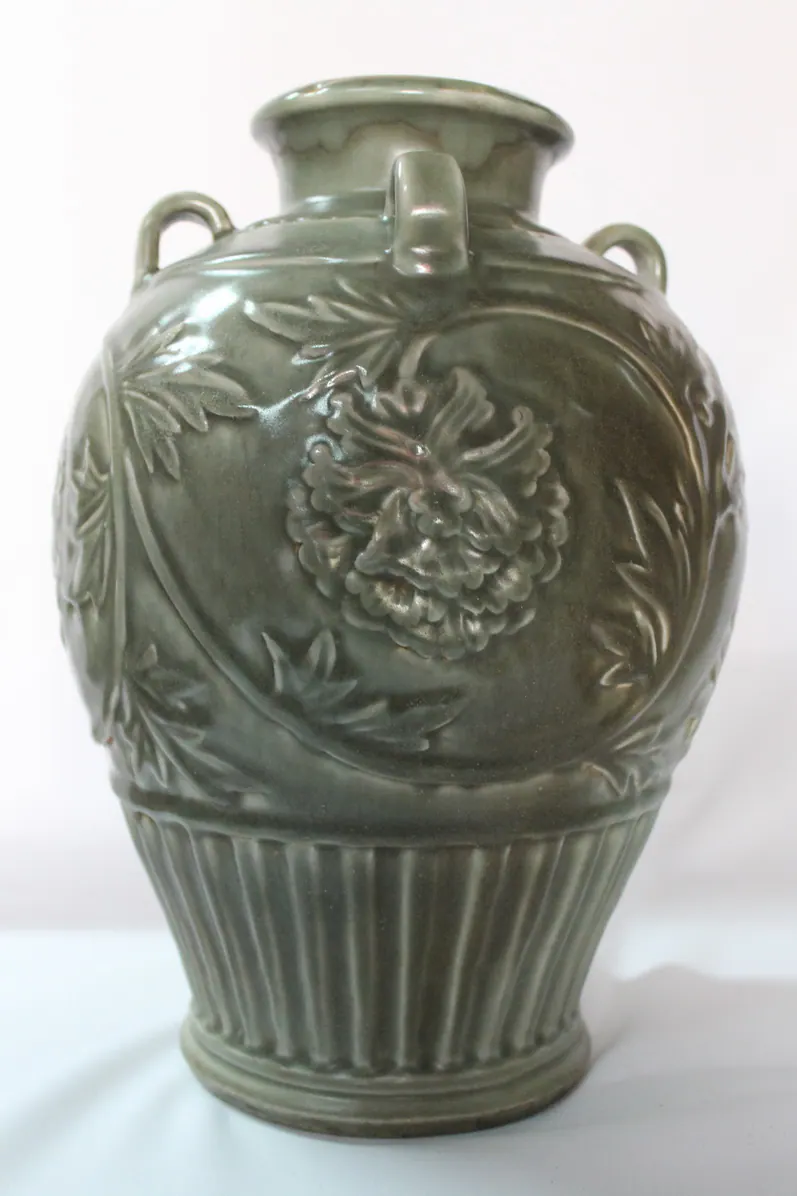
For collectors the Song is one of the great periods of Chinese ceramics, and the Song dynasty page describes its principal wares in more detail.

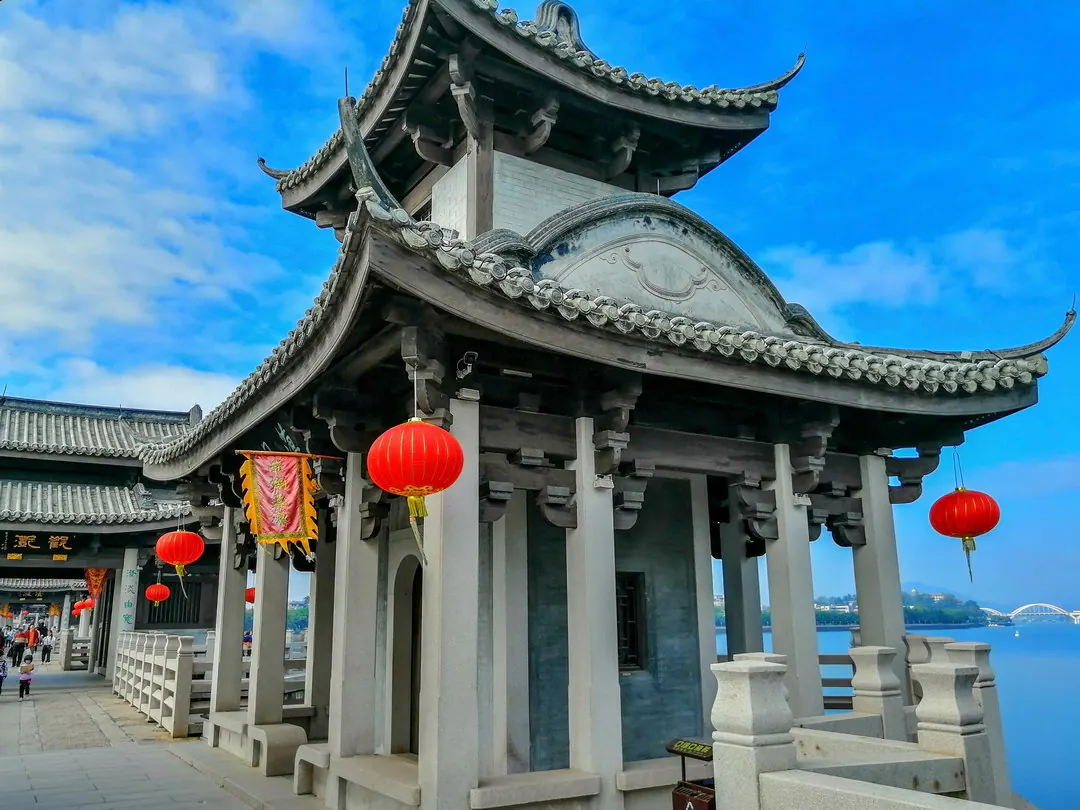
Stone bridge pavilion with upswept eaves hung with red lanterns, beside a wide river

Customs and People of the Song Dynasty

The Song period saw the spread of foot-binding among women, a custom that would persist for centuries. It is also the age of Yue Fei, the general celebrated for his campaigns against the Jin.

At the height of his success, Yue Fei was recalled while the court, led by the chancellor Qin Hui, pursued peace with the Jin. He was imprisoned on charges now regarded as false and put to death in 1142, and he has been honoured ever since as a model of loyalty.

Timeline of reigns, 960–1279

  1. Emperor Taizu960–976
  2. Emperor Taizong of Song976–997
  3. Emperor Zhenzong997–1022
  4. Emperor Renzong1022–1063
  5. Emperor Yingzong1063–1067
  6. Emperor Shenzong1067–1085
  7. Emperor Zhezong1085–1100
  8. Huizong Emperor1100–1126
  9. Emperor Qinzong1126–1127
  10. Emperor Gaozong1127–1162
  11. Emperor Xiaozong1162–1189
  12. Emperor Guangzong1189–1194
  13. Emperor Ningzong1194–1224
  14. Emperor Lizong1224–1264
  15. Duzong Emperor1264–1274
  16. Emperor Gong1274–1276
  17. Emperor Duanzong1276–1278
  18. Emperor Bing1278–1279