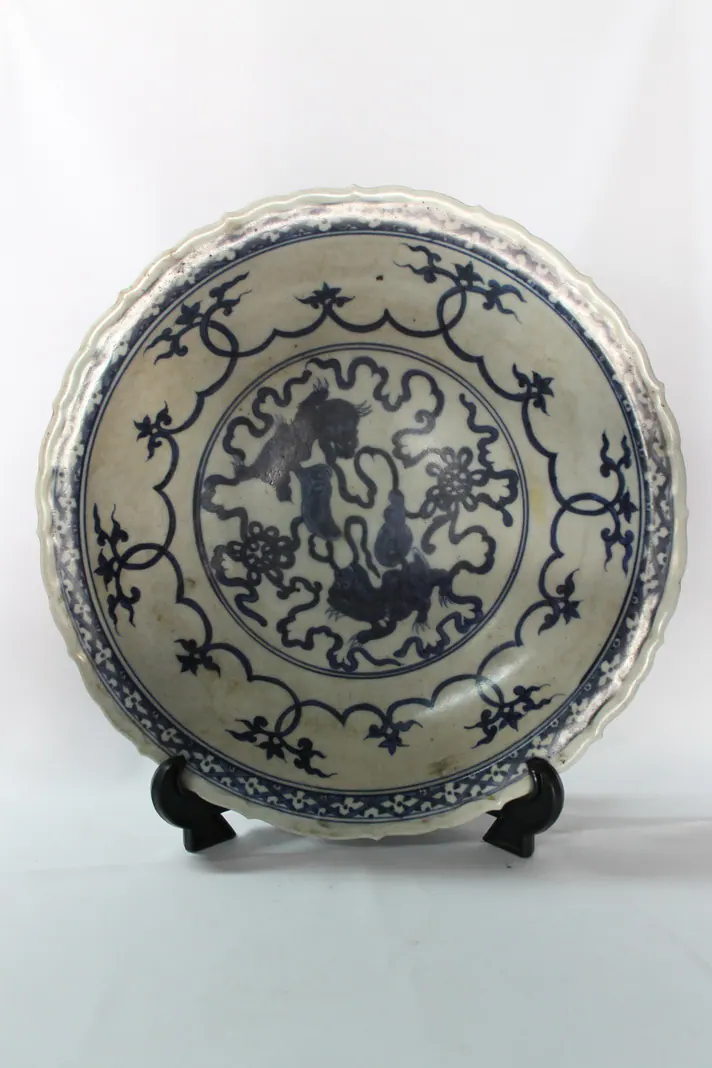
No contemporary portrait survives

Southern Ming1648–1649

Prince of Huai

東武

Reign facts
Reigned
1648–1649 (1 year)
Lived
?–1649
Personal name
Zhu Changqing 朱常清 (uncertain)
Era name
Dongwu 東武 1648–1649 (uncertain)

Zhu Changqing, Prince of Huai, was one of the short-lived claimants who led Ming loyalist resistance after the fall of Beijing in 1644. In 1648 he was proclaimed regent with the era name Dongwu, and for this reason he is sometimes called the Dongwu Emperor. His claim lasted only about a year and ended with his death in 1649.

Few records of him survive, and even the details that are recorded should be read with some caution.

The Fall of Beijing and the Southern Ming

In 1644 the rebel leader Li Zicheng, who had proclaimed his own Shun dynasty, captured Beijing, and the Chongzhen Emperor hanged himself on Coal Hill, just north of the Forbidden City. Weeks later the Ming general Wu Sangui joined forces with the Manchu prince regent Dorgon, and defeated Li at Shanhai Pass. The Qing entered Beijing soon afterwards.

Members of the Ming imperial family fought on in the south, in the regimes known as the Southern Ming. The Hongguang Emperor in Nanjing, the Longwu Emperor in Fuzhou and the Shaowu Emperor in Guangzhou fell to the Qing in turn between 1645 and early 1647. From late 1646 the main loyalist court was that of the Yongli Emperor, whom the Qing armies drove steadily westward. On the south-east coast, loyalist commanders largely acted on their own account, and it was there that the Prince of Huai emerged.

The Dongwu Regency

According to the surviving accounts, Zhu Changqing was proclaimed regent in 1648 on Nan'ao Island, off the coast of Guangdong, taking the era name Dongwu, meaning "Martial East". The accounts connect his regency with Zheng Chenggong, better known as Koxinga, the loyalist commander who controlled much of the south-east coast and resisted the Qing for many years.

His formal title was jianguo, "supervisor of the state". Traditionally it was held by a prince or heir who ran the government while the ruler was absent. During the Southern Ming several princes took it to lead loyalist governments without formally claiming the throne.

His position depended on the commanders around him. In 1649, the same accounts say, the Yongli court sent an envoy to Nan'ao to ask him to give up his claim, and Koxinga, persuaded that the resistance needed a single sovereign, recognised the Yongli Emperor.

Death and Aftermath

The Prince of Huai died in 1649, and the Dongwu regency ended with him. The Yongli Emperor, who had reigned since 1646, remained the last recognised Ming emperor until his death in 1662.

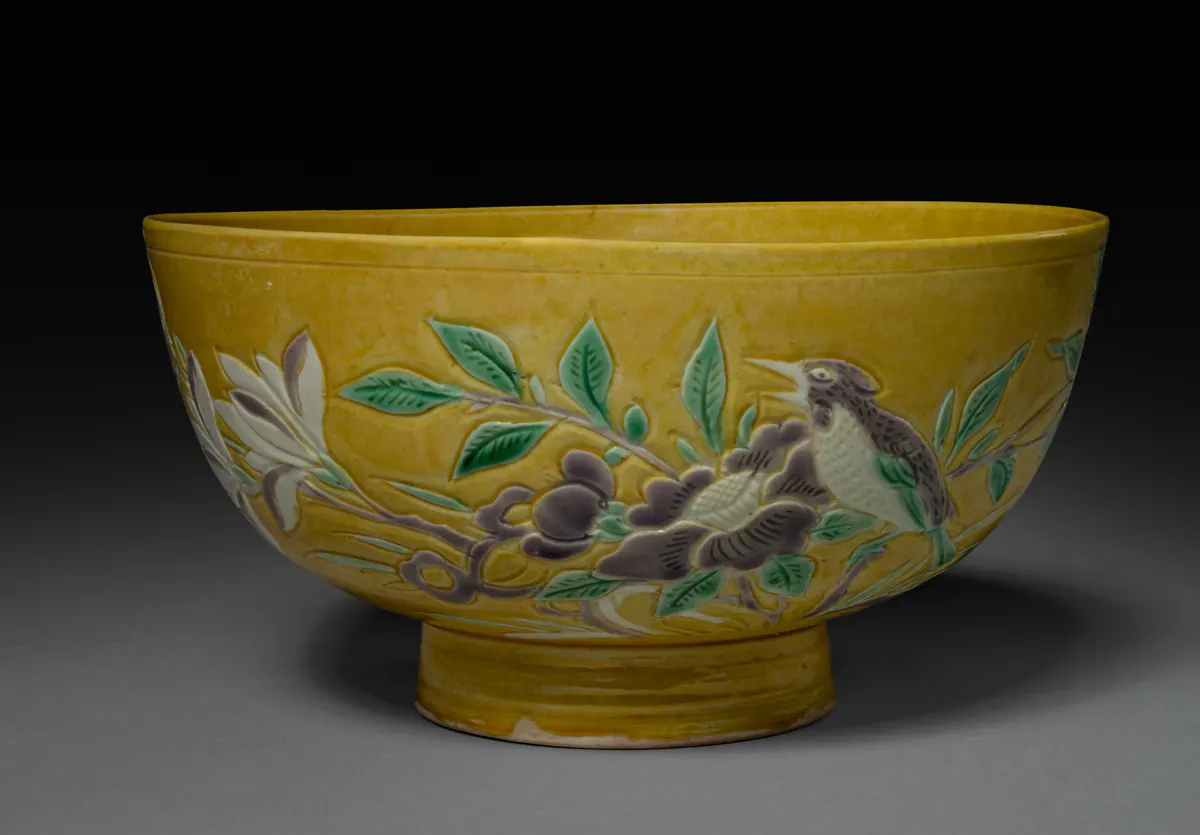
A deep bowl on a tall foot with a mustard-yellow ground, incised and filled in green, aubergine and white with a bird perched among flowering branches and leaves.
Museum exampleA bowl with incised birds and flowering branches in green, aubergine and white on a yellow ground, dated by the museum to the Shunzhi period (1644–61), which spans his regency.Cleveland Museum of Art, 1964.227. Public domain (CC0).

Koxinga took Taiwan from the Dutch in 1662 and died later that year. His family went on using Yongli's era name long after that emperor's death, and the Ming prince Zhu Shugui, Prince of Ningjing, lived on Taiwan under their protection. He took his own life in 1683, when the Qing conquered the island, and with him the last trace of Ming rule ended.

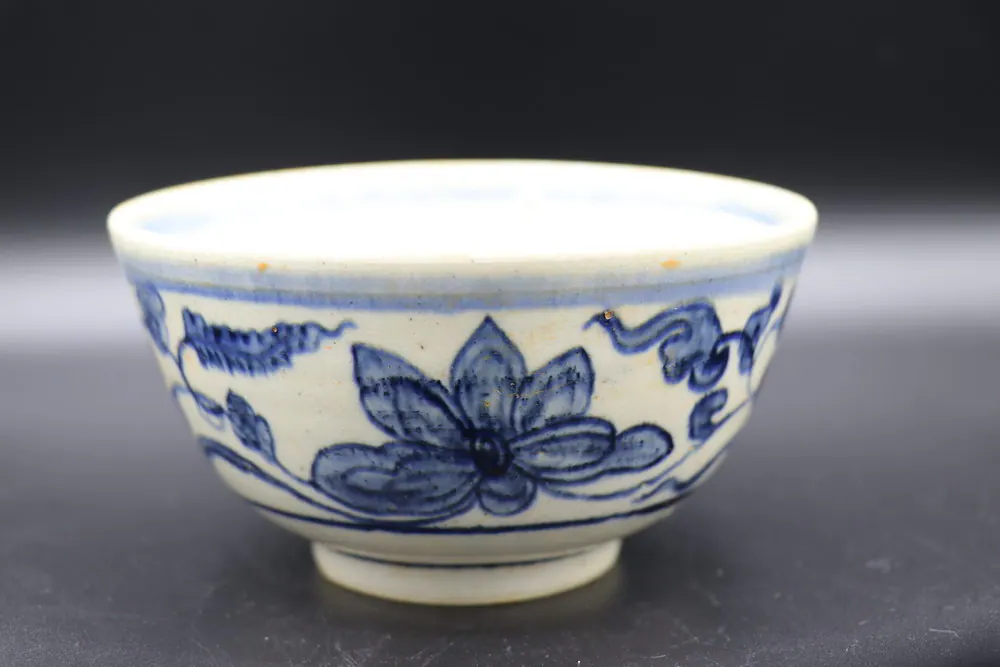
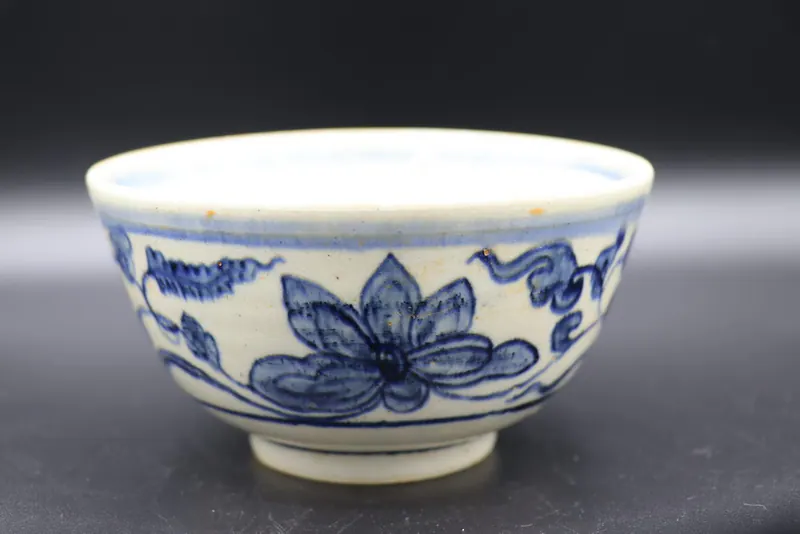
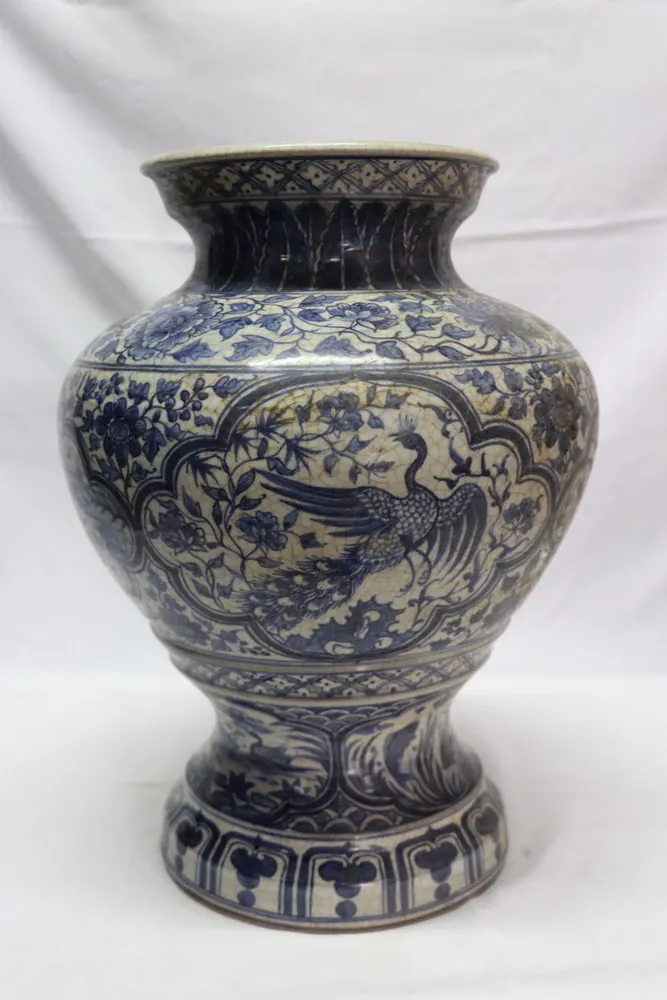
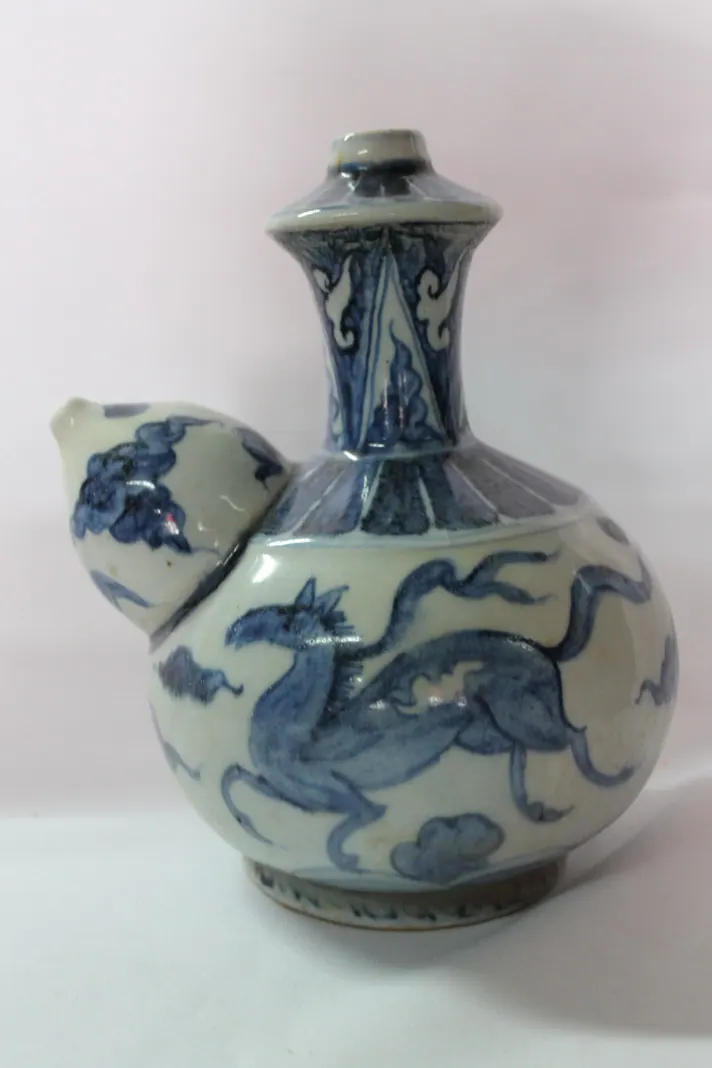
For collectors, these years fall within the Transitional period between the late Ming and the early Qing. Imperial orders to the Jingdezhen kilns had largely lapsed, and the potters worked for private buyers at home and abroad. Nothing in porcelain can be tied to a regency as brief and remote as Dongwu.

From the Ming Dynasty

View all Ming Dynasty PorcelainAsk about a piece

Be the first to see new pieces

Join our collectors' list for new arrivals, rare finds and private offers.