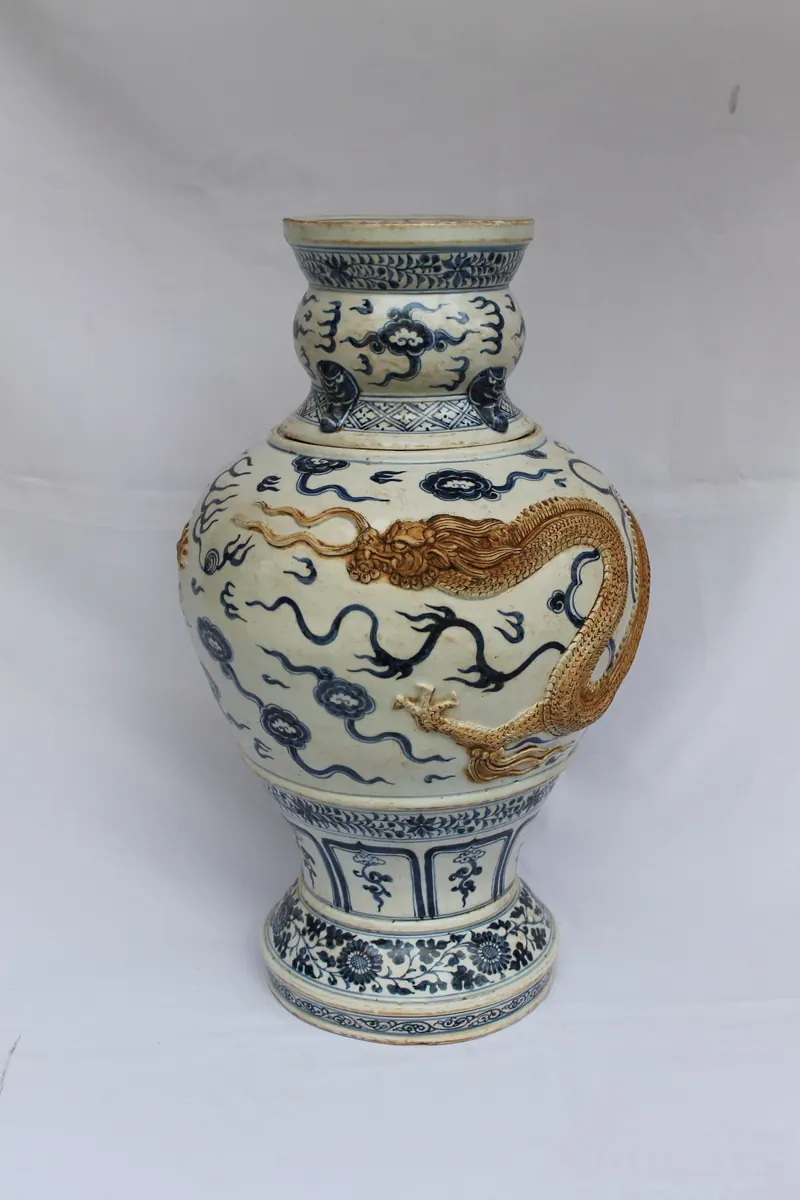
No contemporary portrait survives

Southern Ming1646–1647

Prince of Tang (Zhu Yuyue)

紹武

Reign facts
Reigned
1646–1647 (1 year)
Lived
?–1647
Personal name
Zhu Yuyue
Era name
Shaowu 紹武 1646–1647

Zhu Yuyue (died 1647) was a Southern Ming claimant who reigned as the Shaowu Emperor at Guangzhou from late 1646 into early 1647. He had inherited the title Prince of Tang from his elder brother, the Longwu Emperor.

His reign lasted only about forty days before the Qing took the city, and much of it was spent at war with a rival Ming court.

The Prince of Tang

Zhu Yuyue was the younger brother of Zhu Yujian, the Longwu Emperor, and like him a descendant of the Ming founder, the Hongwu Emperor. The family held the princedom of Tang, with its fief in Nanyang prefecture in Henan province. When his brother was proclaimed emperor in 1645, Zhu Yuyue succeeded him as Prince of Tang.

In 1646 the Qing advanced on the loyalist regimes of the south. In Jiangxi they besieged Ganzhou, the last Ming stronghold in the province. In the summer they crossed the Qiantang River and scattered the regime of the Prince of Lu in Zhejiang, and a southern campaign under Prince Bolo then moved into Fujian against the Longwu court.

The Fall of Longwu and the Two Courts

The Longwu court left its base in Fujian, but Qing troops overtook it. The Longwu Emperor was captured at Tingzhou and killed in the autumn of 1646.

Zhu Yuyue reached Guangzhou, the capital of Guangdong province. There a group of senior officials proclaimed him emperor, and he took the era name Shaowu.

At almost the same moment the Prince of Gui, Zhu Youlang, a grandson of the Wanli Emperor, was proclaimed emperor at Zhaoqing, also in Guangdong, with the era name Yongli.

The Conflict between the Regimes of Emperors Shaowu and Yongli

By the last weeks of 1646 the Southern Ming in Guangdong was divided between two courts only a short distance apart. The Yongli court at Zhaoqing had the backing of the senior officials of Guangdong and Guangxi. The Shaowu court at Guangzhou was built around the Prince of Tang and the officials who had proclaimed him.

A Brief Reign

Each court claimed to be the legitimate successor of the Ming, and fighting broke out between them almost at once. Shaowu's forces won the first engagement against the Yongli troops, but the victory left the Guangzhou court overconfident and its defences neglected.

In January 1647 the Qing general Li Chengdong took Guangzhou by surprise. The Shaowu Emperor was captured and took his own life, about forty days after his enthronement.

Li Chengdong then turned against the Yongli court, which retreated west into Guangxi. Local resistance in the Pearl River Delta continued under the loyalists Chen Zizhuang, Chen Bangyan and Zhang Jiayu, but all three died when their risings were crushed in 1647, ending organised Ming resistance around Guangzhou for the time being.

Zhu Yuyue was buried with his officials, and their tomb stands today in Yuexiu Park, Guangzhou. The wider story of these years is told in our article on the Southern Ming dynasty.

Ceramics of the Reign

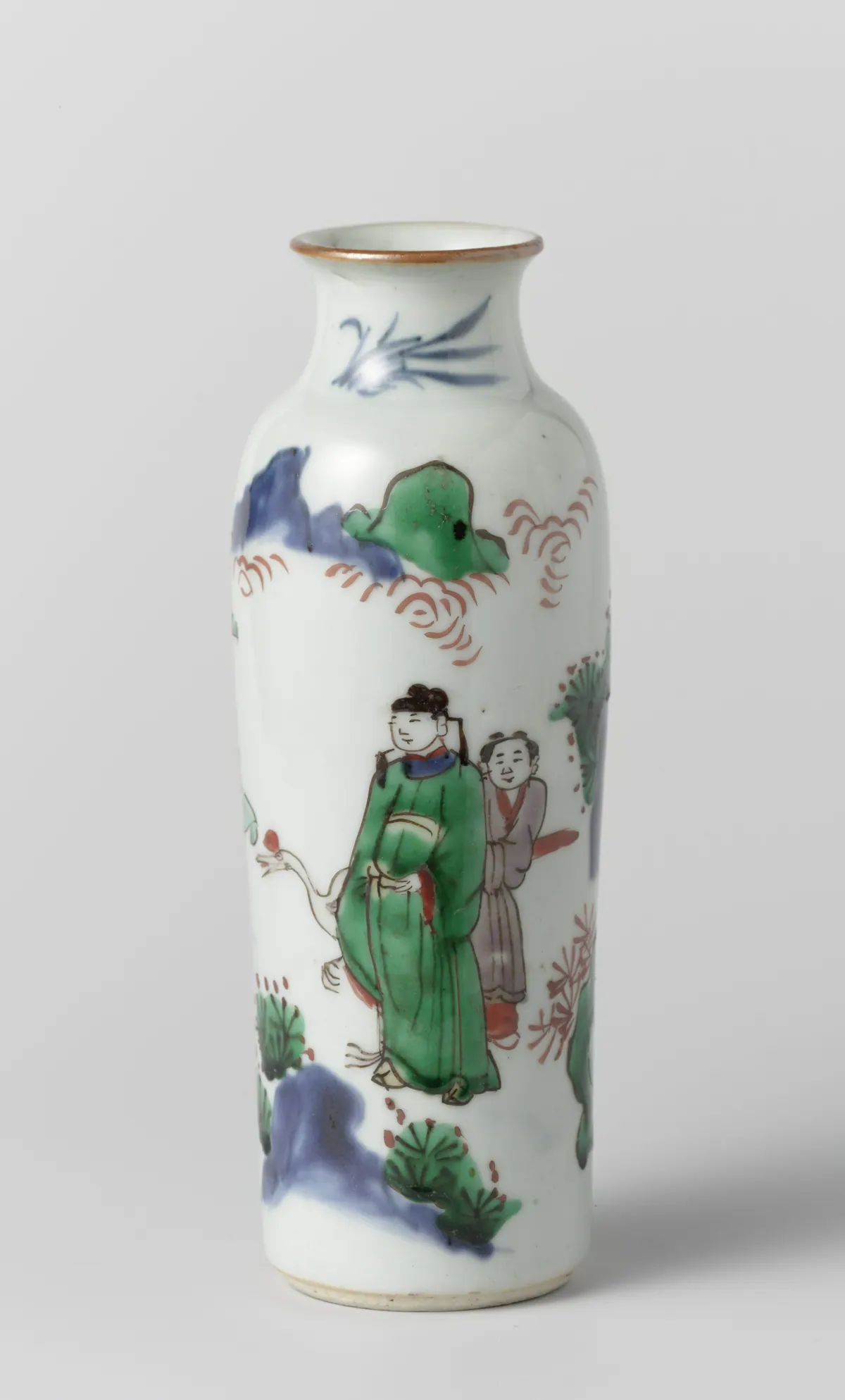
A reign of about forty days has no ceramics of its own, and nothing can be attributed to the Shaowu court at Guangzhou. The porcelain of these years is the late Transitional ware of Jingdezhen, made for private buyers at home and for export. Alongside blue and white, the potters made wucai, 'five-colour' ware, which combined underglaze blue with overglaze enamels in red, green, yellow and aubergine, as on the sleeve vase shown here. Scholars, officials and scenes from popular fiction were favourite subjects.

A small Transitional sleeve vase painted in green, red and aubergine enamels with underglaze blue, showing an official in a green robe, his servant and a red-crowned crane among rocks.
Museum exampleA Transitional sleeve vase in enamels and underglaze blue with an official, his servant and a crane, dated by the museum to about 1645–60, which includes his brief reign.Rijksmuseum, AK-NM-6445-A. Public domain.

Guangzhou was a port for overseas trade, but the wars that followed in Jiangxi and Guangdong disrupted the routes by which porcelain reached the coast, and exports fell in the next decade.

From the Ming Dynasty

View all Ming Dynasty PorcelainAsk about a piece

Be the first to see new pieces

Join our collectors' list for new arrivals, rare finds and private offers.