Reign of Emperor Yingzong
Illness and the Regency of Empress Dowager Cao
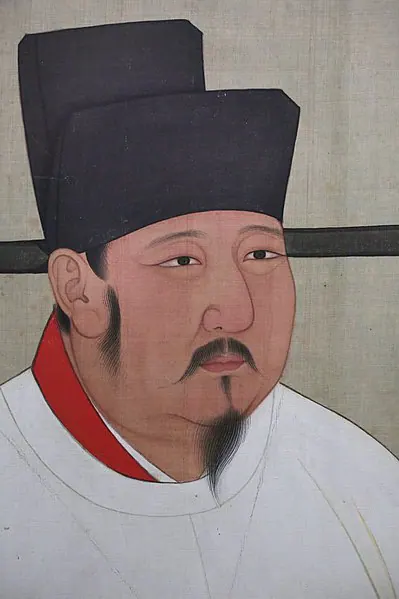
Within days of his accession Yingzong fell seriously ill, and for a time he behaved erratically. Renzong's widow, Empress Dowager Cao, who had raised him as a child, took charge of the government, attending audiences from behind a screen in the customary manner of a regent empress. Relations between the two became strained, and the chancellor Han Qi and the official Ouyang Xiu worked hard to reconcile them.
By the middle of 1064 Yingzong had recovered enough to rule. Han Qi persuaded the empress dowager to withdraw, and the screen from behind which she had governed was taken down. Yingzong's own empress, Empress Gao, was a niece of Empress Dowager Cao and had grown up with him in the palace. She would later, as Grand Empress Dowager, govern on behalf of her grandson, Emperor Zhezong.
The Puyi Controversy
The defining quarrel of the reign concerned the honours due to Yingzong's birth father, Zhao Yunrang. As Renzong's adopted son, should Yingzong address his natural father as ‘father’ or, as ritual custom suggested, as ‘imperial uncle’? Han Qi and Ouyang Xiu argued that he could honour Zhao Yunrang as a parent. Many officials, including Sima Guang and a group of censors, insisted that he was now Renzong's son and must call his birth father ‘uncle’.
The dispute, known as the Puyi (‘Pu deliberation’) after Zhao Yunrang's title, ran from 1064 to 1066 and divided the bureaucracy into bitter factions. It was settled in 1066, when an edict issued with the empress dowager's consent allowed the emperor to honour Zhao Yunrang as his parent, and the censors who had led the opposition were sent away from the capital.
Sima Guang's Comprehensive Mirror
Yingzong's most lasting act was one of patronage. In 1066 he commissioned the historian Sima Guang to compile a history of China for the guidance of rulers, and gave him an office, access to the imperial libraries and a staff of assistants, among them Liu Ban and Liu Shu; Fan Zuyu joined them a few years later. The work, completed in 1084 and named by Yingzong's son the Comprehensive Mirror for Aid in Government (Zizhi tongjian), covers more than 1,300 years and remains one of the great works of Chinese history.
Porcelain in Yingzong's Time
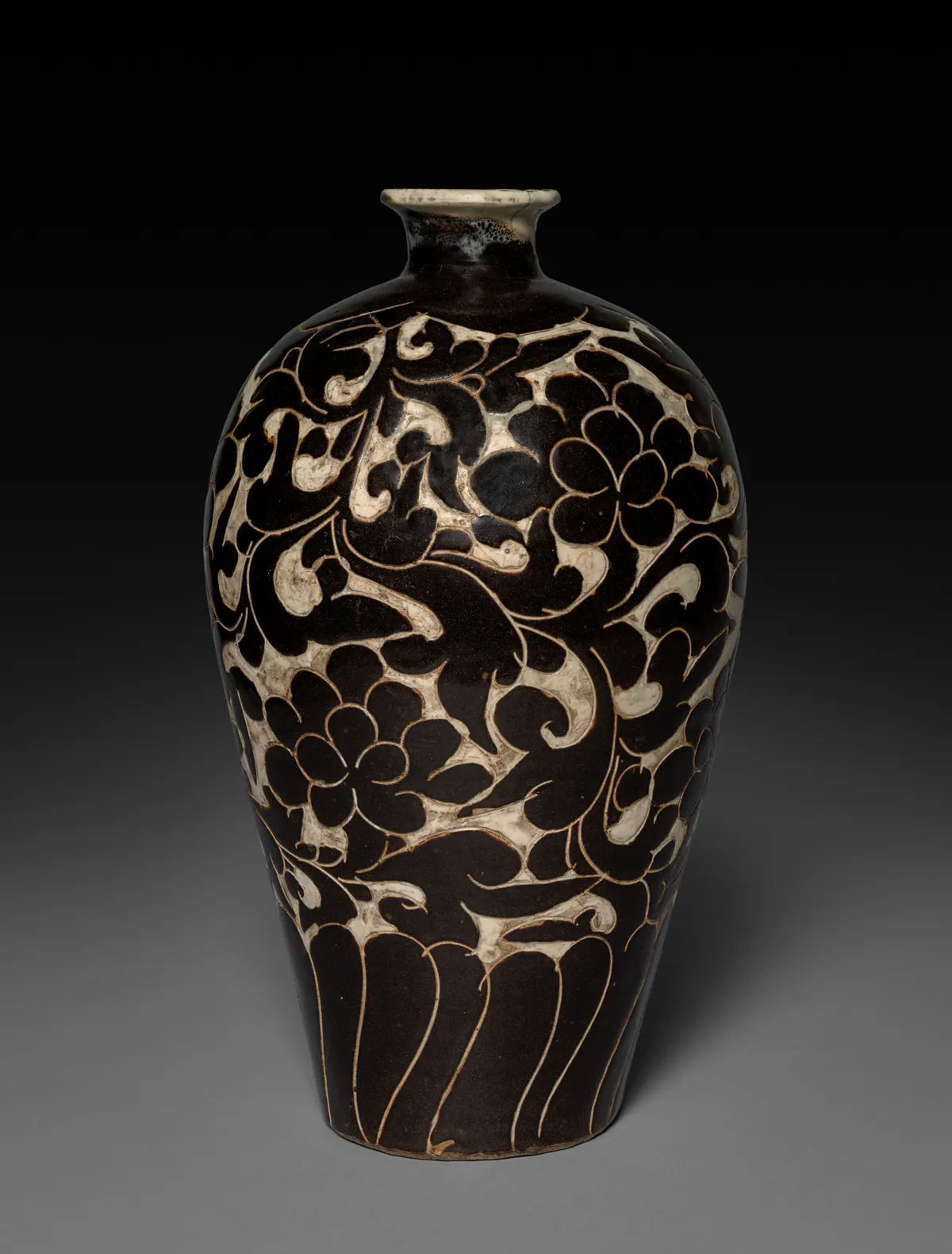
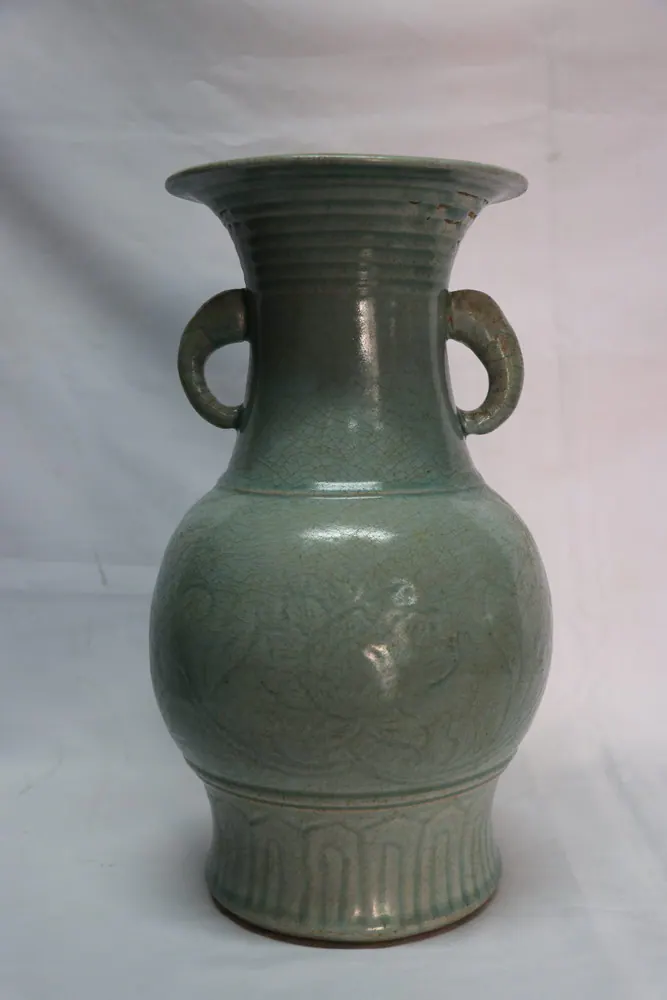
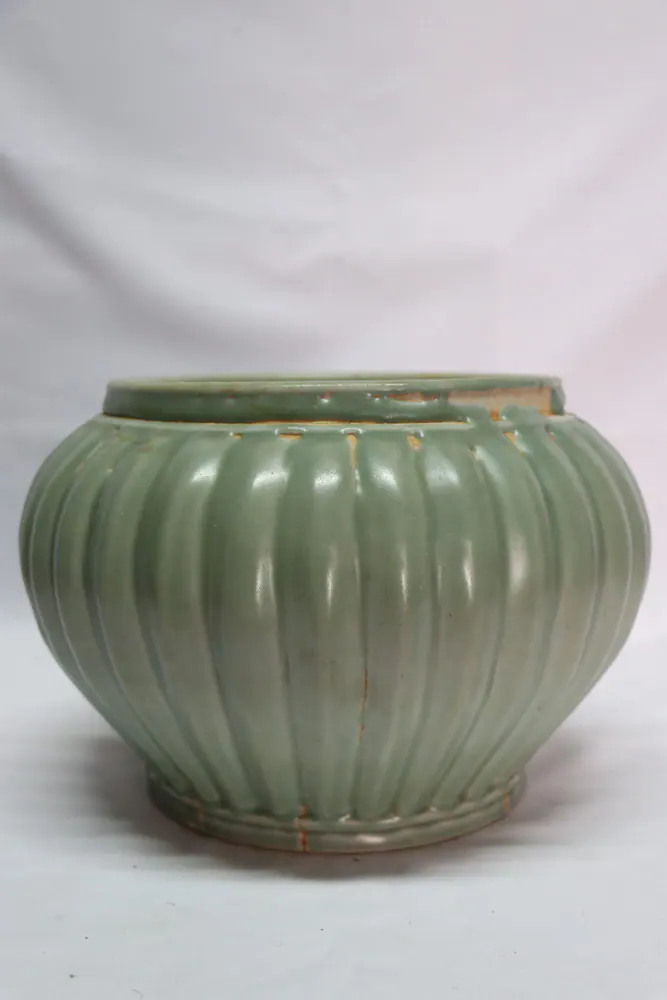
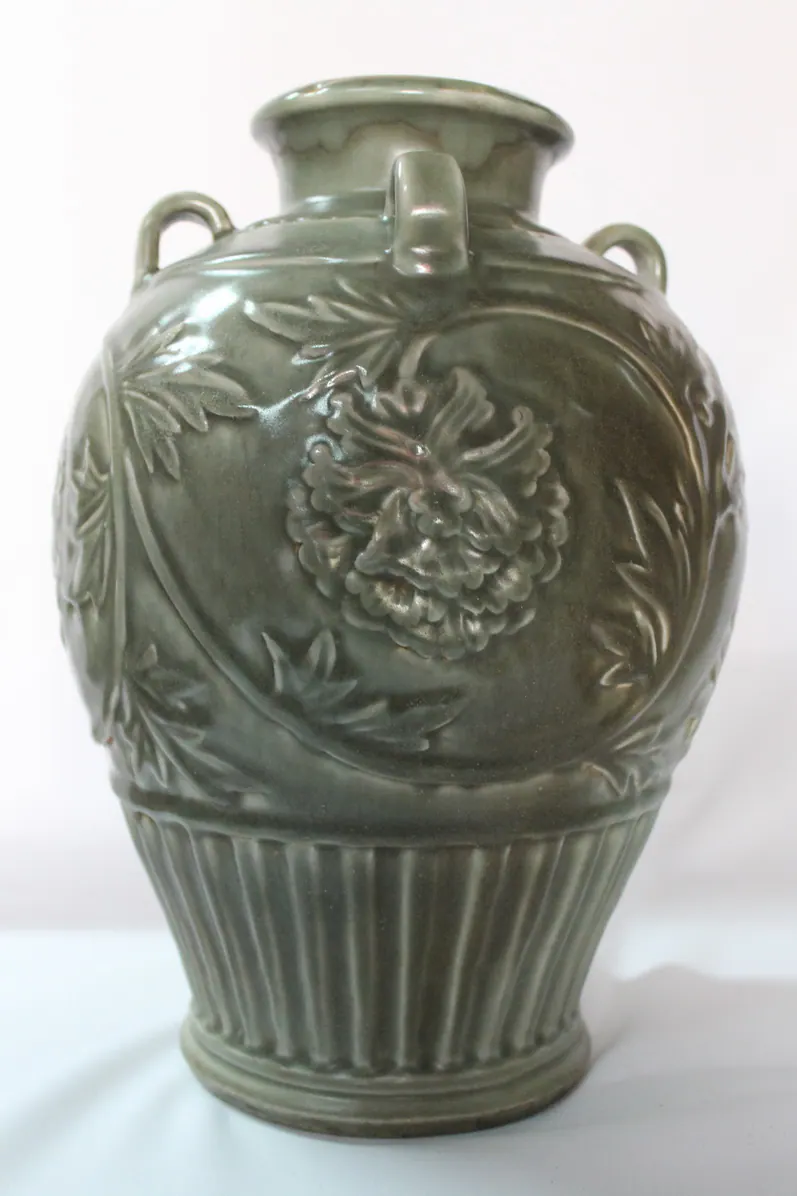
Yingzong reigned at a high point of Northern Song ceramics. The Ding kilns in Hebei were making thin, ivory-white porcelain, often with carved or incised lotus and other flowers; the Yaozhou kilns in Shaanxi made olive-green celadons with crisp carved and moulded decoration; and at Jingdezhen potters were producing the translucent, bluish-white qingbai porcelain. The Cizhou kilns of the north supplied bold stonewares for everyday use.
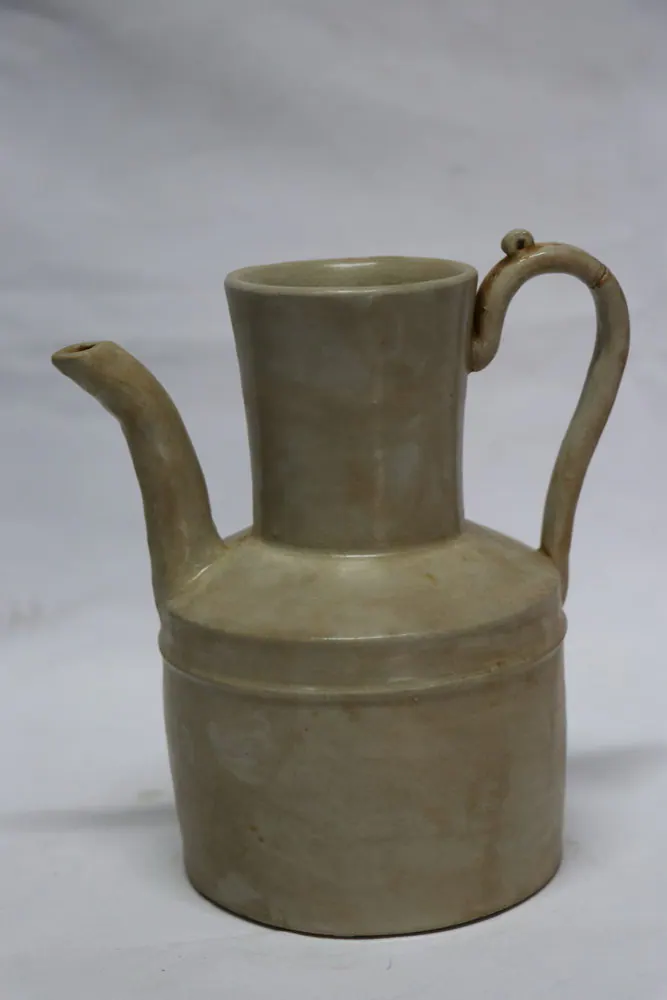
Song imperial wares did not carry reign marks, so they are dated by kiln, body, glaze and style. The celebrated Ru and Guan wares made for the court belong to a later generation: Ru to the reign of Huizong, Guan mainly to the Southern Song. Pieces in our Song dynasty porcelain collection include a Song dynasty qingbai ewer.