The Reign
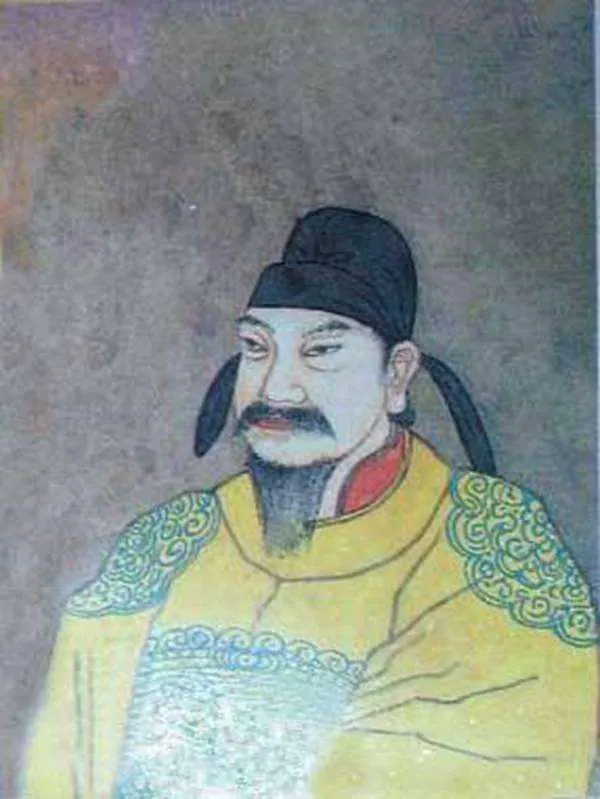
When Xuanzong died in 859, the throne did not pass smoothly. Xuanzong had favoured another son, Li Zi, Prince of Kui, and eunuchs loyal to him had charge of the succession. The eunuch Wang Zongshi had them killed and installed Li Wen, who took the name Li Cui and reigned as Emperor Yizong.
The eunuchs' power revived under Yizong, and the bitter rivalry between the court officials and the palace eunuchs continued throughout the reign.
Honours and Appointments
Yizong honoured his grandmother, Empress Dowager Zheng, as grand empress dowager, and posthumously honoured his mother, Lady Chao, as empress dowager. He replaced the long-serving chancellor Linghu Tao with a former chancellor, Bai Minzhong, whose service was soon interrupted by an injury from a fall on his way to an audience.
Nanzhao
Yizong at once faced trouble with the kingdom of Nanzhao in the southwest. Its new king, Shilong (also known as Qiulong), had a name that broke the taboo on the personal names of earlier Tang emperors, and Yizong refused to issue the edict confirming him as king. Shilong responded by renaming his state Dali (大禮), proclaiming himself emperor, the equal of the Tang ruler, and attacking Tang outposts.
A long and costly war followed. Nanzhao forces overran Annam, the Tang protectorate in what is now northern Vietnam, and fighting there continued until 866, when Tang forces recovered the region. In 869 and 870 Nanzhao armies invaded Sichuan and besieged Chengdu.
Rebellion and Mutiny
Unrest had been growing since the 850s, first in Henan and the Huai valley and then in the Yangzi valley and the south. Kang Quantai led a rising in southern Anhui in 858, and in 859 and 860 Qiu Fu led a rebellion in eastern Zhejiang.
The most serious threat came from the army itself. Soldiers from Xuzhou, sent to garrison Guilin in Lingnan in the far south against Nanzhao, were kept there long beyond their promised term. In 868 they mutinied under Pang Xun and fought their way back north to the Huai region, where the rising spread and caused widespread chaos until 869. For a time the rebels cut the canal that carried grain from the Huai and Yangzi provinces to the capital.
The Famen Temple Relic
In 873 Yizong had the relic of the Buddha's finger bone brought in procession from the Famen Temple, west of Chang'an, to the capital, with great ceremony and at enormous cost. When the relic was returned the following year, it was sealed in the temple's crypt together with rich offerings from the court.
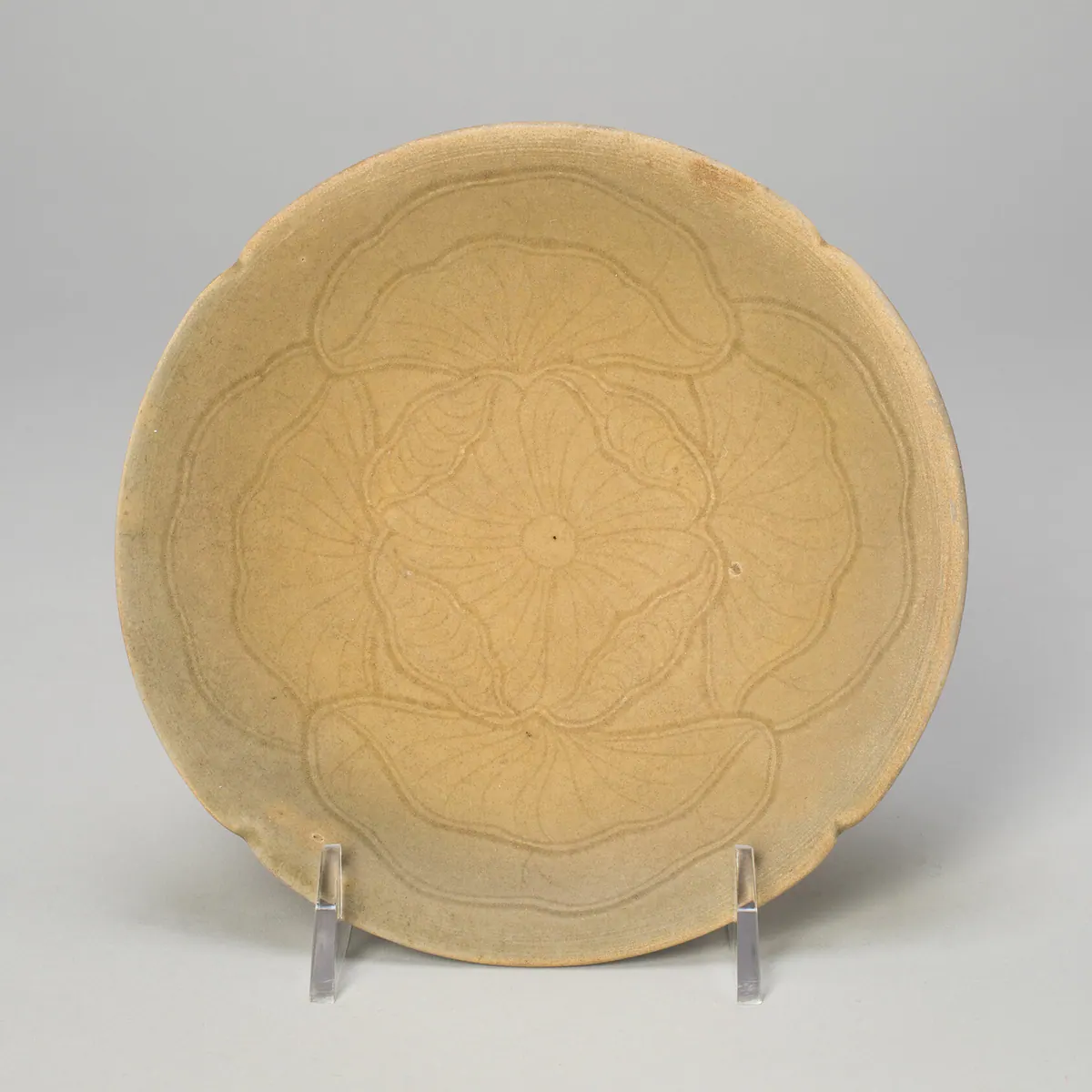
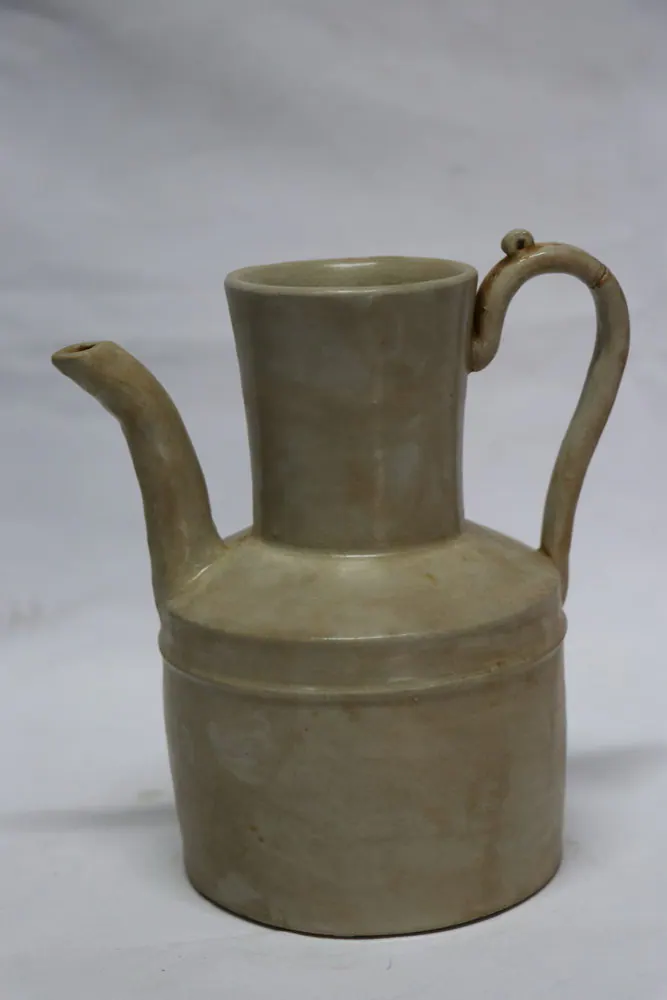
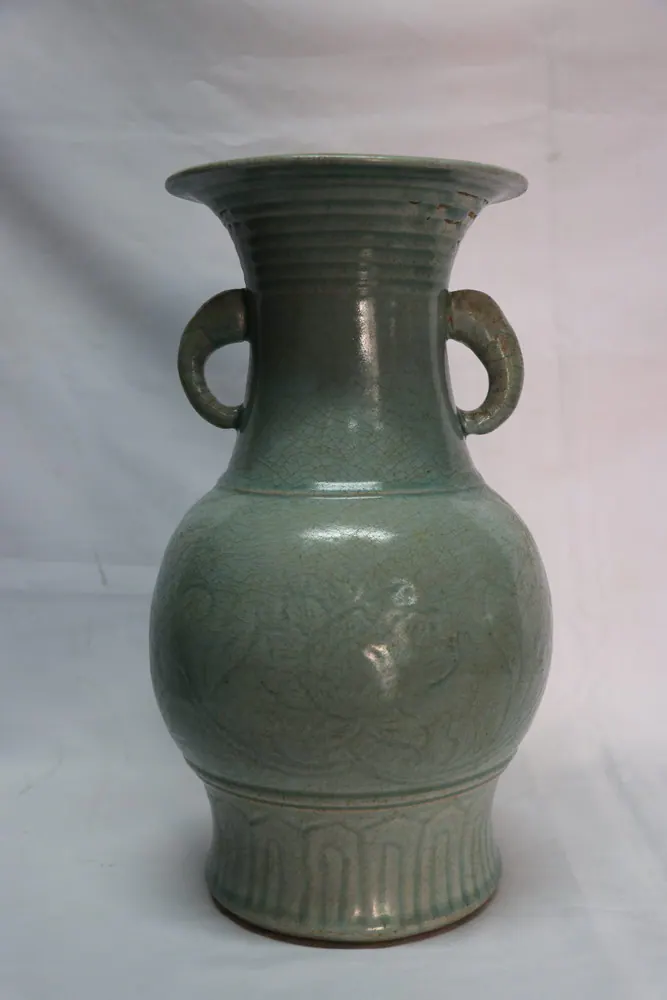
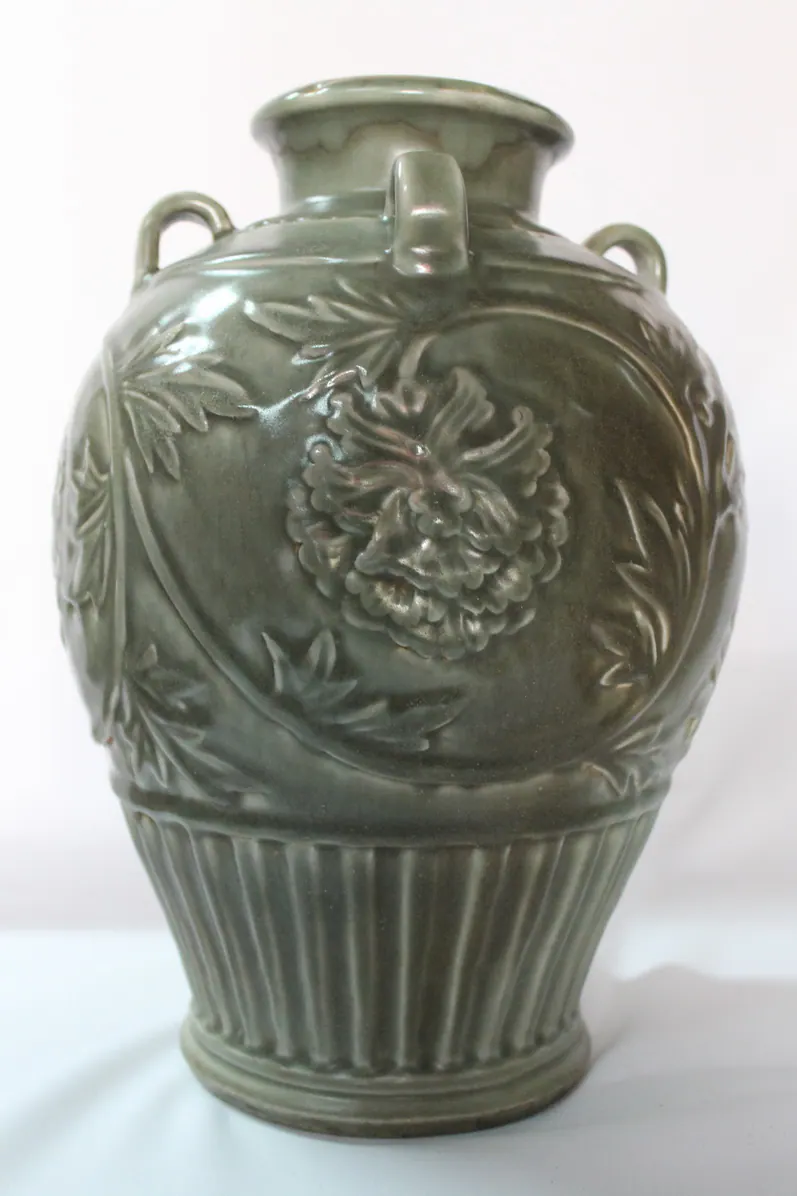
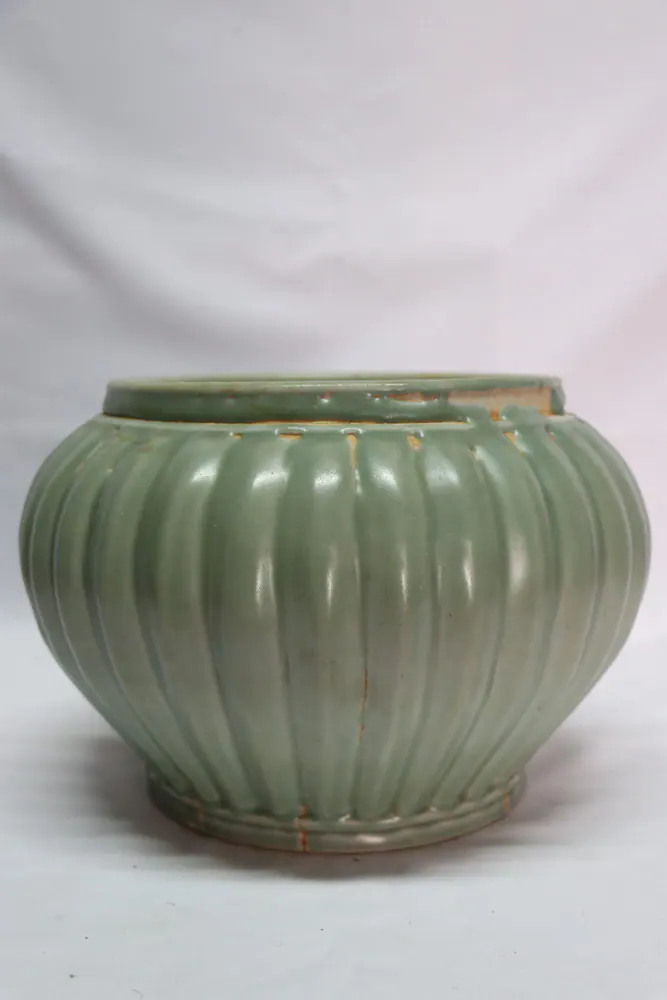
The crypt was rediscovered in 1987. Its contents, recorded on an inventory tablet found with them, include gold and silver vessels, Islamic glass, silks and a group of Yue celadons described in the inventory as mise ("secret colour") ware. They are the first securely identified examples of this celebrated ware, and they remain the benchmark for collectors and scholars of Tang ceramics.