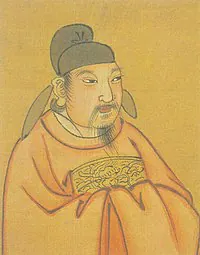
The Reign of Emperor Xianzong
The new emperor dismissed the reformers at once. Wang Shuwen was exiled and later ordered to take his own life, and eight of their associates were sent to minor posts in distant prefectures, among them the writers Liu Zongyuan and Liu Yuxi. Shunzong died early in 806. Some later historians suspected that he was killed by the eunuchs who had brought his son to power, though this has never been proved.
Restoring the Court's Authority
Since the An Lushan rebellion of 755–763, many provinces had been held by military governors (jiedushi) who passed their posts to their sons and sent little or no revenue to the capital. Xianzong set out to reverse this. In his first two years he crushed rebellious governors in Sichuan in 806 and in the lower Yangtze region in 807.
The Hebei provinces proved harder. A campaign against Chengde in 809–810, badly led by a eunuch commander, failed, and the court was forced to compromise. From 814 to 817 the court fought a long war against Huaixi, a rebellious province in the upper Huai valley that threatened the canal route carrying grain from the south. Governors who feared its outcome had the leading chancellor, Wu Yuanheng, assassinated in the streets of Chang'an in 815, but Xianzong persisted. In the winter of 817 the general Li Su captured Caizhou, the rebel capital, in a surprise night march through a snowstorm, and the province was divided among its neighbours.
The victory persuaded most of the other governors to submit. The last major holdout, Li Shidao of Pinglu in Shandong, was defeated in a campaign of 818–819 and killed by one of his own officers, and his province was divided into three. For the first time in more than half a century, every province of the empire acknowledged the court's authority.
The Power of the Eunuchs
Xianzong's success depended heavily on the palace eunuchs. They commanded the Shence Army, the most powerful force at the court's disposal, and served as army supervisors in the field. Under Xianzong eunuchs also handled the flow of documents between the emperor and his officials, a role that grew into a permanent eunuch office close to the throne. As long as Xianzong lived, he kept them in check. Under his successors, eunuchs who controlled the palace armies would decide who became emperor, and more than one Tang ruler would die at their hands.
The Buddha's Finger Bone
In 819 Xianzong had a relic of the Buddha, a finger bone kept at the Famen Temple west of Chang'an, brought to the capital in great ceremony. The scholar-official Han Yu submitted a famous memorial condemning the veneration of the relic, and the furious emperor wanted to put him to death; he was spared but banished to Chaozhou in the far south. The same relic was later sealed in the Famen Temple crypt, whose rediscovery in 1987 gave collectors the finest documented Yue celadons of the late Tang (see Emperor Xizong).
Ceramics in the Yuanhe Period
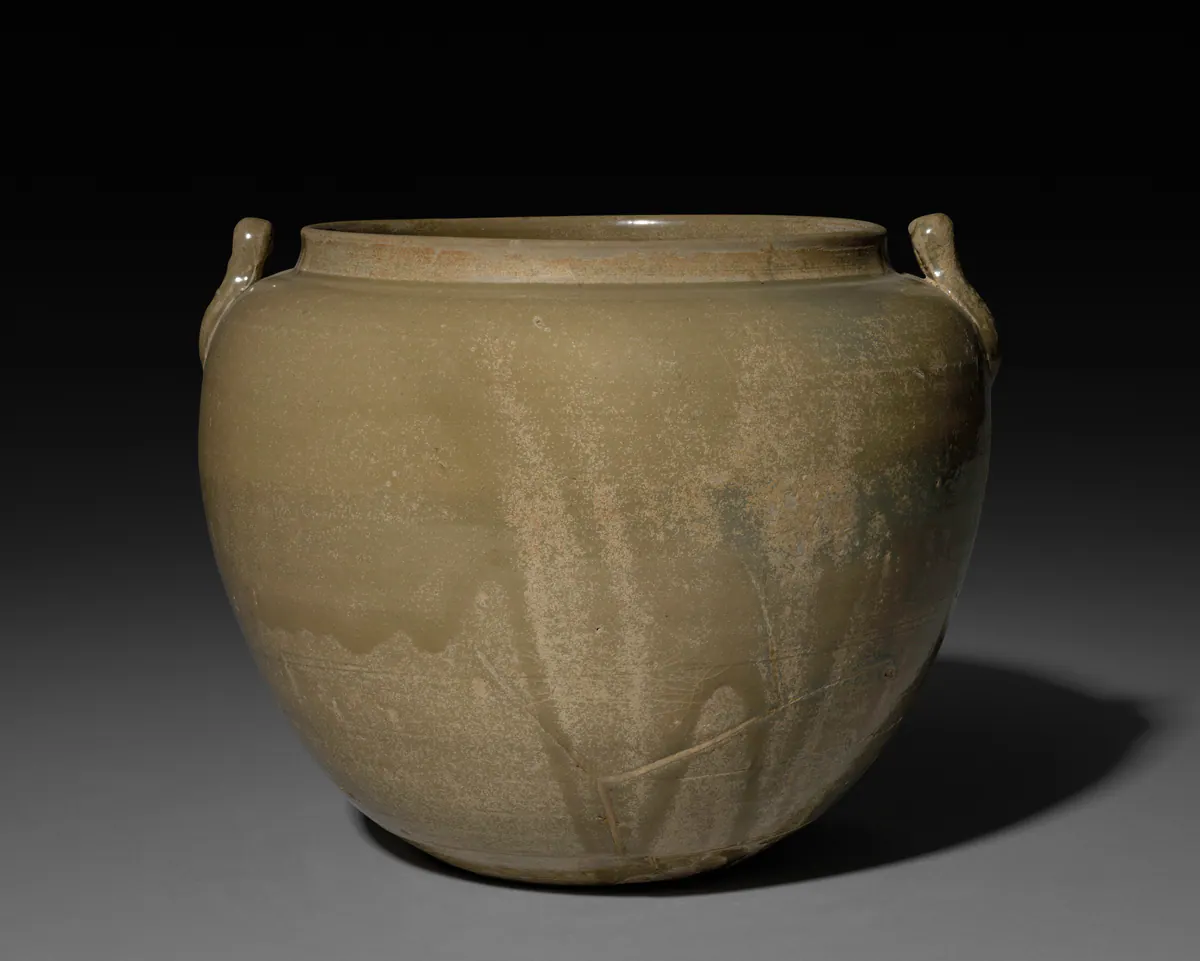
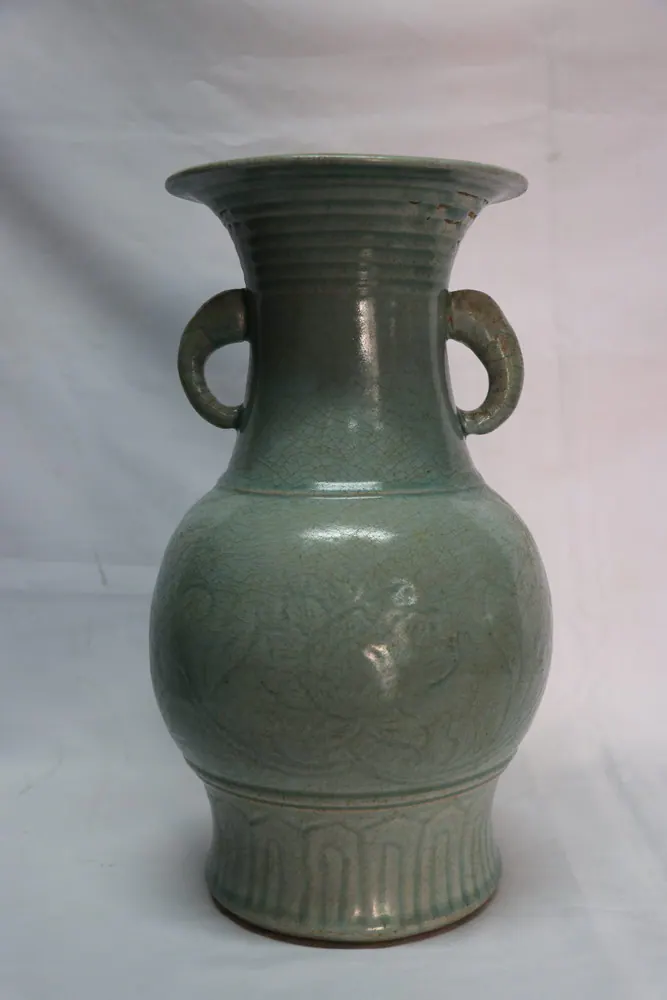
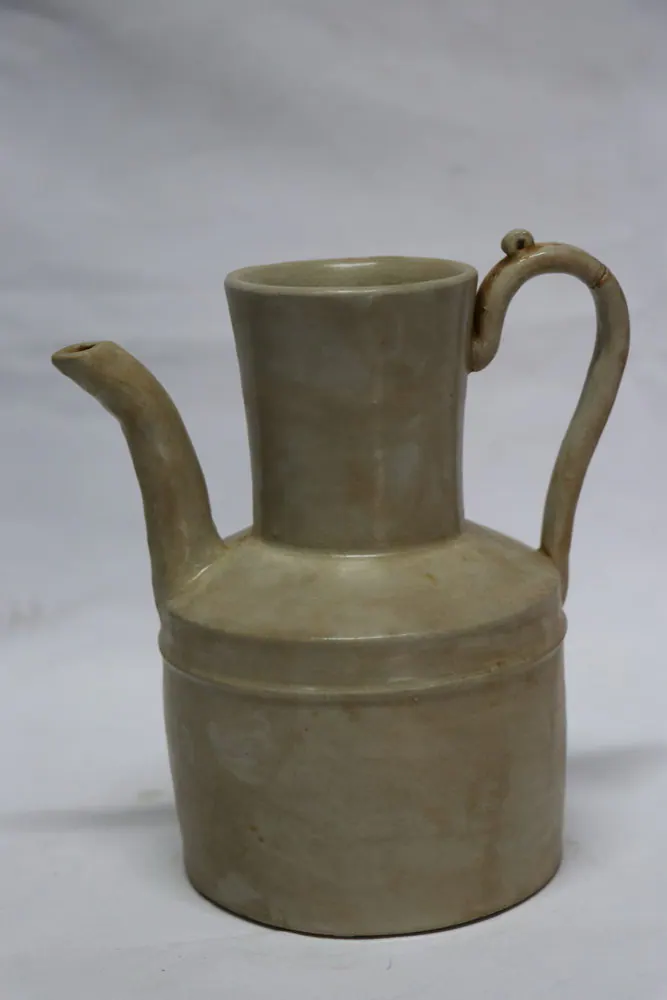
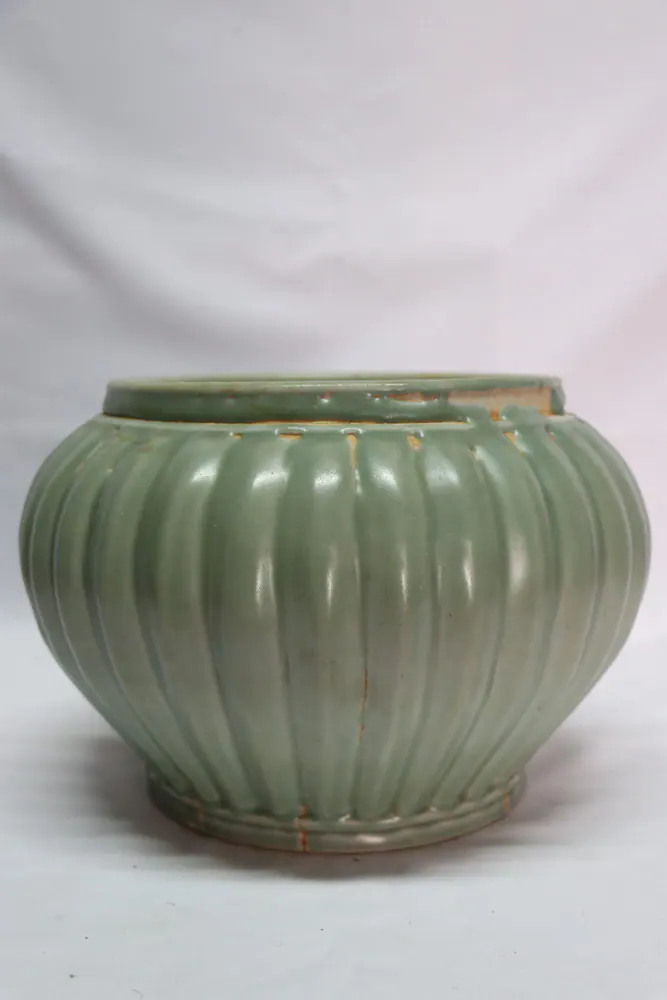
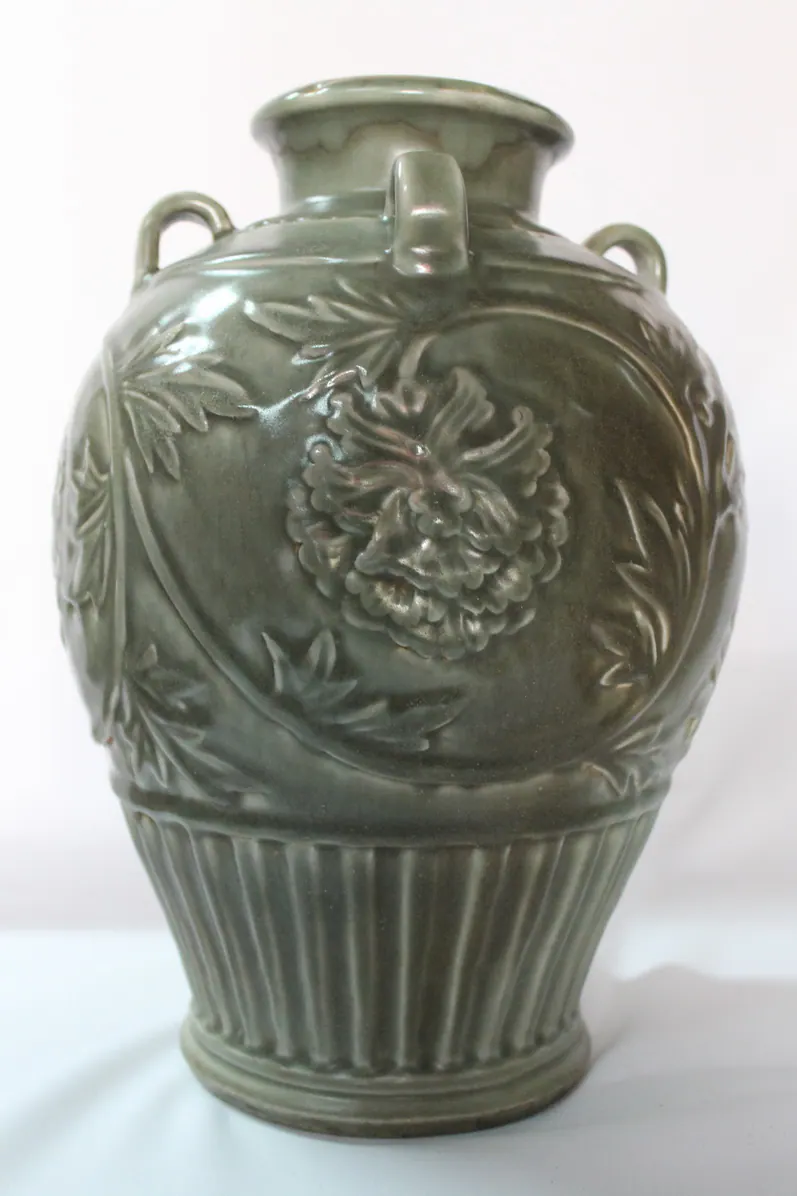
Tea drinking spread widely in the late eighth and early ninth centuries, and with it the demand for fine bowls. The two leading wares were the green-glazed celadons of the Yue kilns in Zhejiang and the white wares of Xing in Hebei, a contrast later summed up in the phrase ‘celadon in the south, white in the north’. The Changsha kilns in Hunan were painting wares under the glaze in brown and green, and all three were shipped abroad in growing quantities. Our article on Tang dynasty art and inventions covers the crafts of the period more widely.