The Princes' Rebellion and the End of the Reign
In 688 the empress dowager summoned the senior princes of the Li imperial clan to Luoyang for a ceremony honouring the spirit of the Luo River. Many feared that the summons was a trap. Li Zhen, Prince of Yue, a son of Emperor Taizong and so Ruizong's uncle, rose in revolt with his son Li Chong, Prince of Langye, but both risings were quickly defeated.
The empress dowager used the revolt to purge the imperial clan. Among those who died were Ruizong's grand-uncles Li Yuanjia and Li Lingkui, sons of the dynasty's founder, Emperor Gaozu.
The Empress Regnant
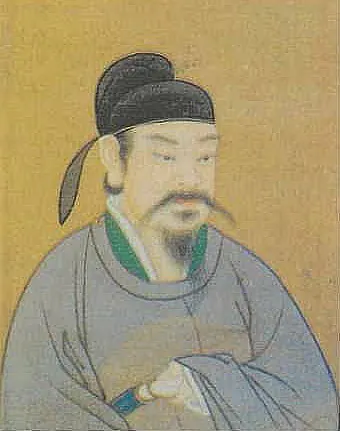
In 690 officials and commoners submitted petitions asking the empress dowager to take the throne, and Ruizong himself joined them. She accepted, proclaimed the Zhou dynasty and became the only woman in Chinese history to rule as emperor in her own right. Ruizong was reduced to the status of heir, given the surname Wu and known as Wu Lun.
In 698 he gave up his place as heir to his brother Li Zhe, who had been recalled from exile. He returned to the throne only in 710, after Zhongzong's death, as told on the page on his second rule.
Ceramics of the Reign
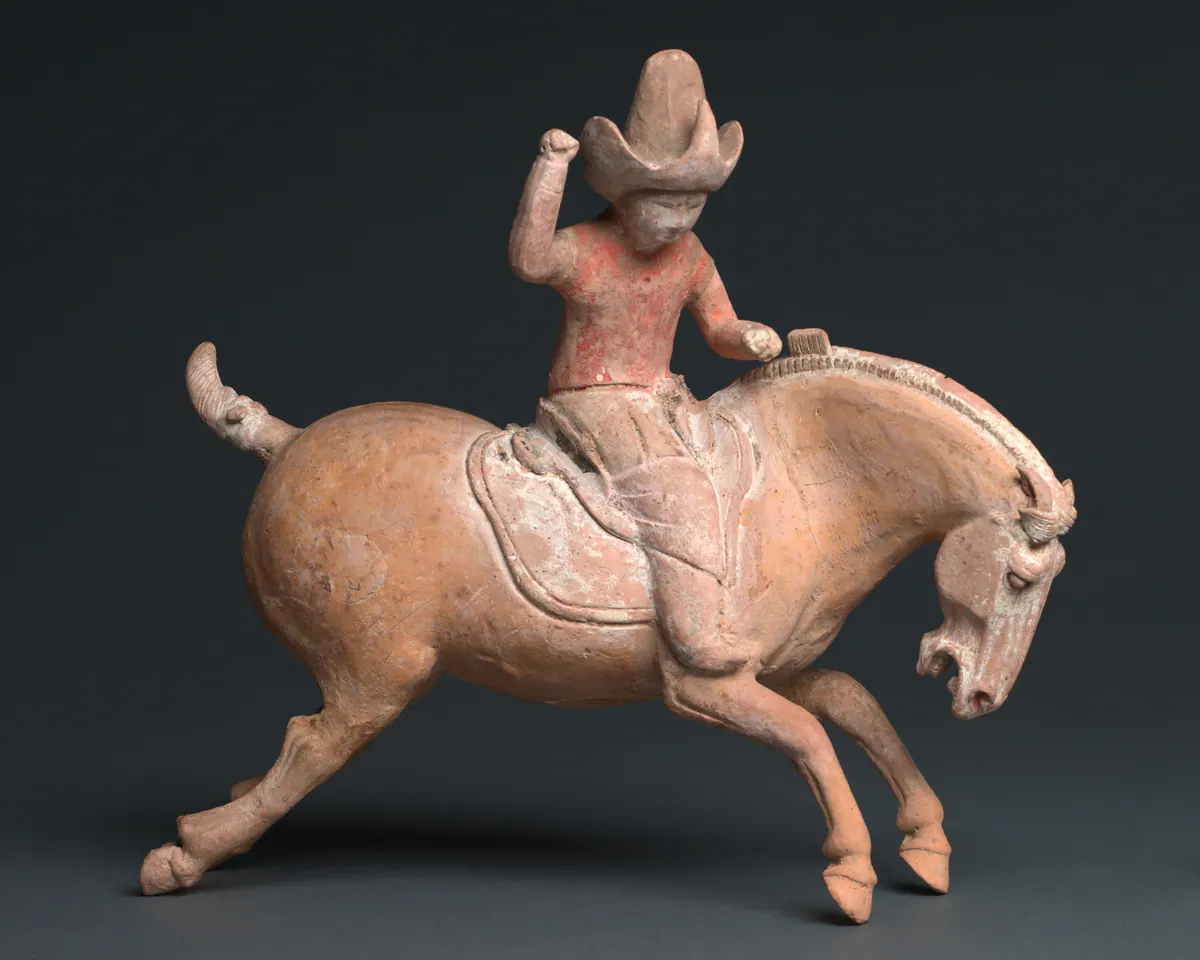
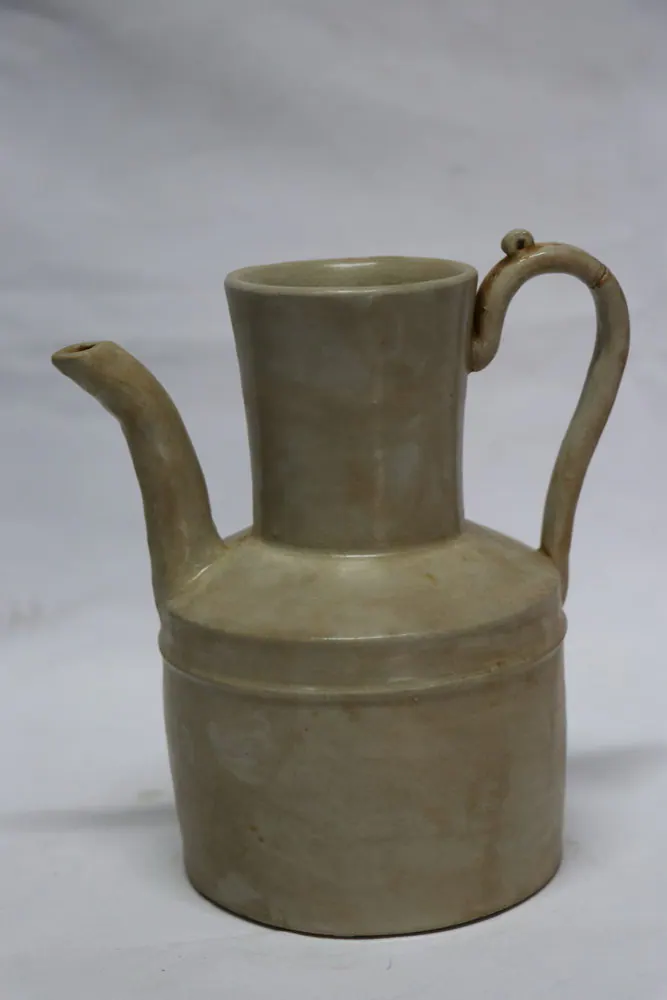
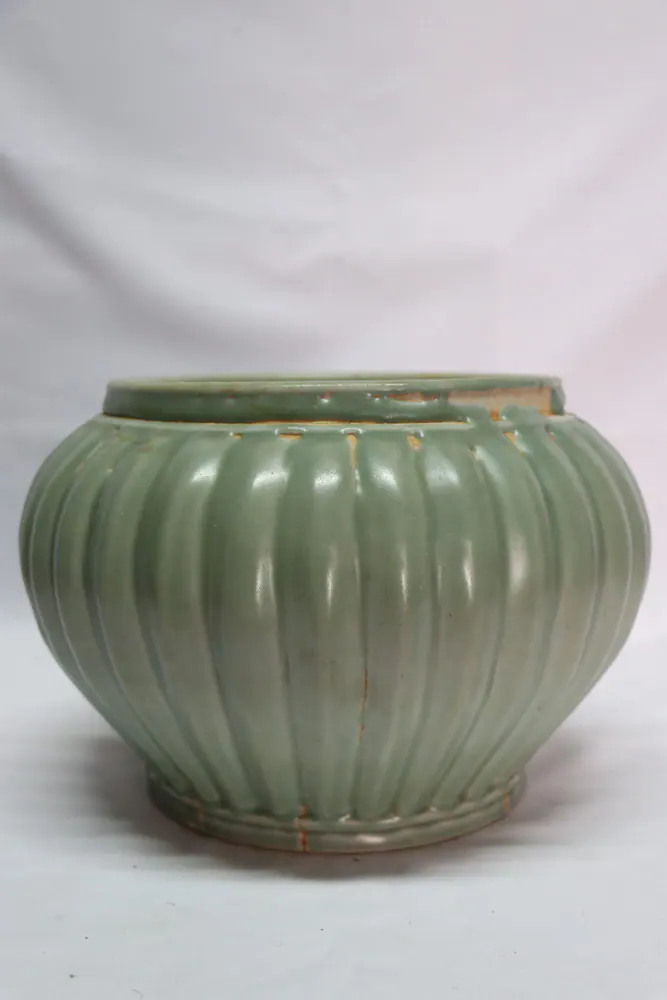
Ruizong's first reign, in which his mother held all real power, is not associated with any particular ceramics, but the years 684 to 690 fall in a period of rapid growth in Tang tomb pottery. Elite burials around Chang'an and Luoyang were furnished with earthenware figures of riders, grooms and attendants, painted over a white slip. Polo, which is generally thought to have reached China from Persia by way of Central Asia, was popular with Tang aristocrats, women as well as men, and figures such as the one shown here record the game.
Lead-glazed sancai wares were made in growing numbers at Gongxian, near Luoyang, the city the empress dowager favoured, and near Chang'an. Tang regulations tied the number of such figures in a tomb to the rank of the dead.