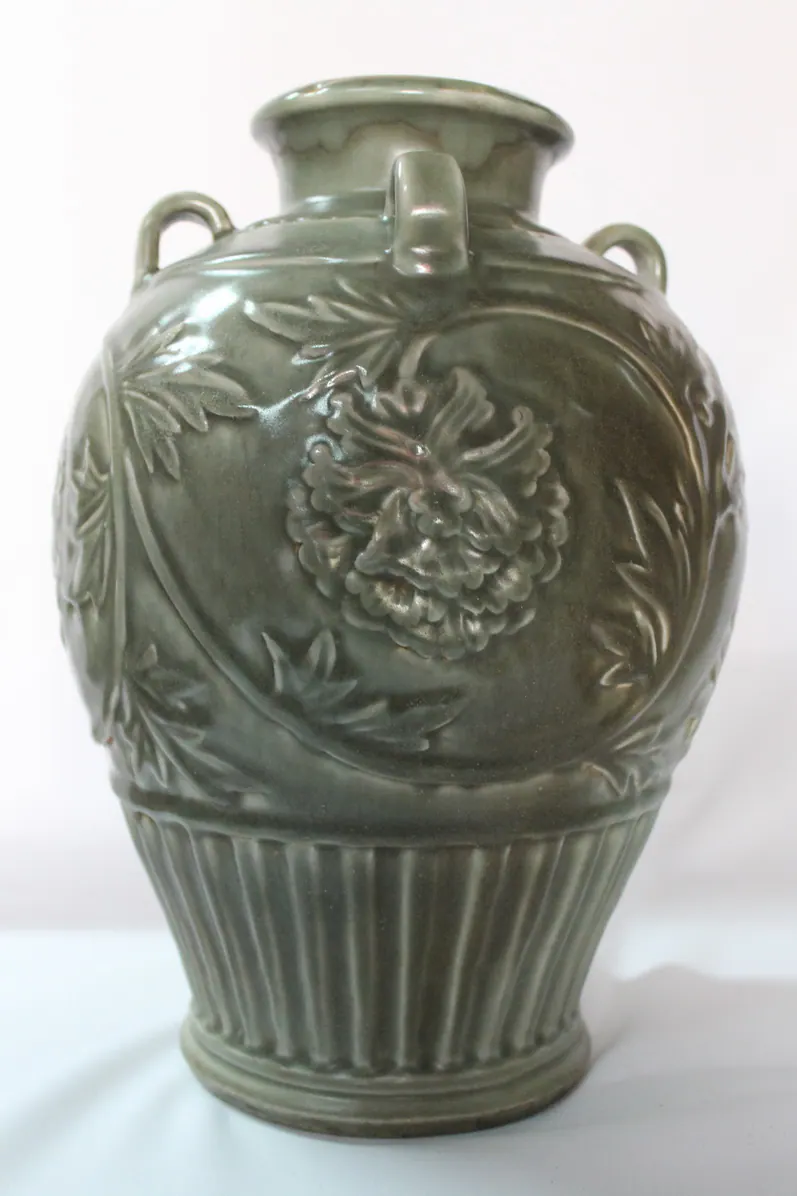
Portrait: public domain, via wikipedia.org

Southern Song1162–1189

Emperor Xiaozong

隆興 · 乾道 · 淳熙

Reign facts
Reigned
1162–1189 (27 years)
Lived
1127–1194
Personal name
Zhao Shen 趙昚
Temple name
Xiaozong 孝宗
Era names
Longxing 隆興 1163–1164Qiandao 乾道 1165–1173Chunxi 淳熙 1174–1189

Emperor Xiaozong, whose personal name was Zhao Shen (趙昚), was born in 1127 and died in 1194. He was the eleventh emperor of the Song dynasty and the second of the Southern Song, reigning from 1162 to 1189 under the era names Longxing (1163–1164), Qiandao (1165–1173) and Chunxi (1174–1189).

A descendant of the dynasty's founder, Emperor Taizu, he was the first of Taizu's line to take the throne, which had passed down through Taizu's brother Taizong since 976. Xiaozong is widely regarded as the ablest ruler of the Southern Song. After a failed war to recover the north he made a more equal peace with the Jin, and his long reign gave the south a period of stability in which farming, trade and learning flourished. He was known for diligence in government and for personal frugality, avoiding luxury and lavish building.

Adoption and Accession

Zhao Shen was born in 1127 at Xiuzhou, modern Jiaxing in Zhejiang, with the name Zhao Bocong. His family were distant members of the imperial clan, seventh-generation descendants of Taizu. When Emperor Gaozong's only son died in 1129, officials urged the childless emperor to choose an heir from Taizu's line, and in 1132 the small boy was brought into the palace to be raised there. He was given new names as his standing rose, and became Zhao Shen when he was made crown prince in 1162.

Later that year Gaozong abdicated in his favour. The retired emperor kept considerable influence until his death in 1187, and Xiaozong treated him with marked respect throughout. His temple name, Xiaozong, means "Filial Ancestor".

The Rehabilitation of Yue Fei

One of Xiaozong's first acts was to restore the honour of Yue Fei, the general put to death under Gaozong in 1142. Yue Fei's titles were restored and he was reburied with honour beside the West Lake at Lin'an (modern Hangzhou); in 1179 he was given the posthumous name Wumu. Xiaozong also removed the remaining followers of the late chancellor Qin Hui from court.

War and Peace with the Jin

Xiaozong hoped to recover the northern lands lost to the Jurchen Jin in 1127. In 1163, soon after his accession, he launched a northern expedition. The Song armies won some early successes, but their commanders, Li Xianzhong and Shao Hongyuan, distrusted each other, and the army was routed at Fuli, in northern Anhui. The campaign collapsed.

A new peace followed. Under the agreement concluded in 1165, the Peace of Longxing, the Song emperor was no longer treated as a vassal of the Jin. The two rulers now addressed each other as nephew and uncle, the terms were less humiliating than before, and the annual payments were reduced to 200,000 taels of silver and 200,000 bolts of silk. The peace lasted for the rest of his reign.

Government in the Qiandao and Chunxi Eras

Later Chinese historians looked back on the Qiandao and Chunxi eras as the best-governed years of the Southern Song. Xiaozong worked to strengthen farming and the economy while reforming and training the army, and he is said to have practised archery and riding himself. He took a close personal interest in the government's paper money, the huizi, and is reported to have said that worry over it had cost him nearly ten years of sleep.

His reign was also a great age of letters. The poets Lu You, Yang Wanli, Fan Chengda and Xin Qiji were all active, and the philosopher Zhu Xi was developing the Neo-Confucian teaching that later became the orthodoxy of the examinations.

Abdication

Gaozong's death in 1187 affected Xiaozong deeply. He withdrew from government to mourn and passed much of the daily business of state to his son, Zhao Dun, who had been crown prince since 1171. In 1189 he abdicated in Zhao Dun's favour, and his son took the throne as Emperor Guangzong. Xiaozong then took the title of Taishang Huang, retired emperor, himself.

A Retired Emperor

Xiaozong lived for five more years in retirement, in the Chonghua Palace at Lin'an, but his relations with his son broke down. Guangzong's consort, Empress Li, is said to have kept the two apart and prevented them from meeting.

When Xiaozong fell ill in 1194, Guangzong refused to visit him, and after his father's death he refused to lead the mourning rites. The scandal cost him the throne. Later that year, with the authority of Gaozong's widow, Grand Empress Dowager Wu, the court forced him to abdicate in favour of his son, who reigned as Emperor Ningzong, Xiaozong's grandson.

Ceramics of the Xiaozong Reign

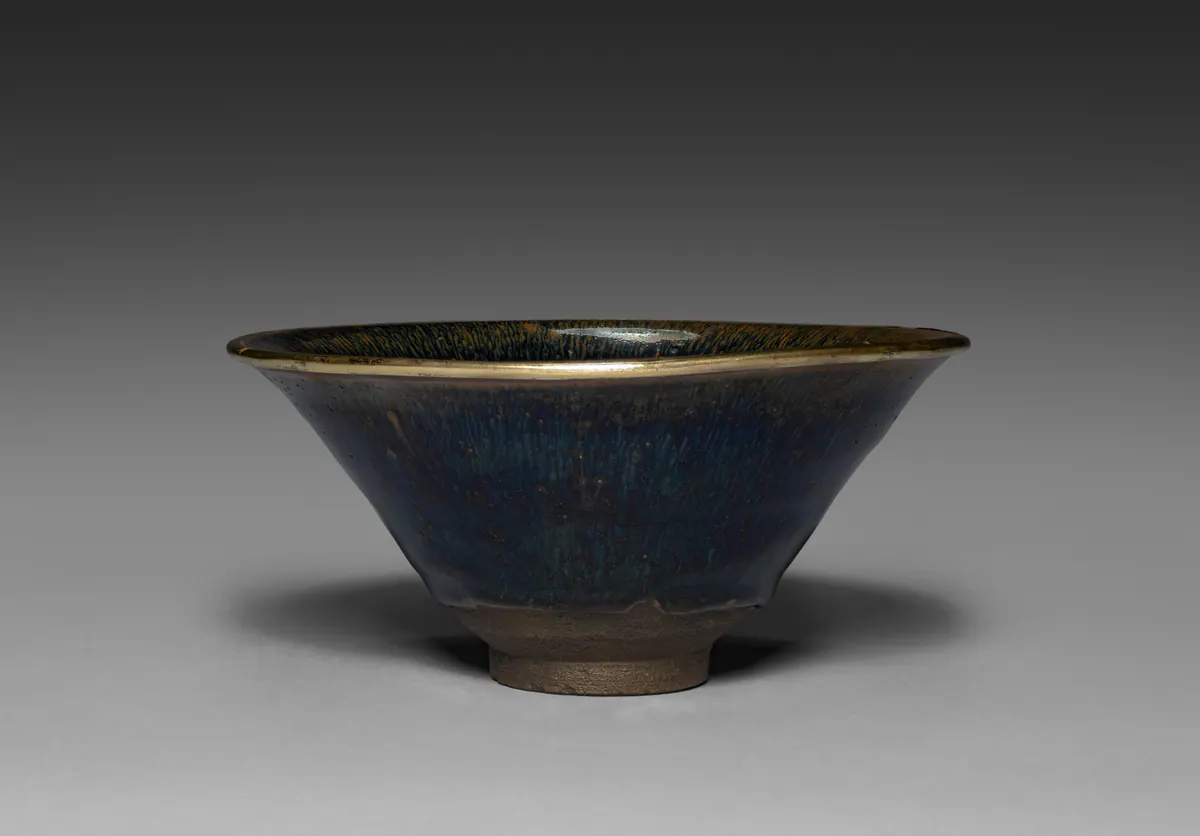
Xiaozong's reign falls in the great period of Southern Song ceramics. Near the capital the official Guan kilns made crackled wares for the court. In south-western Zhejiang the Longquan kilns were developing the thick, softly glossy blue-green glazes for which they became famous, and at Jingdezhen potters made the pale bluish-white porcelain known as qingbai. In Fujian the Jian kilns made the dark tea bowls prized for whisked tea.

A conical Jian ware tea bowl with a black glaze streaked with fine brown hare's fur lines, a metal-bound rim and a dark unglazed foot.
Museum exampleJian ware tea bowl from Fujian with a black "hare's fur" glaze and metal-bound rim, Southern Song, 1100s to 1200s: the dark bowls prized for whisked tea in Xiaozong's day.Cleveland Museum of Art, 1948.206. Public domain (CC0).

The Southern Song was also a great age of maritime trade. Chinese merchant ships sailed to ports across South-East Asia and the Indian Ocean, carrying silk and ceramics, above all the celadon and qingbai wares of the southern kilns. Our guide to Longquan celadon explains how these wares are recognised.

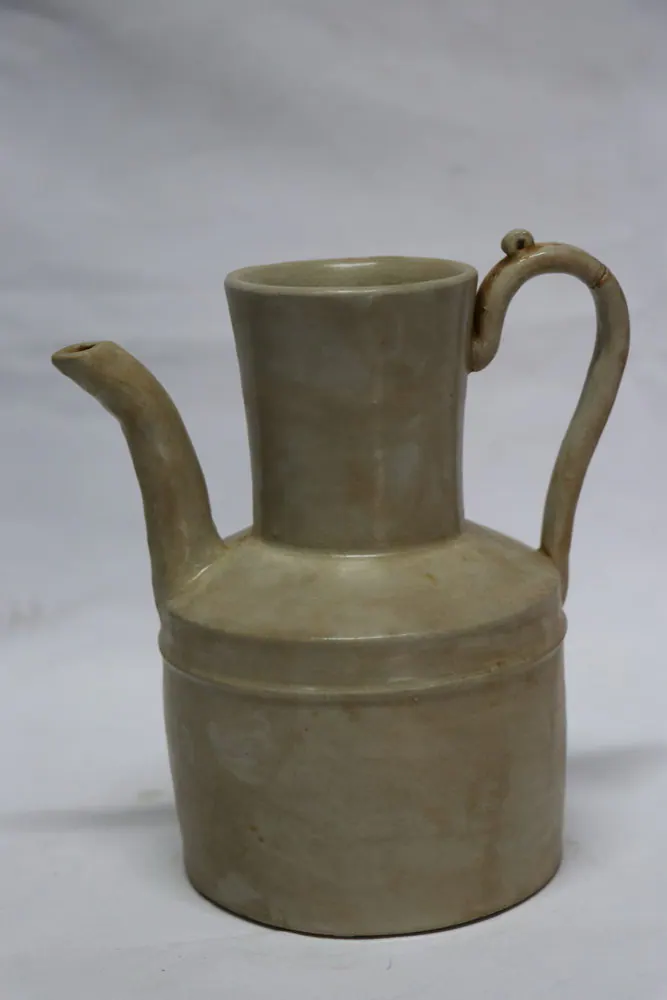
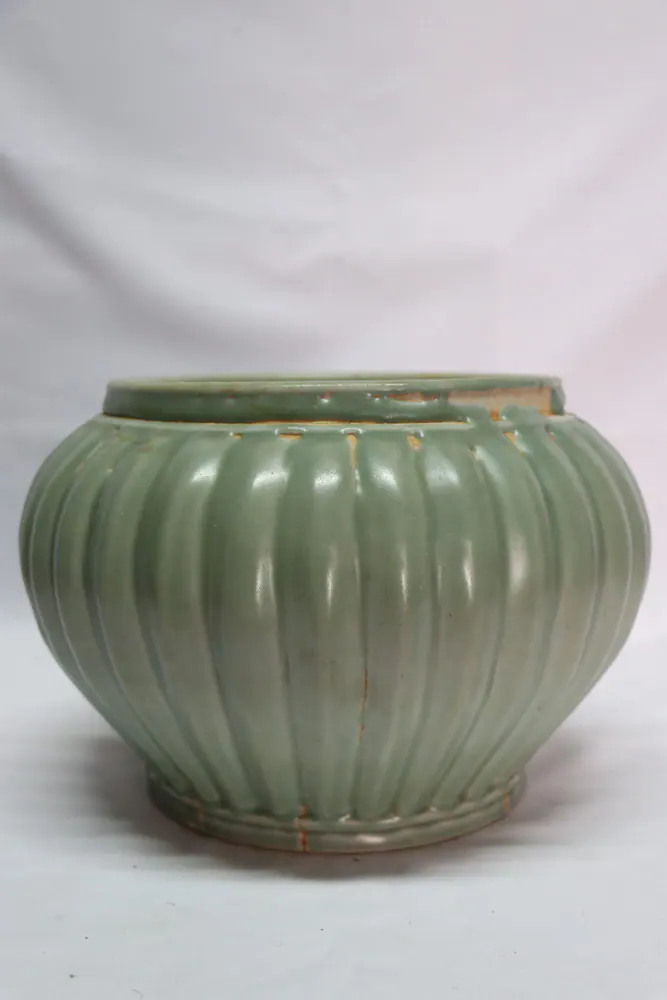
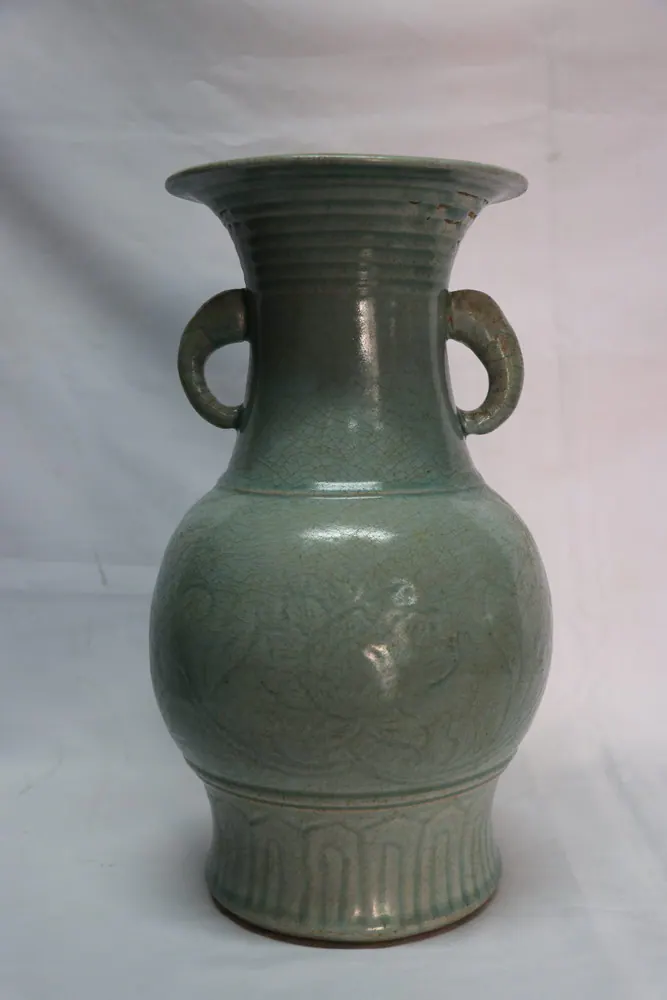
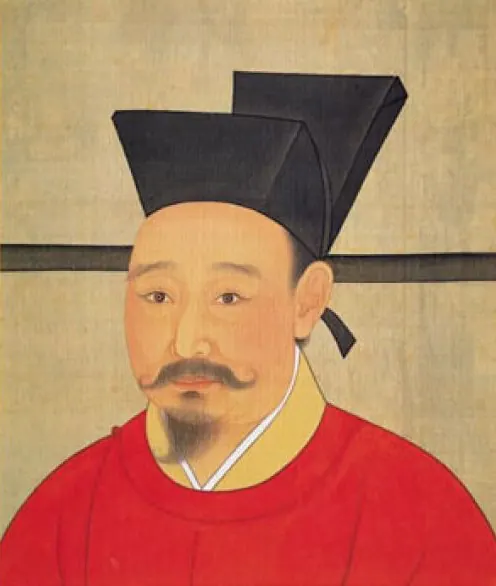
Song wares carry no reign marks, so no piece can be dated to Xiaozong's reign by inscription. A Song dynasty celadon jar with a fluted, melon-shaped body in our collection is typical of the green wares made in the Song period.

From the Song Dynasty

View all Song Dynasty PorcelainAsk about a piece

Be the first to see new pieces

Join our collectors' list for new arrivals, rare finds and private offers.