A Court Run by Eunuchs
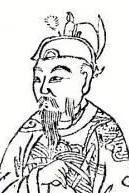
One of the first acts of the new reign was the fall of Wei Baoheng, the chancellor who had dominated Yizong's last years; he was exiled and ordered to take his own life. Real power passed to the eunuch Tian Lingzi, the young emperor's favourite, whom Xizong is said to have addressed as ‘father’. Xizong himself preferred games, horses and above all polo. In 880, when the governorships of the rich Sichuan circuits were to be filled, he is recorded as awarding the best of them to the winner of a polo match; the winner was Tian Lingzi's brother, Chen Jingxuan.
The empire he inherited was already under strain. Drought and famine struck the heart of the country early in the reign, yet taxes were still collected, and relief ordered by the court often never reached the people. In the south-west, Tang forces were at war with the kingdom of Nanzhao, based at Dali.
The Rebellions of Wang Xianzhi and Huang Chao
In 874 the salt smuggler Wang Xianzhi raised a rebellion in the east, and the following year he was joined by another salt trader, Huang Chao. Their bands of desperate peasants moved rapidly across the plains, avoiding the strongest government armies. After Wang Xianzhi was killed in 878, Huang Chao took over the movement and led it south.
In 879 Huang Chao captured Guangzhou, the great port of the south, where large numbers of foreign merchants were killed. Disease in the subtropical climate took a heavy toll on his army, and he turned north again through present-day Hunan. Wang Duo, the chancellor in charge of the campaign against him, failed to stop him and was replaced as commander by Gao Pian, military governor of Huainan. Gao's forces won some early victories, but he then held back, and Huang Chao crossed the Yangtze and the Huai and marched on the capitals.
The Fall of Chang'an
In the winter of 880 Huang Chao took Luoyang. The court hastily raised a new army to hold the Tong Pass, the gateway to Chang'an, but it was quickly overwhelmed. As the rebels approached, Xizong and Tian Lingzi fled the capital with a small escort and made for Chengdu in Sichuan, following the road Emperor Xuanzong had taken during the An Lushan rebellion more than a century earlier.
Huang Chao entered Chang'an and proclaimed himself emperor of a new state, Qi. His regime killed the members of the Tang imperial clan who remained in the city and many senior officials. He tried at first to keep the Tang administration working, but he could not win over the provincial governors, and his troops plundered the capital. Surrounded by loyalist armies, he abandoned Chang'an in 883, when the Shatuo Turkic cavalry of Li Keyong retook the city. He retreated east through Henan into Shandong and was killed in 884.
The Collapse of Central Authority
The rebellion was over, but the Tang court now depended entirely on the generals who had defeated it. Li Keyong in the north and Zhu Wen, a former lieutenant of Huang Chao who had defected to the Tang in 882, became the most powerful men in the empire. Xizong returned to Chang'an in 885, only to be driven out again within the year when Tian Lingzi quarrelled with the governor Wang Chongrong, who called in Li Keyong's army. In 886 the general Zhu Mei even set up a rival emperor, the Prince of Xiang, before he was killed by his own officers. The empire had broken into regional powers, and China was not reunited until the Song dynasty.
Ceramics of the Reign: The Famen Temple Celadons
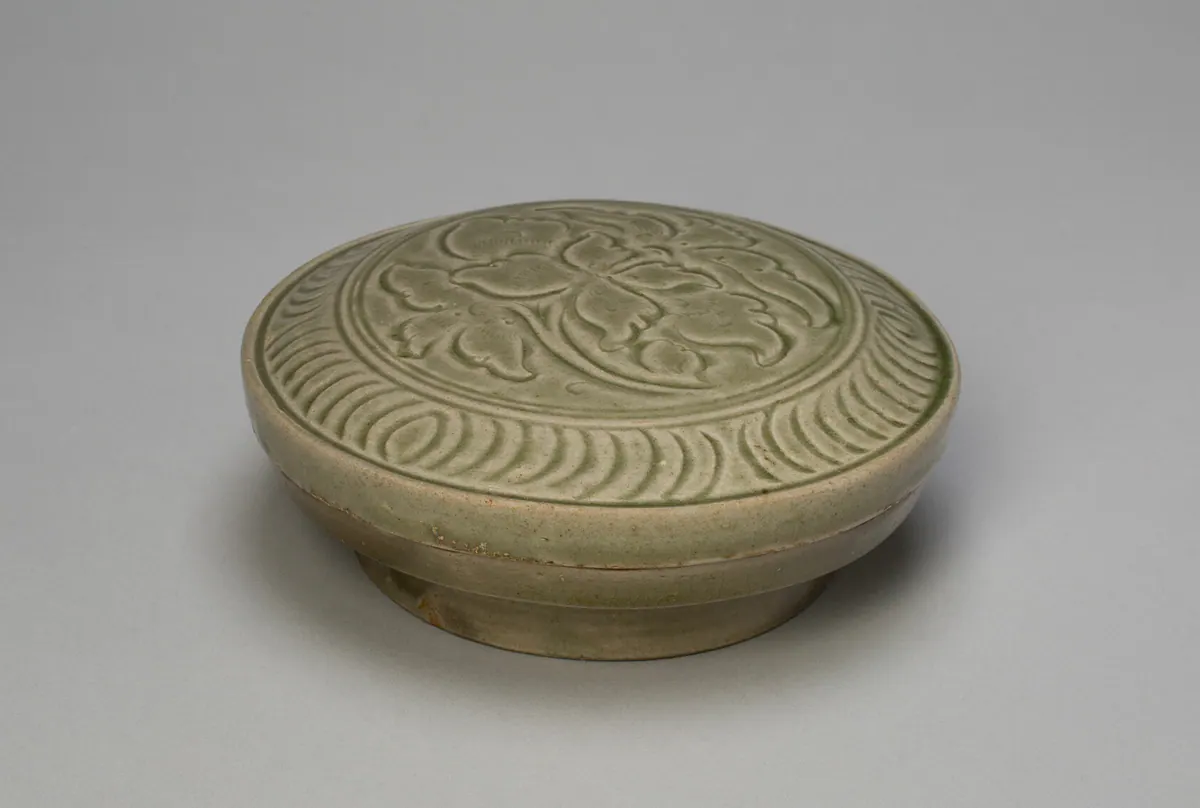
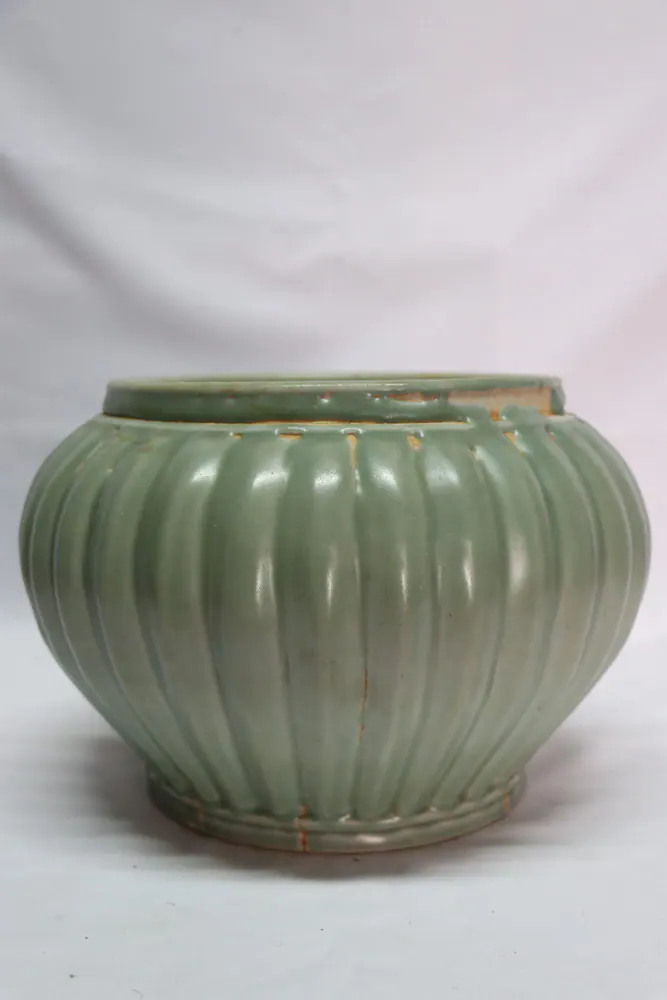
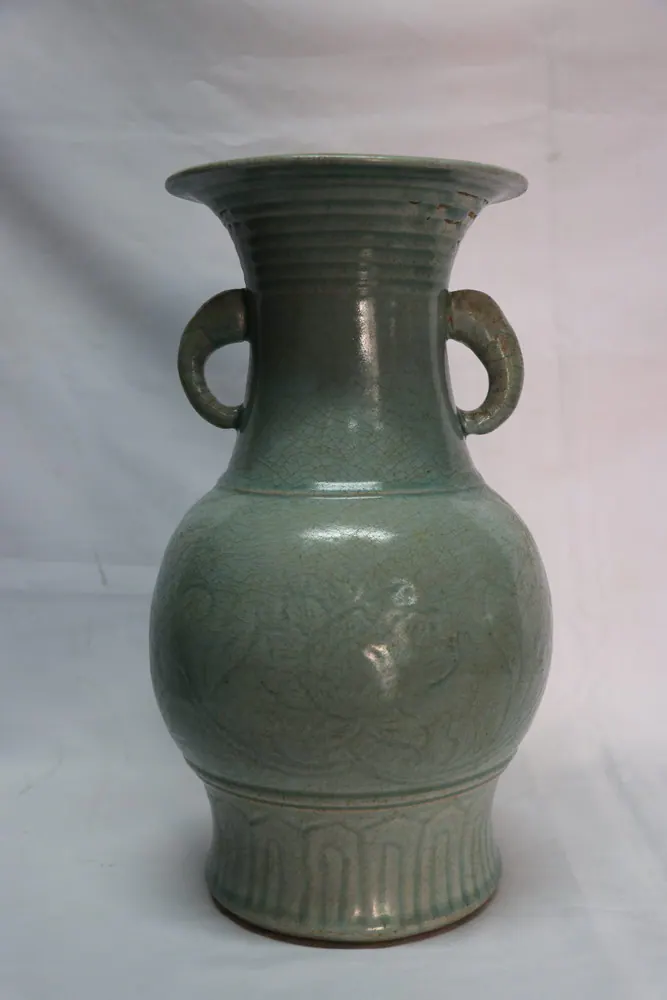
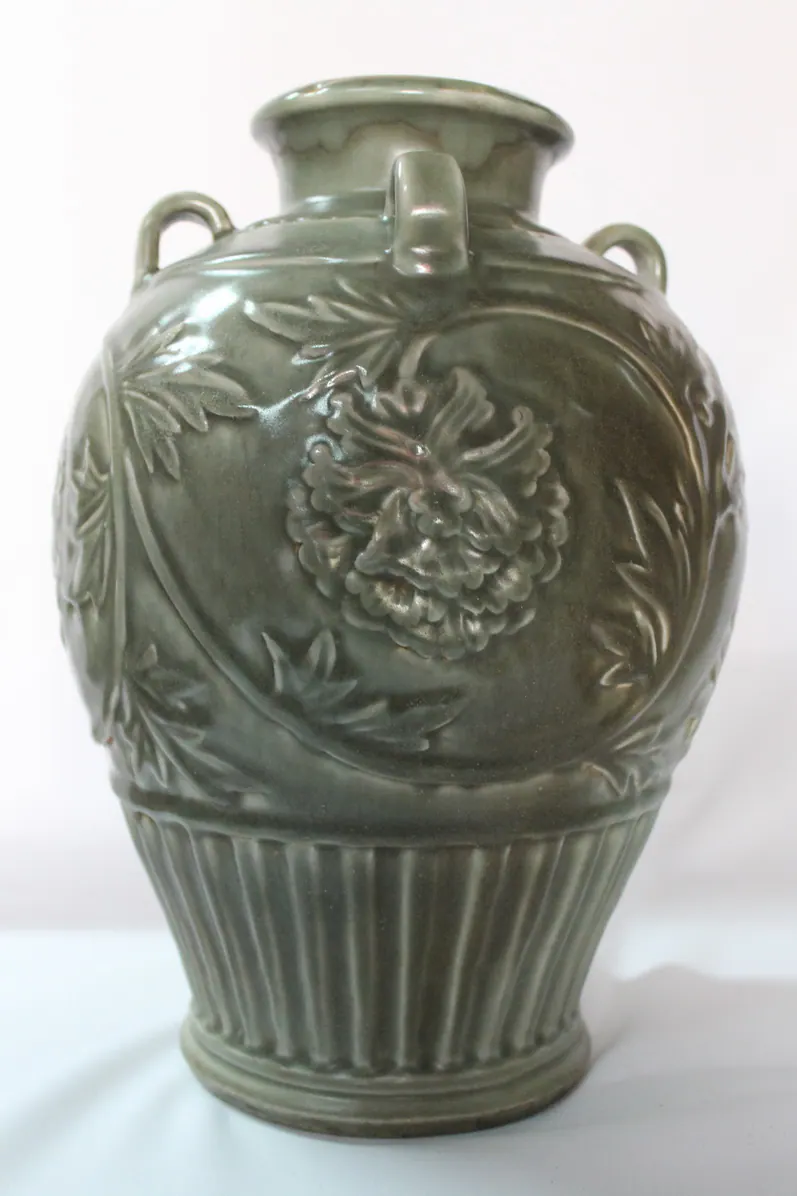
The best-documented Tang ceramics of Xizong's reign come from the crypt of the Famen Temple, west of Chang'an. The crypt held relics of the Buddha that the Tang emperors brought to the capital for veneration. When they were returned and the crypt was sealed in early 874, in the first months of Xizong's reign, the offerings placed with them included a group of pale olive-green Yue celadons. An inscribed inventory stone found with them describes these as mise, ‘secret colour’, a term known from Tang poetry whose meaning had long been debated. The discovery in 1987 settled what mise ware looked like, and it remains the standard reference for the finest Yue celadon.
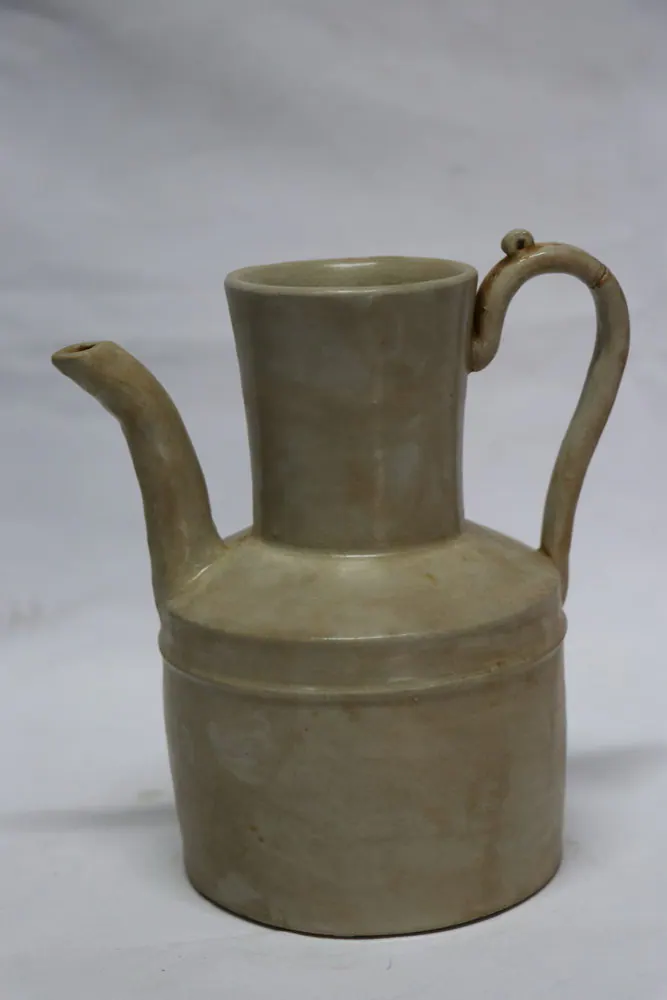
Beyond the court, the kilns of Changsha were producing wares painted under the glaze in brown and green, many of them for export by sea, while the northern kilns made fine white wares. Our article on Tang dynasty art and inventions gives a wider view of the period's crafts.