No contemporary portrait survives

Sui Dynasty617–618

Emperor Gong

義寧

Reign facts
Reigned
617–618 (1 year)
Lived
605–619
Personal name
Yang You 楊侑
Era name
Yining 義寧 617–618

Yang You (楊侑, 605–619), known as Emperor Gong of Sui, was placed on the throne at Chang'an in 617 by the general Li Yuan and abdicated in Li Yuan's favour in 618. He reigned under the era name Yining (義寧). Before his enthronement he was Prince of Dai.

Li Yuan went on to found the Tang dynasty. Because Yang You held no real power and was recognised only in the territory Li Yuan controlled, he is often left out of short lists of Sui rulers, which name only Emperor Wendi and Emperor Yang. The official history of the dynasty, the Book of Sui, nevertheless gives him an imperial annal of his own.

The Sui dynasty (581–618) reunified China after centuries of division. Emperor Wendi restored strong central government; his son Emperor Yang exhausted the country with vast building projects and failed wars in Korea. Yang You's brief reign belongs to the dynasty's collapse.

Who Was Emperor Gong of the Sui Dynasty?

Yang You was a grandson of Emperor Yang, the second Sui emperor, through the crown prince Yang Zhao. He was the youngest of Yang Zhao's three sons, all of whom were made imperial princes. When Yang Zhao died in 606, Emperor Yang did not name any of them crown prince in their father's place.

By Confucian rules of succession Yang You had the strongest claim, since his mother was Yang Zhao's principal wife, the Crown Princess. His elder brothers, Yang Tan and Yang Tong, were sons of concubines.

Caught in a Struggle for Power

Emperor Yang spent little time in the capital. As rebellion spread across the empire, the boy Yang You was left in nominal charge of Chang'an, with the official Wei Wensheng to help defend it.

In 617 Li Yuan, Duke of Tang and a senior general at Taiyuan, rose in revolt. He had reason to fear Emperor Yang: he had failed to hold back raids by the Eastern Turks, and a popular prophecy held that a man named Li would be the next ruler.

Li Yuan presented his rising as support for the Sui house and declared that he would make Yang You emperor. Wei Wensheng died while Li Yuan's army was advancing, and in the winter of 617 Li Yuan took Chang'an and the young prince with it. He proclaimed Yang You emperor and gave Emperor Yang the honorary title of retired emperor.

Outside Li Yuan's territory, however, Emperor Yang was still recognised as the ruler.

The Puppet Emperor

Real authority lay entirely with Li Yuan, who had himself created Prince of Tang and took control of the government. Commanderies in present-day Shaanxi, Sichuan and Chongqing soon submitted to the new regime.

Little is recorded of the government in Yang You's name beyond Li Yuan's campaigns, as Sui loyalists fought both Li Yuan and the other rebel armies that had risen against Emperor Yang.

The Li family was one of the great military families of the Sui. What drove such families to rebel was not ambition alone but also the harshness of Emperor Yang's rule.

The Rise of the Tang Dynasty

In the spring of 618 Emperor Yang was murdered at Jiangdu by his own officers. Soon afterwards Li Yuan had Yang You abdicate in his favour and proclaimed the Tang dynasty, reigning as Emperor Gaozu.

In the east, Yang You's brother Yang Tong, Prince of Yue, was proclaimed emperor at Luoyang, and the Sui cause lingered there into 619. Yang You himself was given the title Duke of Xi and died in 619, a year after the Sui fell.

Ceramics of the Reign

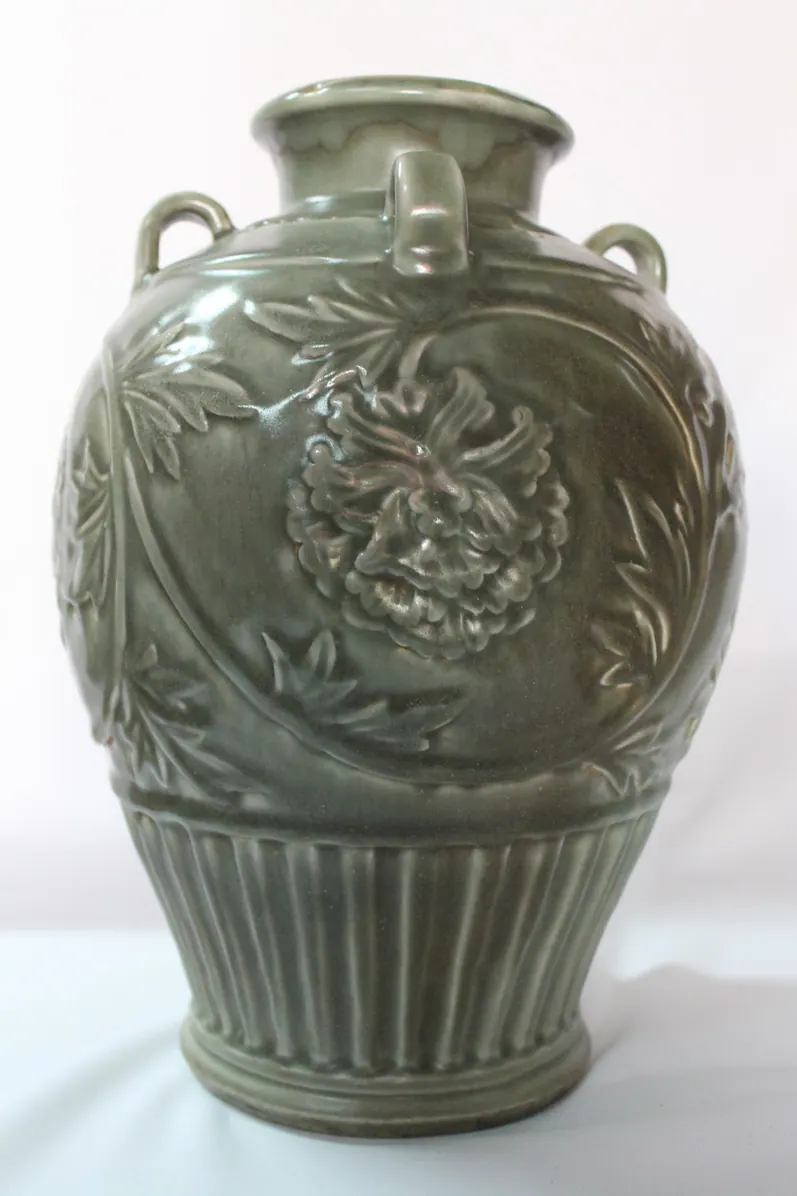
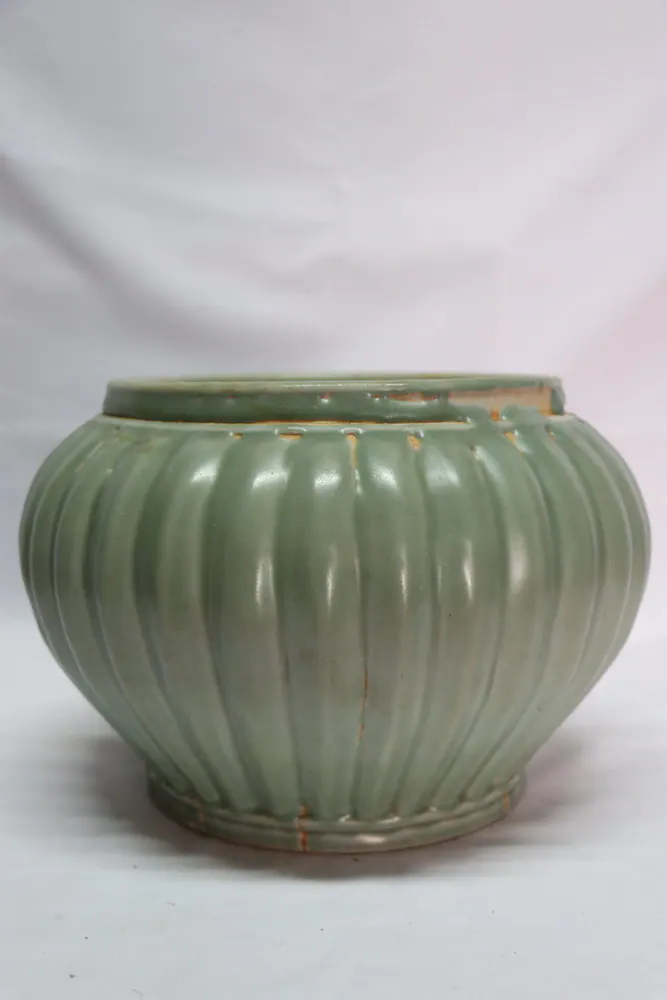
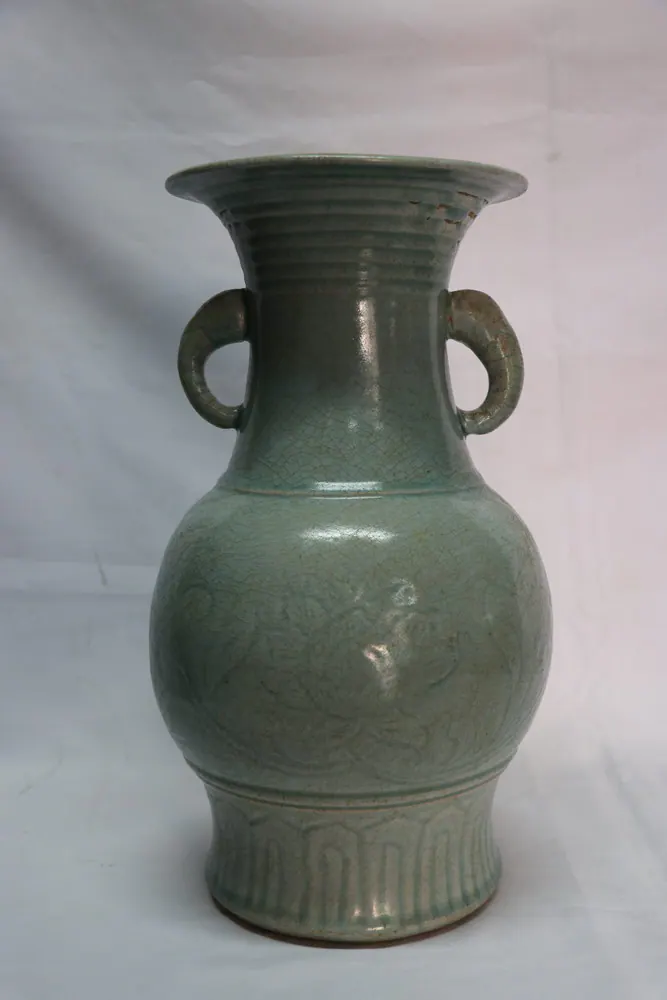
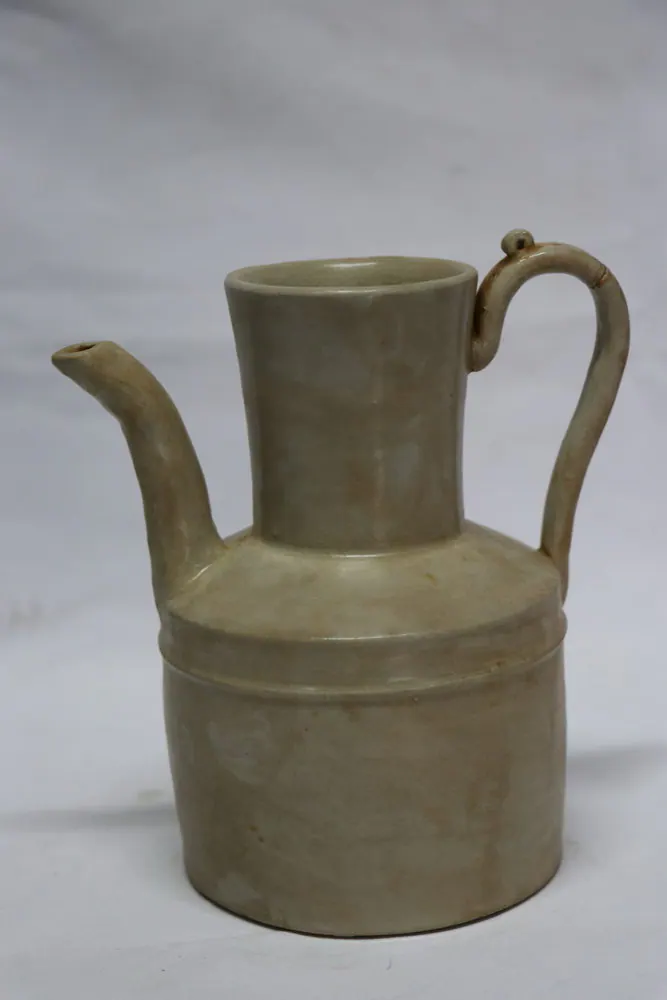
Yang You's few months as emperor left no mark on Chinese ceramics, but the Sui dynasty as a whole was an important period. In northern China potters were refining the white wares that had first appeared under the Northern Qi, and Sui tombs have yielded some of the earliest white wares that can properly be called porcelain, with a clean white body and a clear glaze. In the south, kilns in Zhejiang and Jiangxi made green-glazed stonewares.

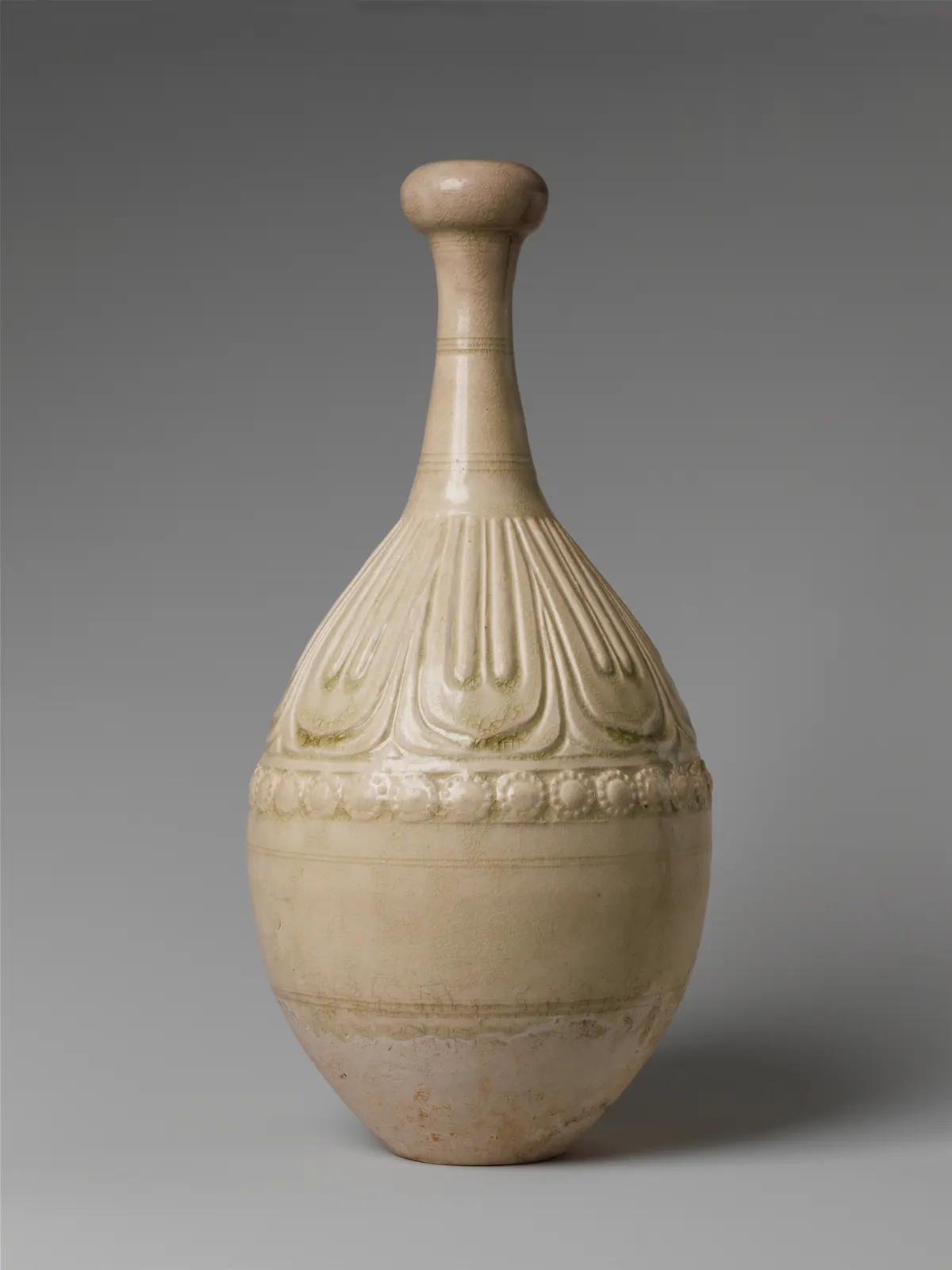
A tall Sui dynasty stoneware bottle with a bulbous mouth on a slender neck, carved on the shoulder with overlapping lotus petals above a band of small rosettes, under a pale glaze.
Museum exampleA pale-glazed stoneware bottle carved with lotus petals, dated by the museum to the Sui dynasty (581–618), in whose last months Yang You reigned briefly at Chang'an.The Metropolitan Museum of Art, 2006.426. Public domain.

Many surviving Sui pieces come from tombs in Shaanxi and Henan: tall bottles and jars, often carved or moulded with lotus petals, a Buddhist motif, and earthenware tomb figures under a straw-coloured glaze. These traditions passed directly to the Tang.

The wares that followed: Song porcelain

View all pieces in the collectionAsk about a piece

Be the first to see new pieces

Join our collectors' list for new arrivals, rare finds and private offers.