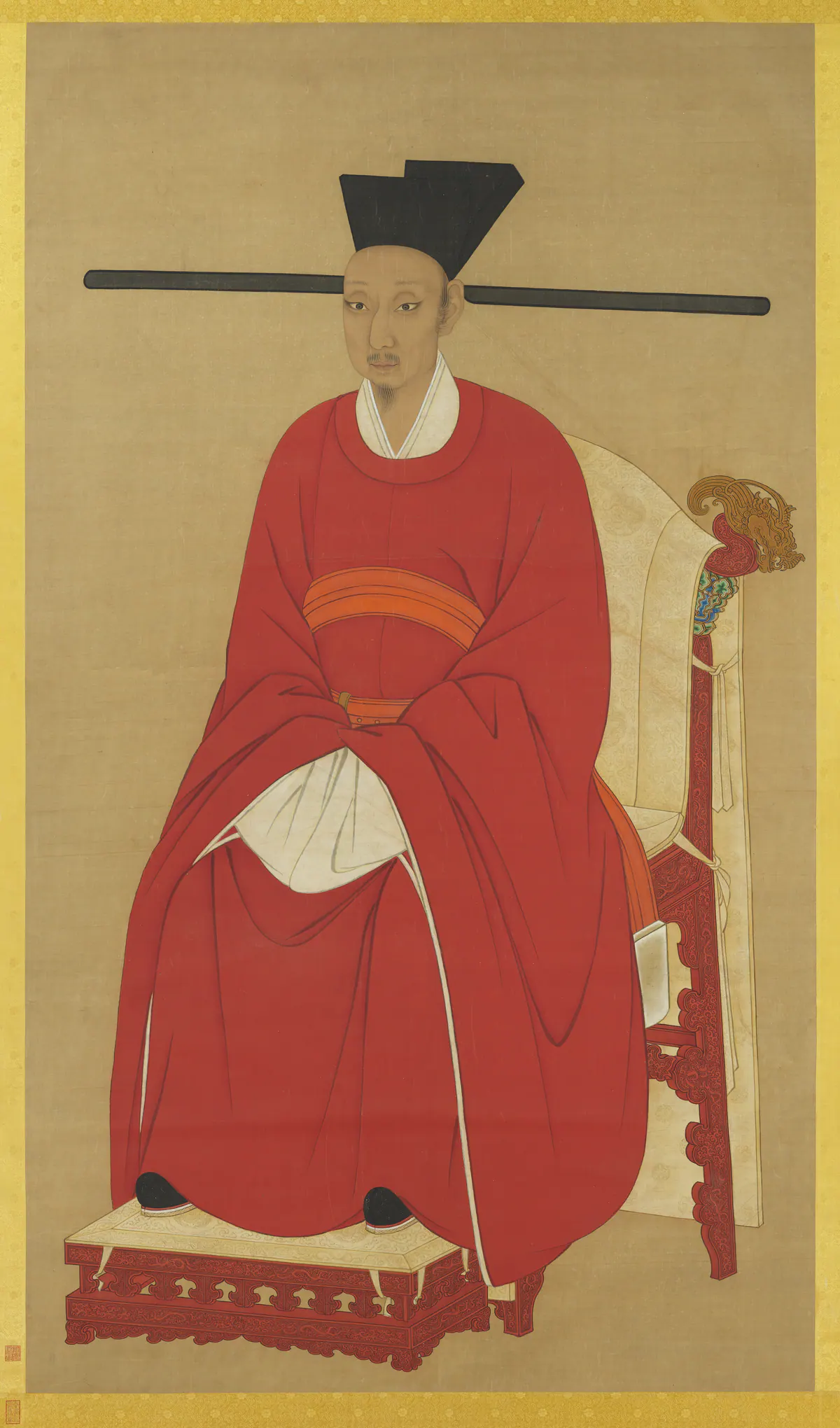
Seated court portrait of Emperor Ningzong of Song in a red robe and black winged hat on a carved chair
Portrait: public domain, via commons.wikimedia.org

Southern Song1194–1224

Emperor Ningzong

慶元 · 嘉泰 · 開禧 …

Reign facts
Reigned
1194–1224 (30 years)
Lived
1168–1224
Personal name
Zhao Kuo 趙擴
Temple name
Ningzong 寧宗
Era names
Qingyuan 慶元 1195–1200Jiatai 嘉泰 1201–1204Kaixi 開禧 1205–1207Jiading 嘉定 1208–1224

Emperor Ningzong, born Zhao Kuo in November 1168, was the thirteenth emperor of the Song dynasty and the fourth of the Southern Song. He reigned from 1194 until his death in 1224.

He was the son of Emperor Guangzong and came to the throne in 1194, when senior officials, with the backing of the grand empress dowager, forced his father to abdicate. Like Guangzong, he was a weak ruler who left government largely to others: first to the minister Han Tuozhou, then after 1207 to the chancellor Shi Miyuan, with Empress Yang also wielding considerable influence.

Court, Scholarship and Succession

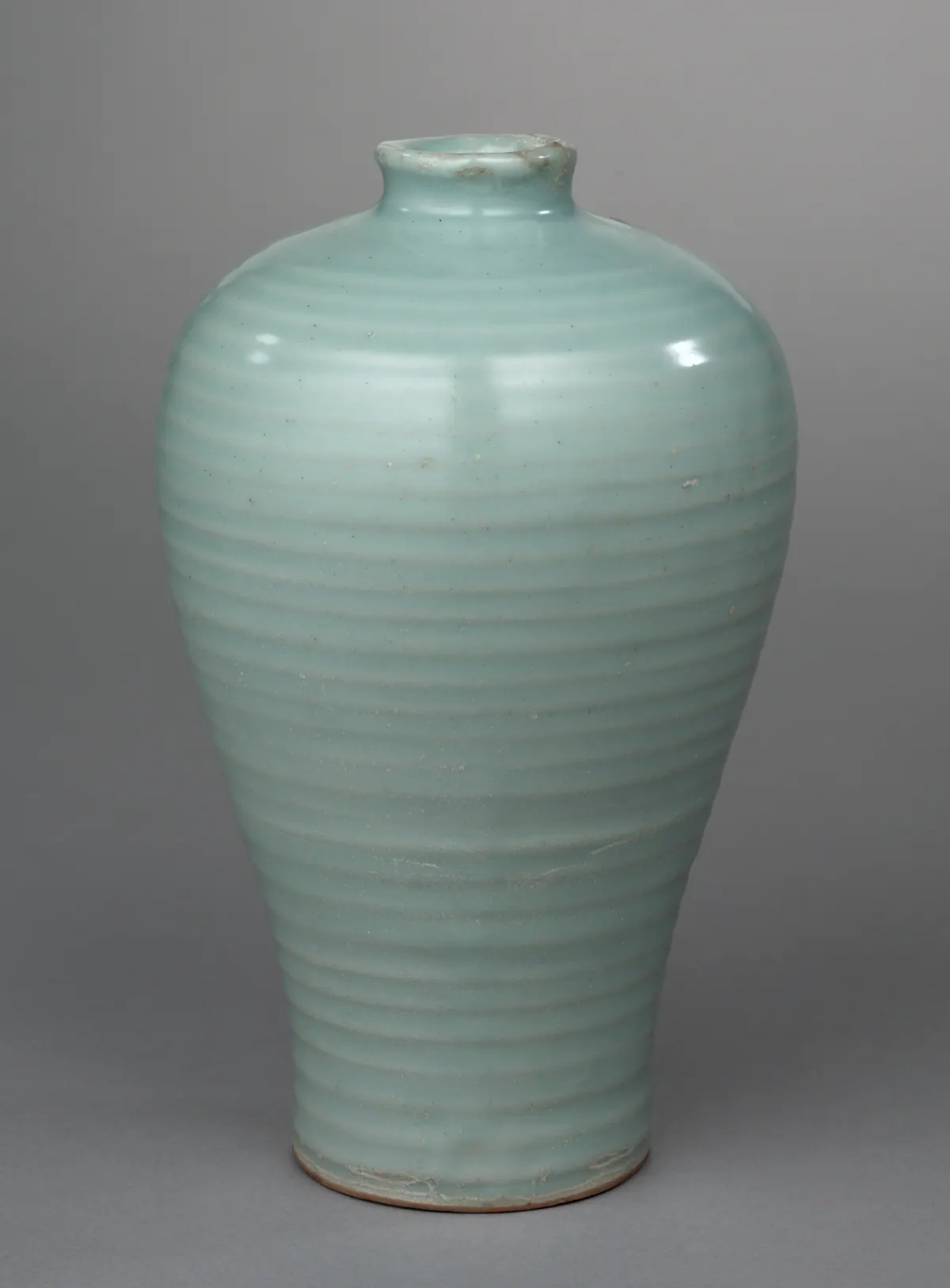
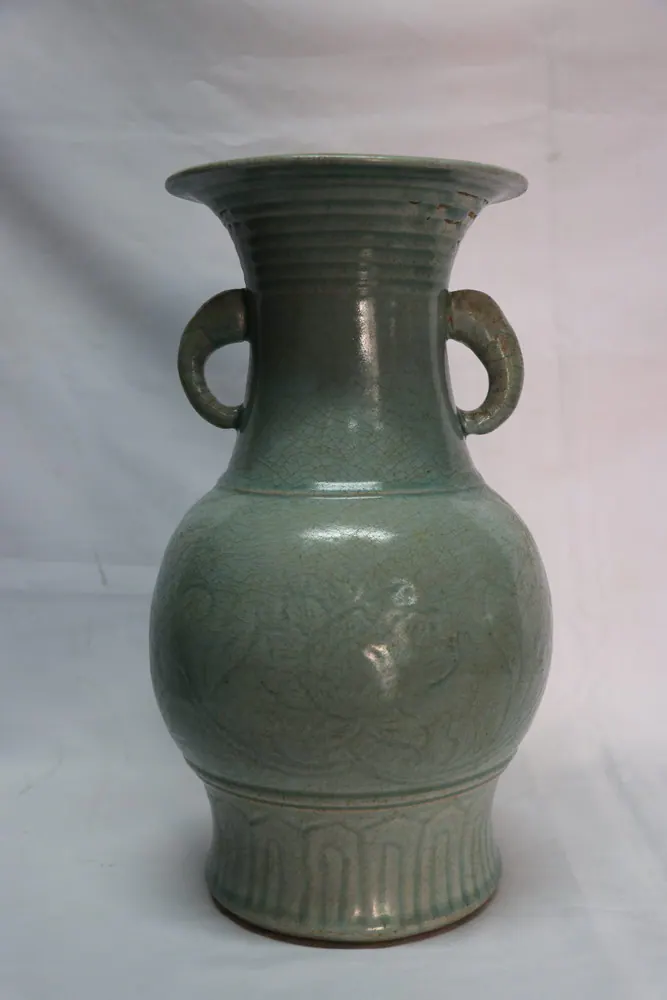
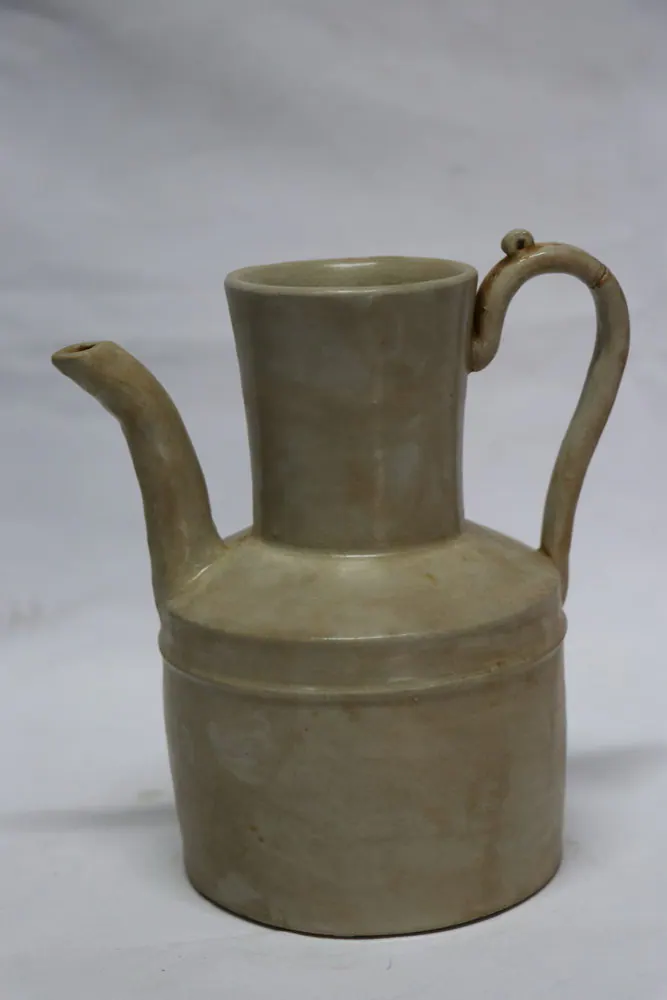
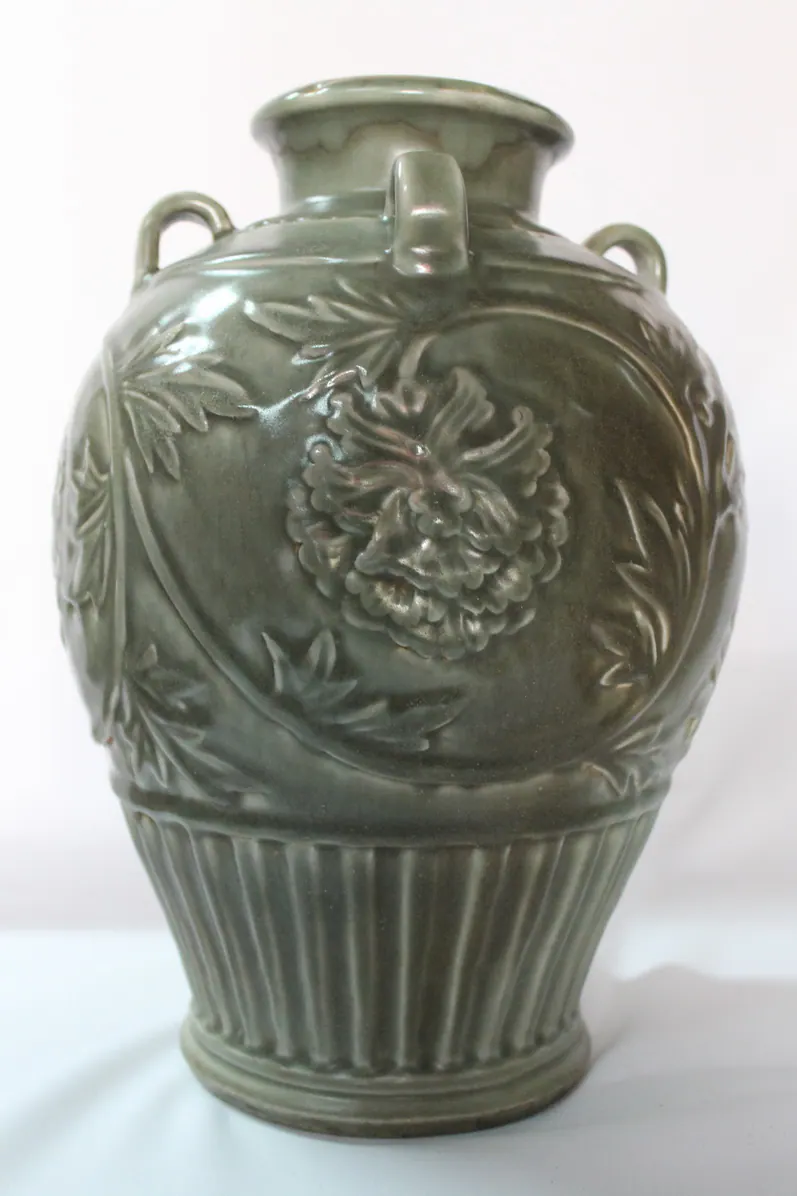
Ningzong's long reign fell in a period of cultural and intellectual vitality in the Southern Song, centred on the capital at Hangzhou. The Longquan kilns in Zhejiang were producing some of their finest celadons in these decades, and Song celadon wares in our Song dynasty porcelain collection give a sense of the taste of the period.

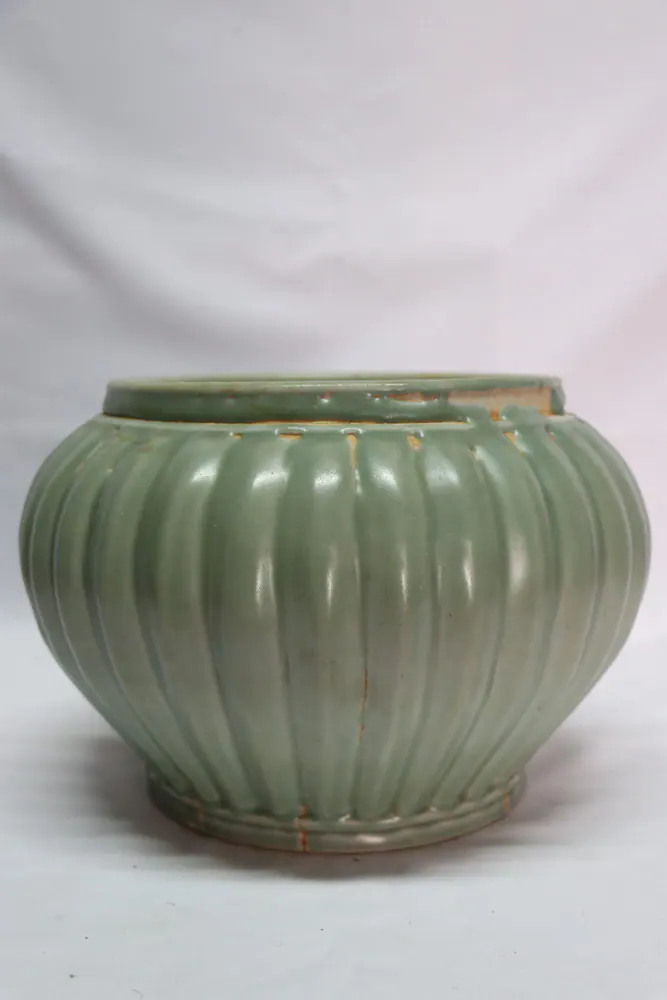
A Longquan celadon meiping vase with a small neck and a tapering body, its thick, soft pale blue-green glaze over a body ribbed with broad horizontal ridges.
Museum exampleLongquan celadon meiping vase from Zhejiang, 1200s, its thick glaze built up in many coats, from the decades when Longquan made some of its finest celadons.Cleveland Museum of Art, 1957.52. Public domain (CC0).

At court, the reign was marked by a struggle over Neo-Confucianism. Soon after the accession, Han Tuozhou drove the chancellor Zhao Ruyu from office, and in the Qingyuan era (1195–1200) the teachings of Zhu Xi and his followers were banned as "false learning". The ban was relaxed in the early 1200s, and after Han's fall Zhu Xi's school returned to favour.

The government also struggled with rising inflation, while the Jurchen Jin state to the north remained a constant threat.

None of Ningzong's sons survived infancy. In 1197 he adopted a young kinsman, Zhao Xun, who was later named crown prince but died in 1220. Another kinsman, Zhao Hong, was then chosen as heir.

Han Tuozhou and the War with the Jin

Han Tuozhou, who was related to the imperial family by marriage, dominated the court for more than a decade. His great ambition was to recover the northern territories lost to the Jurchens some eighty years earlier.

The Kaixi War, 1206–1208

Believing that the Jin had been weakened by natural disasters, Han encouraged raids across the border and formally declared war in June 1206. The Song offensive soon stalled. Despite their own difficulties, the Jin repulsed the attacks and launched counter-attacks of their own.

Song morale fell, supplies ran short and many soldiers deserted.

In December 1206 Wu Xi, the commander in Sichuan who guarded the western front, defected to the Jin. Before the Jin could take over his territory, he was assassinated by Song loyalists in March 1207.

By the end of 1207 the war had reached a stalemate: the Song were on the defensive, and the Jin could make no lasting gains in Song territory. The failure cost Han Tuozhou his life. In December 1207 he was beaten to death by palace guards, in a plot organised by Shi Miyuan with the support of Empress Yang.

The Peace of 1208

The peace treaty signed in 1208 restored the Song's annual payments to the Jin and raised them to 300,000 taels of silver and 300,000 bolts of silk a year. The Jin, who held Han responsible for the war, also demanded his head, and the Song sent it north.

In 1211 the Mongols, formerly tributaries of the Jin, attacked them. As the Jin lost ground, the Song stopped paying tribute but took care not to provoke open war. In 1217 the Jin, seeking to make up for their losses in the north, attacked the Song.
Death and Succession

Emperor Ningzong fell ill and died in 1224. Shi Miyuan then set aside the designated heir, Zhao Hong, and placed another distant kinsman on the throne: Zhao Yun, who reigned as Emperor Lizong. Shi remained the dominant figure at court until his death in 1233.

From the Song Dynasty

View all Song Dynasty PorcelainAsk about a piece

Be the first to see new pieces

Join our collectors' list for new arrivals, rare finds and private offers.