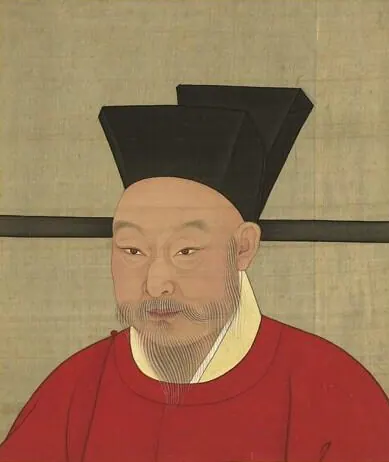
Portrait: public domain, via wikipedia.org

Southern Song1189–1194

Emperor Guangzong

紹熙

Reign facts
Reigned
1189–1194 (5 years)
Lived
1147–1200
Personal name
Zhao Dun 趙惇
Temple name
Guangzong 光宗
Era name
Shaoxi 紹熙 1190–1194

Zhao Dun (趙惇, 1147–1200), known by his temple name Guangzong, reigned from 1189 to 1194 under the era name Shaoxi. He was the twelfth emperor of the Song dynasty and the third of the Southern Song.

He was the third son of Emperor Xiaozong (personal name Zhao Shen) and of Xiaozong's first wife, Lady Guo, who was posthumously honoured as Empress Chengmu. His short reign was peaceful abroad but troubled at court. Ill health, the domineering influence of his empress and a bitter estrangement from his father ended with his officials forcing him from the throne.

The Reign

Zhao Dun came to the throne in 1189, when his father abdicated and retired. He was already in his forties, and his health, both physical and mental, was poor. Much of the real authority at court passed to his wife, Empress Li.

Empress Li

At first Guangzong regularly attended his father at banquets and on excursions, as filial custom required. That changed under the influence of Empress Li (Li Fengniang), whom the traditional histories portray as jealous, shrewd and ruthless. She came to dominate the government through her husband, and he has been remembered as a weak ruler under his wife's control.

In 1191, according to the histories, the empress had the emperor's favourite, Consort Huang, killed while he was away from the palace. The shock left Guangzong ill and confined to his bed, and the empress took charge of state business herself.

She also worked to keep father and son apart. Xiaozong had rebuked her sharply for her conduct, and she told Guangzong that his father meant to have her removed. When Xiaozong sent medicine for his son, she suggested that it might be poisoned. From then on Guangzong found excuse after excuse not to visit the retired emperor.

Southern Drama

Guangzong's reign is associated with the beginnings of nanxi, the "southern drama" of the Wenzhou region on the southeast coast, one of the earliest forms of Chinese opera. One early account dates its origins to his reign, although other writers place them earlier. Nanxi combined local folk songs, ballads and sung stories with the older traditions of mime, dance and song, used everyday language, and told its stories in long sequences of scenes.

Abdication and Death

When the retired emperor Xiaozong fell ill, Guangzong refused to visit him, and the neglect is said to have made his father's illness worse. Xiaozong died in 1194. Guangzong would not preside over the mourning rites or wear mourning dress, a grave offence against filial duty that scandalised his officials.

Led by the minister Zhao Ruyu and the official Han Tuozhou, and with the authority of Grand Empress Dowager Wu, the widow of Emperor Gaozong, the court forced Guangzong to abdicate in 1194 in favour of his only surviving son, Zhao Kuo, who reigned as Emperor Ningzong. The official explanation was that illness prevented the emperor from performing the rites.

Guangzong lived on in retirement and died in 1200. He was buried with the other Southern Song emperors near Shaoxing, in Zhejiang.

Ceramics of the Southern Song

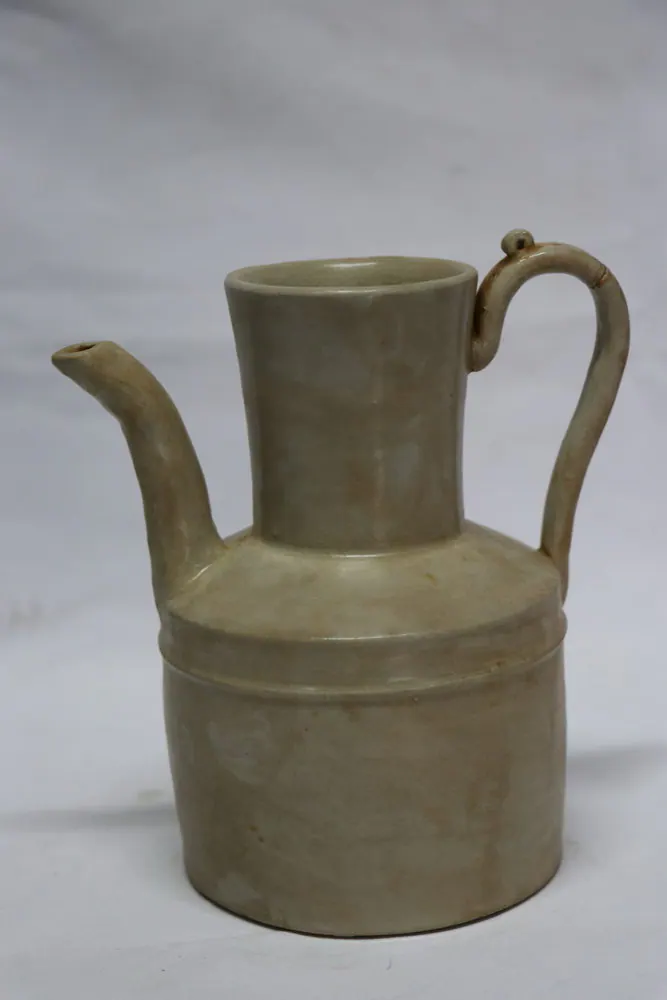
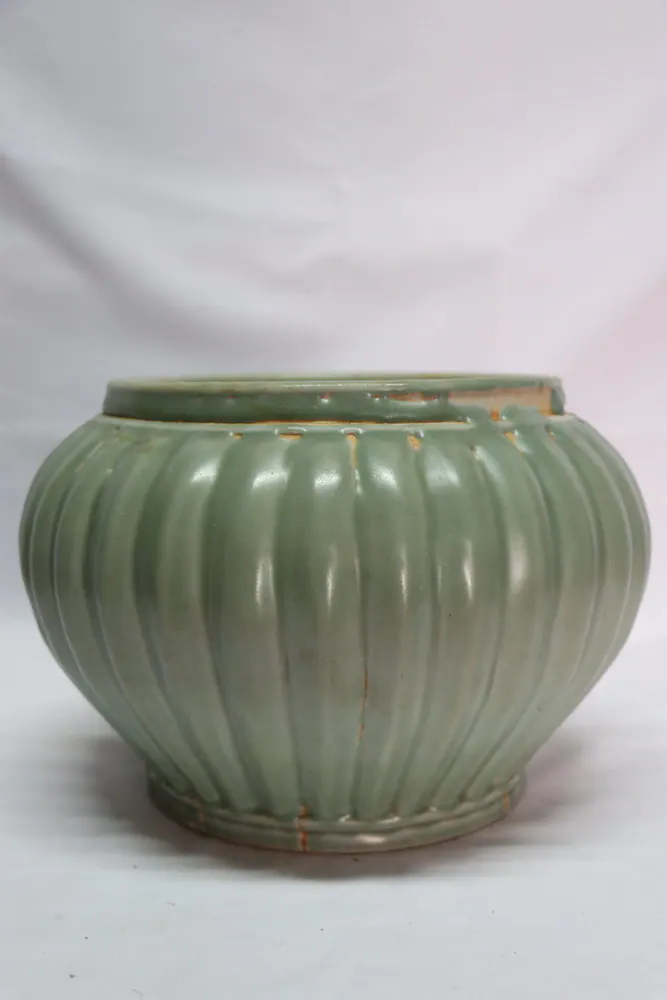
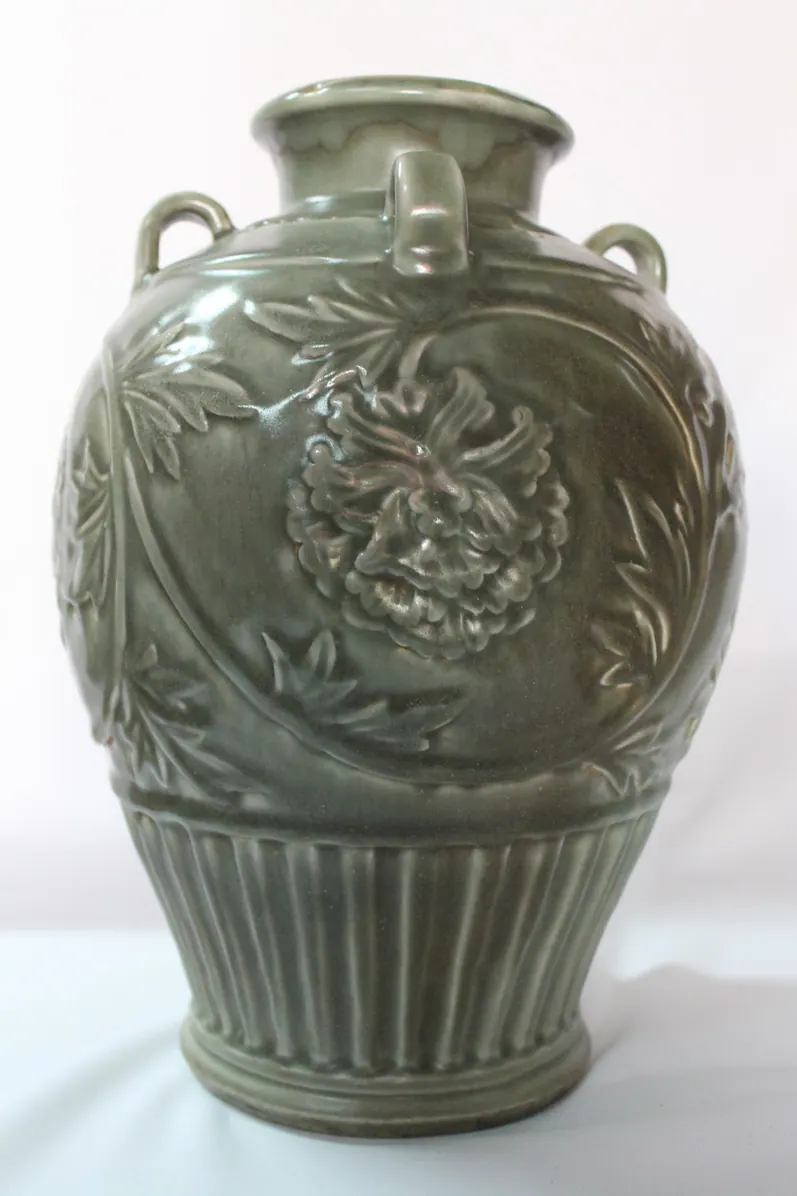
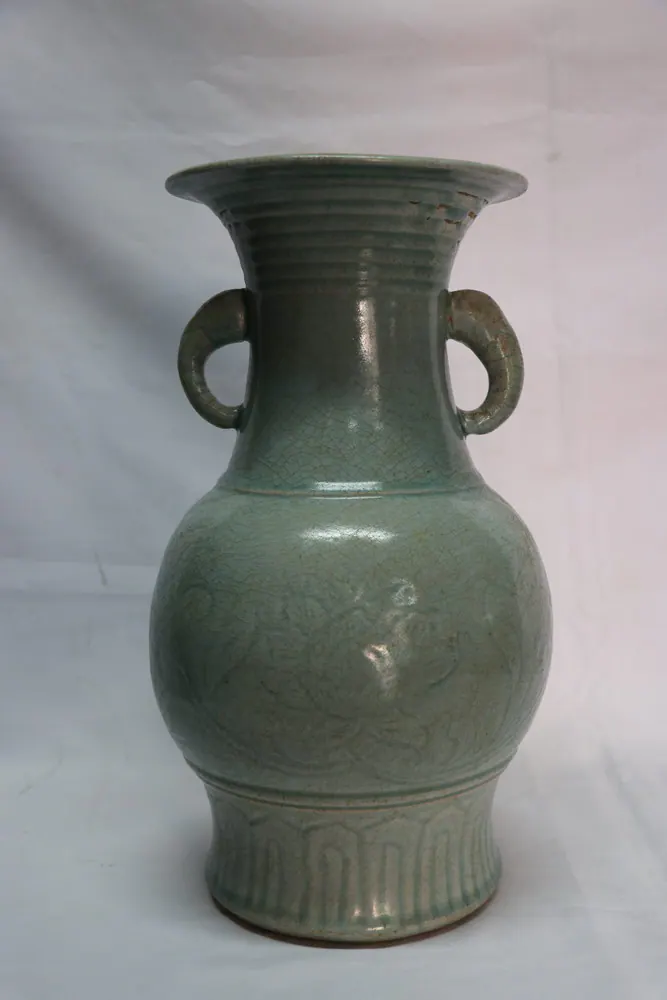
Song porcelain carries no reign marks, so no piece can be attributed to Guangzong's five years by inscription. His reign falls within the great period of Southern Song ceramics: the crackled Guan ware of the official kilns at the capital, Hangzhou; the green Longquan celadons of Zhejiang; and the bluish-white qingbai porcelain of Jingdezhen. Examples of the period can be seen among our Song dynasty porcelain.

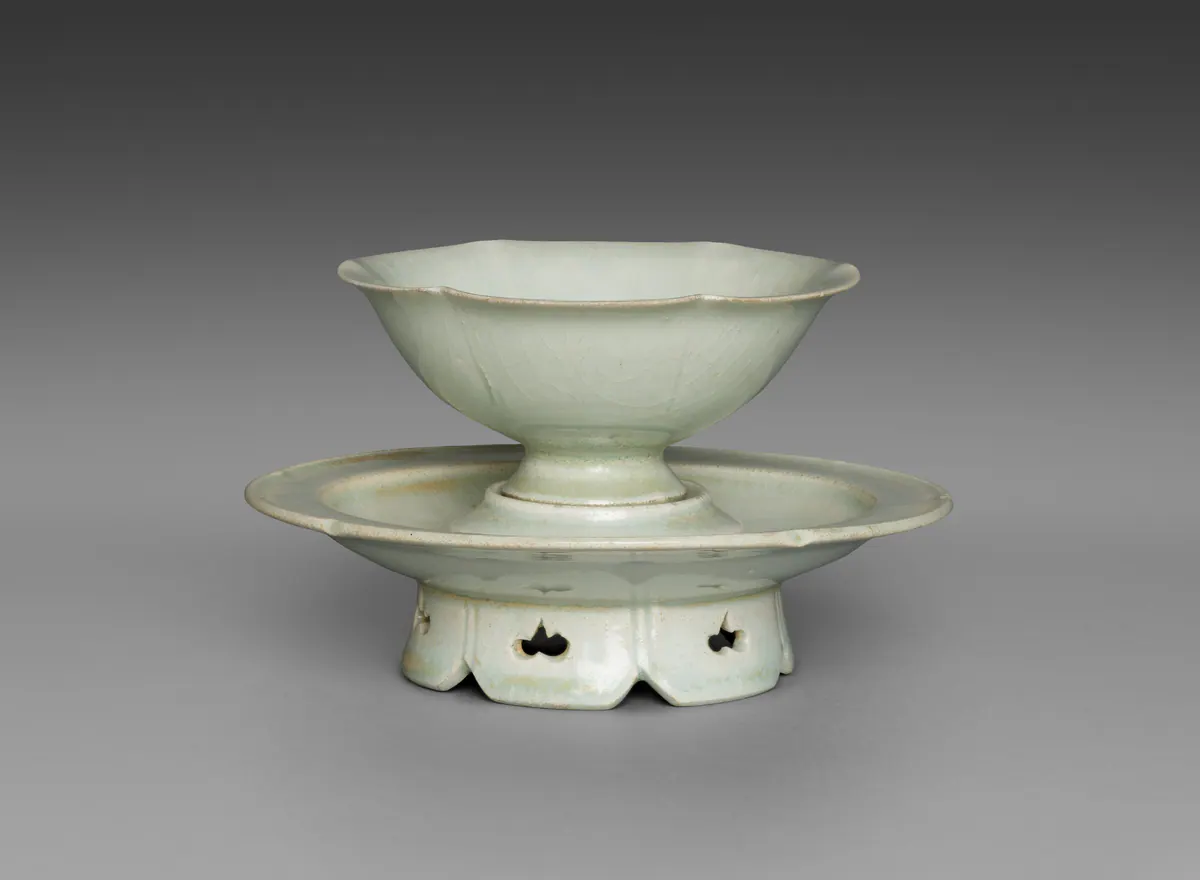
A qingbai porcelain cup with a lobed rim on a tall foot, set in a wide dished stand whose hollow base is pierced with small openings, all under a pale bluish-white glaze.
Museum exampleQingbai porcelain cup and stand made at Jingdezhen in the 1100s, the century of Guangzong's brief reign, in the pale bluish-white glaze that gives the ware its name.Cleveland Museum of Art, 1980.185. Public domain (CC0).

From the Song Dynasty

View all Song Dynasty PorcelainAsk about a piece

Be the first to see new pieces

Join our collectors' list for new arrivals, rare finds and private offers.