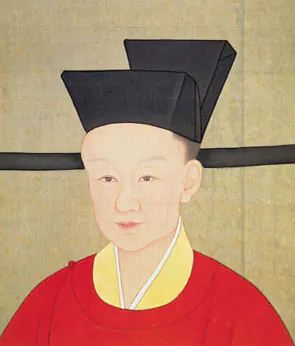
Portrait: public domain, via wikipedia.org

Southern Song1264–1274

Duzong Emperor

咸淳

Reign facts
Reigned
1264–1274 (10 years)
Lived
1240–1274
Personal name
Zhao Qi 趙禥
Temple name
Duzong 度宗
Era name
Xianchun 咸淳 1265–1274

Zhao Qi (趙禥), known by his temple name Duzong, was the fifteenth emperor of the Song Dynasty and the sixth of the Southern Song. He reigned for ten years, from 1264 to 1274, using the era name Xianchun (咸淳) from 1265.

According to the official history of the Song, his mother, Huang Dingxi, was a concubine of low rank who feared for her position when she became pregnant, and took drugs in an attempt to end the pregnancy.

The attempt failed, but the history records that the child was born weak in body and mind. His hands and feet were feeble and he moved awkwardly, he did not speak until he was seven, and he was never thought capable of ruling on his own.
How the Duzong Emperor Came to the Throne

Zhao Qi was born in 1240, the son of Zhao Yurui, a younger brother of Emperor Lizong. Lizong had no surviving son, and in 1253 he adopted his nephew as his heir, naming him crown prince in 1260.

When Lizong died in 1264, Zhao Qi succeeded him.

A Reign of War and Neglect

Duzong's reign was dominated by the war with the Mongols and by his chancellor, Jia Sidao, whom many officials accused of corruption and of hiding the truth about the war.

The emperor nonetheless trusted Jia completely. He addressed him as his teacher, and when Jia threatened to resign, Duzong is said to have begged him to stay.

In practice Duzong left all affairs of state and of the army to Jia Sidao. He sometimes called on his officials to speak frankly about the problems of the empire, but little came of it.

The histories describe him as devoted to wine and to the women of the palace. By a palace custom, a woman who had spent the night with the emperor gave thanks at the palace gate the next morning, and a well-known anecdote claims that on one occasion more than thirty did so.

The Siege of Xiangyang

The Mongols had been attacking the Song for decades. Under Kublai Khan they concentrated on Xiangyang and its twin city Fancheng, which guarded the Han River, the main route south to the Yangtze.

The siege began in 1268 and lasted five years. The Song commander, Lü Wenhuan, held out while relief expeditions failed to break through. Jia Sidao is said to have kept the true state of the siege from the emperor.

The end came when the Mongols brought in engineers from the Islamic world, who built counterweight trebuchets able to throw heavy stones against the walls. Fancheng fell, and early in 1273 Lü Wenhuan surrendered Xiangyang.

With Xiangyang in their hands, the Mongols controlled the Han River and could move down it onto the Yangtze, the natural barrier on which the defence of the Southern Song depended. The capital, Lin'an, fell in 1276, and the last Song resistance was destroyed at the Battle of Yamen in 1279.

End of Duzong's Reign

Duzong died in 1274, at the age of thirty-four. The traditional histories blame his early death on drink and excess.

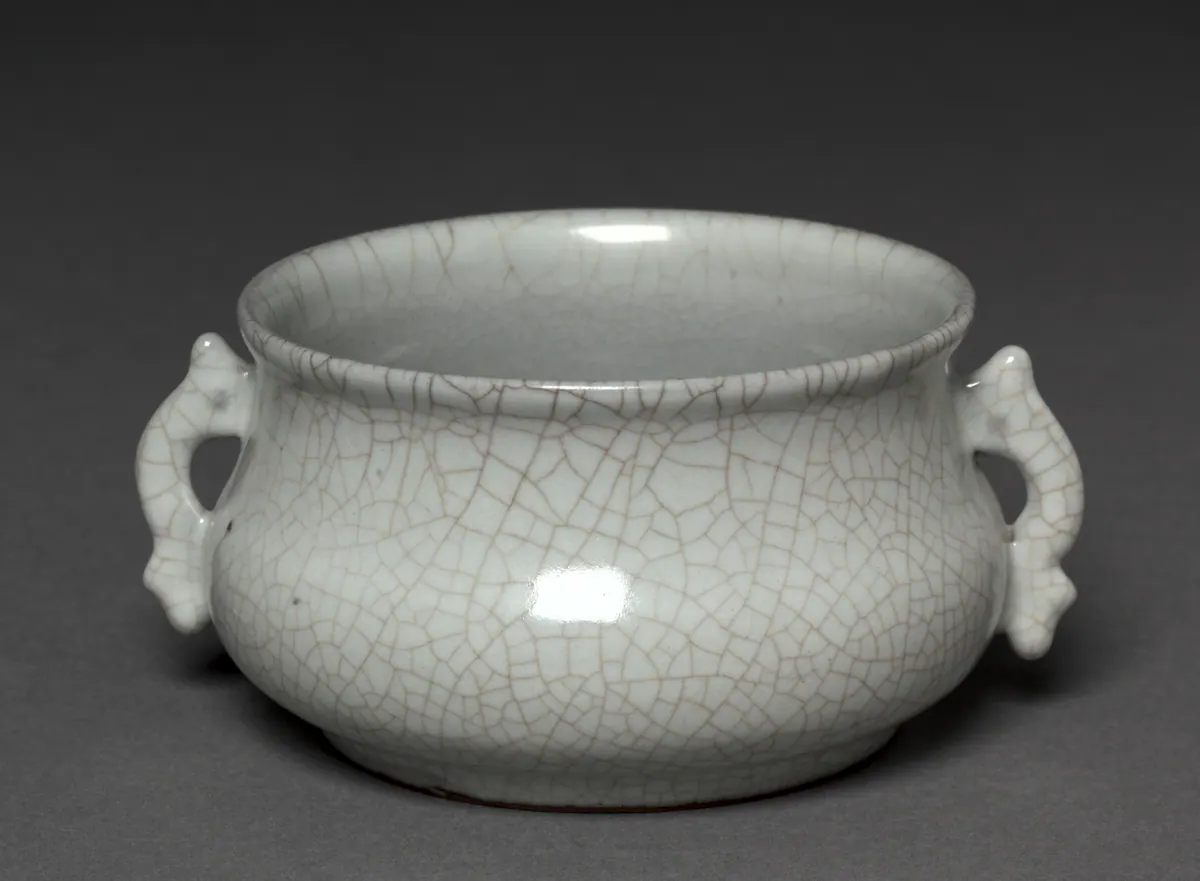
A small Guan ware incense burner of squat round form with two handles, its thick, pale grey glaze covered in a dense network of light brown crackle.
Museum exampleGuan ware incense burner from Hangzhou, 1200s, with a densely crackled grey glaze, an official ware made near the capital in the last century of the Southern Song.Cleveland Museum of Art, 1957.63. Public domain (CC0).

His three young sons were placed on the throne in turn by the dwindling Song court: Emperor Gong, who succeeded him in 1274, and later Duanzong and Bing.

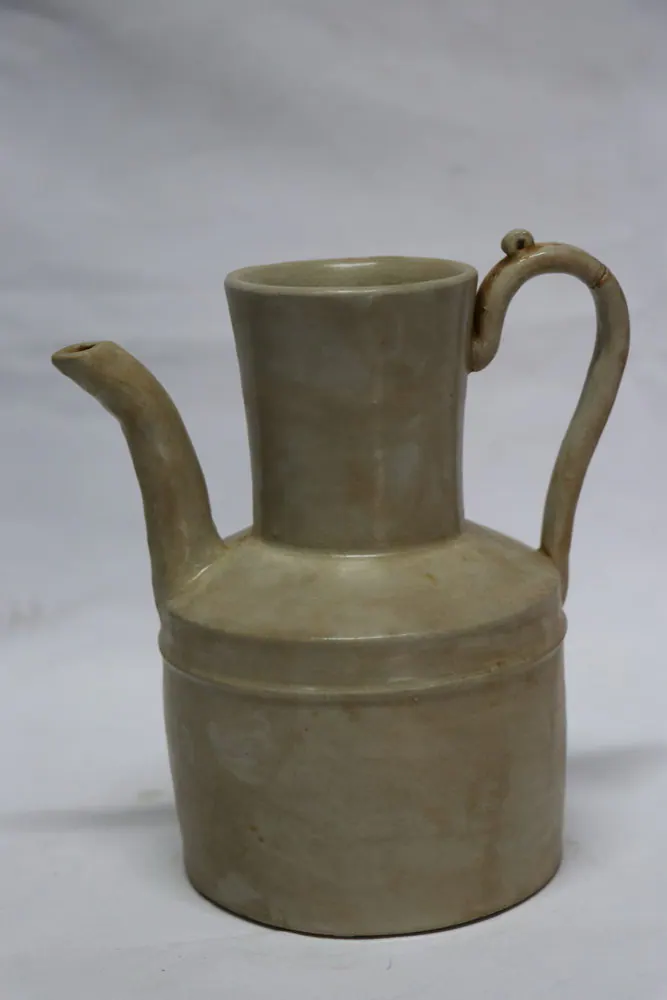
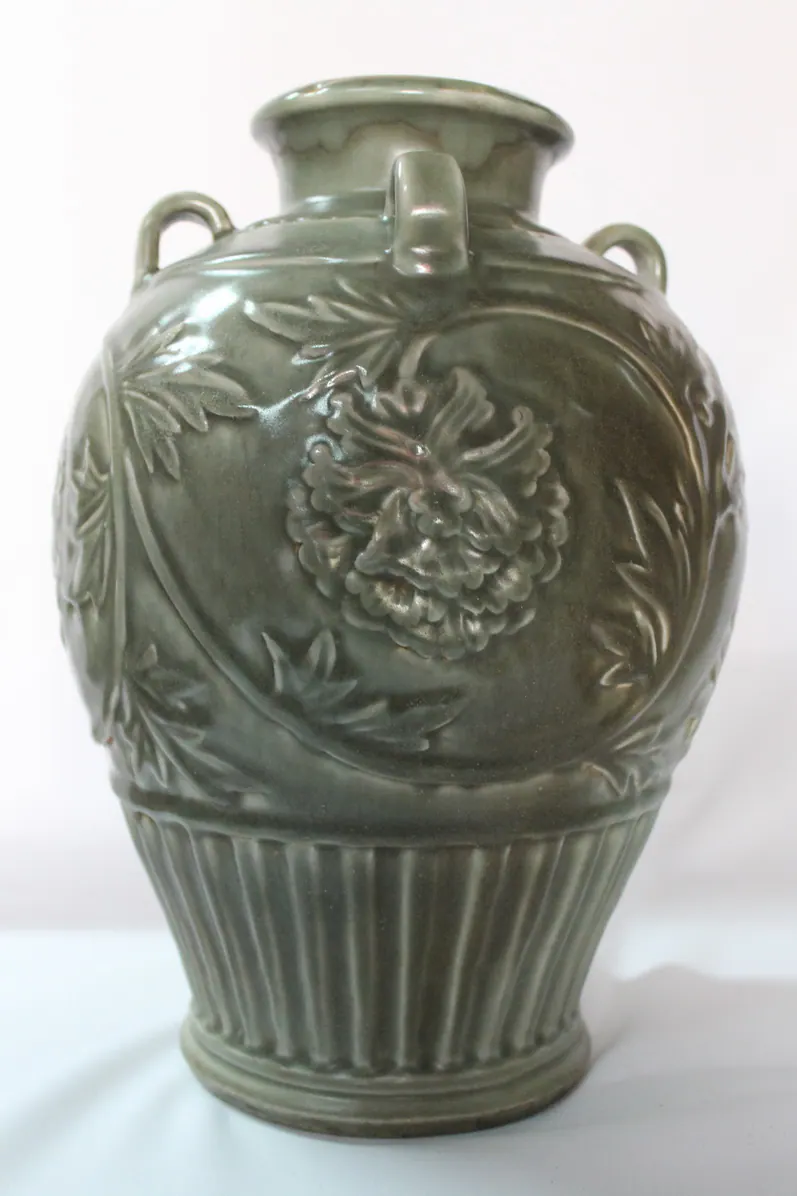
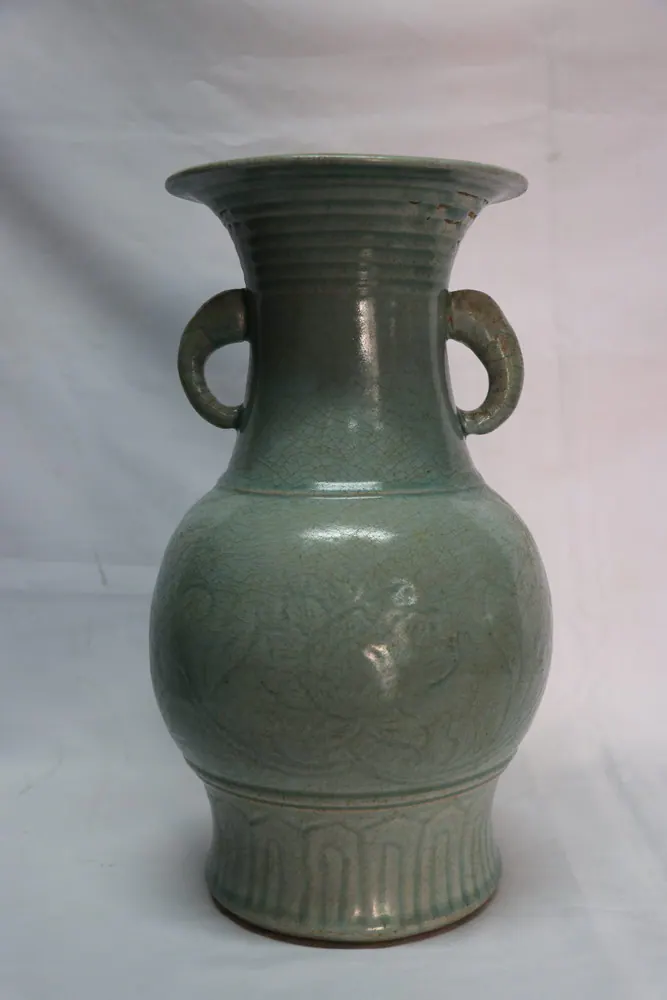
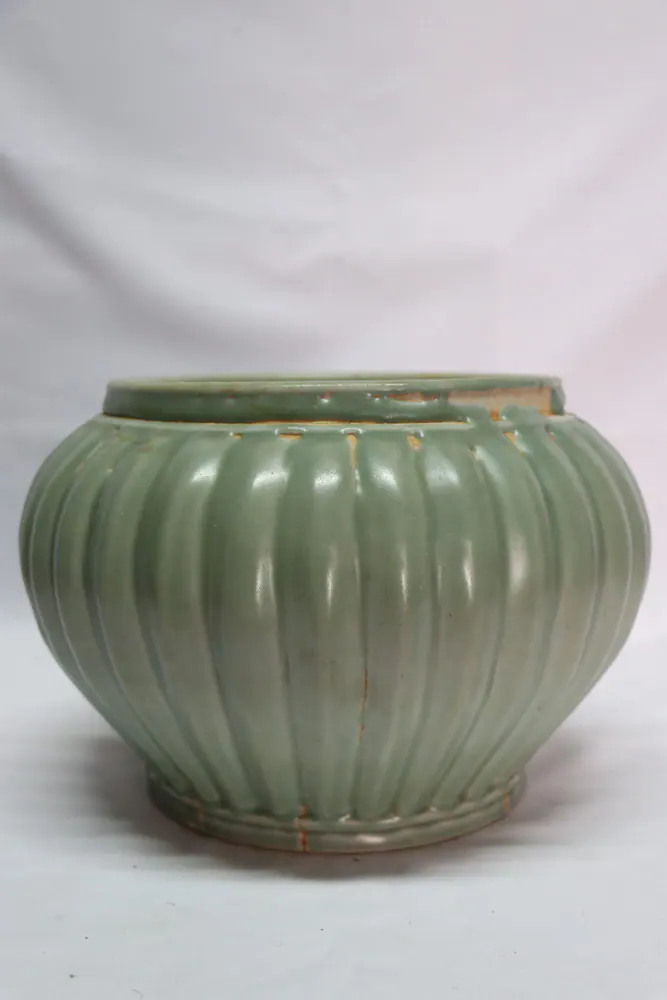
His reign falls within the last great period of the Southern Song kilns, when celadons from Longquan and the official wares made near Hangzhou were at their finest. You can see examples in our Song dynasty porcelain collection.

From the Song Dynasty

View all Song Dynasty PorcelainAsk about a piece

Be the first to see new pieces

Join our collectors' list for new arrivals, rare finds and private offers.