



Glaze Contractions
The defects on a porcelain’s surface are what they call glaze contractions. But since the beauty of the porcelain relies on its design, the glaze is important. So if there are glaze imperfections, this affects the quality of a piece.
Glaze in Pottery
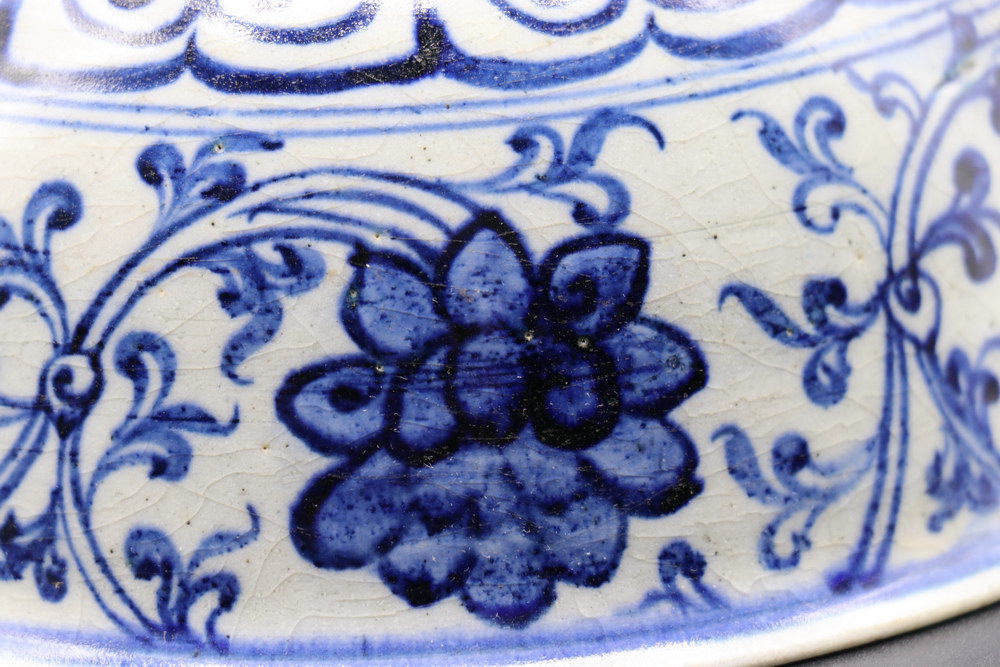
The glaze is a type of material that is commonly added to the surface of the pottery. This is usually heated up to 1250 degrees Celsius to create a glassy protective layer on the surface.
The application of glaze is not a necessary step to create a beautiful pot. But it is undeniable that glaze adds great aesthetic and functionality to a piece.
All pots made with clay have porous bodies, which means they can leak when liquid is placed in them. That’s why glaze is added for these pieces to become suitable for dining or food storage.
Aside from adding functionality, glazed pots are aesthetically pleasing to look at. They are known to have various designs, color combinations, textures, and styles.
These designs are made by firing a piece in different temperatures, making these appear more pronounced.
Types of Glaze
The raw designs of the pieces are not the same before and after firing. During firing, a chemical reaction occurs. It’s like how iron rusts when exposed to water; it causes the applied colors to change.
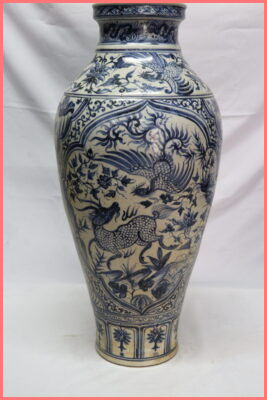
The common types of glaze are transparent, opaque, gloss, matte, breaking, and flowing.
Transparent glazes make it possible to see the clay underneath the glaze. All types of transparent glazes darken the color of the clay body underneath.
Opaque glazes do not show the clay body, and the gloss creates a sheen on the surface of the glaze. Matte does not allow any reflections to be made on the surface of the glaze.
Breaking is a type of glaze that changes in color and thickness depending on the shape of the clay body.
Lastly, flowing is a glaze that moves during firing. As its name goes, the result gives a flowing effect of the glaze.
The application of glaze makes a piece stand out more. However, it can cause some defects on the surface if not applied correctly.
What is a Glaze Contraction?
A glaze contraction is a defect that appears as a hole on the porcelain’s surface. The most common cause of this defect is when fatty or oily substances are left on the clay’s surface.
Once they apply a glaze over this fatty or oily substance, the glaze does not stick to the body. It will rather latch onto the substance. So during firing, the glaze evaporates when the substance reaches its burning or boiling point.
As a result, the accumulated gas escapes through the soft glaze. This will create a spot in which the melted glaze may flow to. If not, it will create a concave spot and may have a small hole in the middle.
Glaze Contractions as an Age Sign
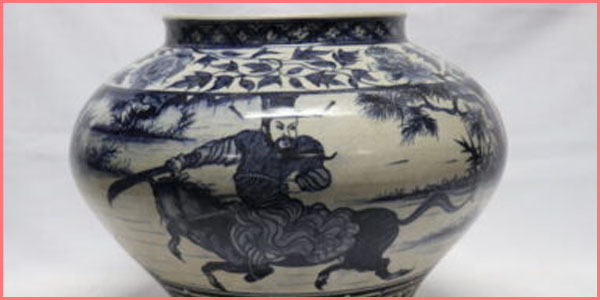
Many experts consider glaze contractions to be an indirect way of telling the age of an antique. Instead of the glaze contraction being an age sign, it shows the kiln condition at the time of the firing. This type of defect can be found in early types of porcelain like those created during the Ming dynasty.
Ultimately, glaze contractions determine when a piece was made and the kiln conditions during the era of its creation. The absence of the defect may be a sign that the porcelain was made during a different time.
Other Defects That Come with Glaze Contractions
Determining the age and authenticity of a piece is sometimes accompanied by other types of defects. The usual ones are crackles, rust spots, and discoloration.
Crackles are a network of cracks that appear on the surface of the glaze over time or after firing. To some, they refer to this as crazing. This is due to the mismatch of the thermal expansion of the body and glaze.
A small change in size can lead to crazing. Usually, this is caused by the brittle nature of clay and its need to release stress when under pressure. In essence, crazing happens when the glaze contracts more than the clay body.
Rust spots are the iron particles that are sealed during the firing process. These iron particles reach the surface of the glaze over a long period. Usually, these spots are small and have a darker brown color, while larger ones are usually lighter in color.
Lastly, discoloration is not a common defect on pieces. However, it happens when a piece is buried in soil or gets submerged in the sea for an extended period.
For example, a shipwrecked piece that was in the water for over 200 may have little to no discoloration. However, an antique that has been submerged for more than 700 years may have little to no glaze left.
The best way to determine if a piece is authentic is by checking these defects since they usually come together. Glaze contractions may be copied, but each piece’s circumstance is never the same.
That’s why learning about these defects’ appearance or feel is important in determining a real antique.