


Kiln Firing Faults
Many antique porcelain age signs involve kiln firing faults. Despite the imperfections, experts acknowledged these faults as identifying markers of authentic pieces.
What Are Kilns?
Kilns are insulated chambers that use gas, coal, and electricity as fuel to create heat for bricks, metal, and ceramics. Often, a kiln is unique for the item they heated on it.
The earliest known use of a kiln was the Pit Fire kiln, which was basically a hole in the ground. On the hole, pots were loosely stacked on top of each other. Flammable materials were lightly packed around the pots and then set fire to.
After the fire died down, potters waited for the pots to cool. Next, they brushed off the ash then used the pots for water storage and transport. Pots that were fired this way were usually weaker due to the low temperature that the fire produced.
Innovations in kilns allowed potters to make sturdier and better-designed pots. The process of heating pots in a kiln is what potters call firing.
Many consider that firing is where the magic happens in pottery. It causes the raw clay to harden into a beautiful and useful masterpiece. The act of firing a pot required skill, experience, and an open mind for a potter to create a flawless piece.
Different Kiln Firing Faults
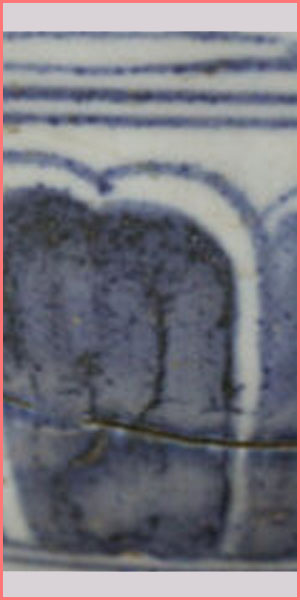
If not done correctly, firing can form a plethora of faults that can damage a piece. Here are different kinds of kiln firing faults:
Black Coring
A defining factor of black coring is a gray or black layer under the surface of a piece. It s usually associated with bloating and can make a piece weaker and discolor the glaze.
There are two causes of black coring. First is the unfinished burning of organic material containing sulfur and carbon. The second is the early or heavy reduction during firing.
Unfinished burning of the materials is caused by the kiln lacking oxygen. Firing requires oxygen to combine with sulfur and carbon to allow them to leave the pot. When the process strips oxygen from red iron in the clay, it causes the core to turn black.
Bubbles, Blistering and Cratering
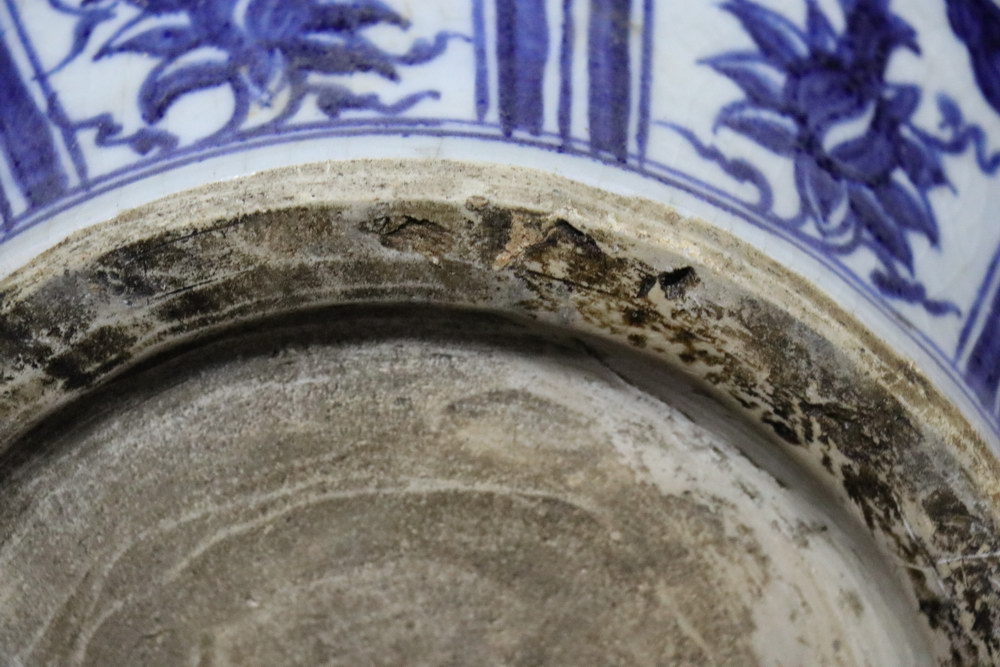
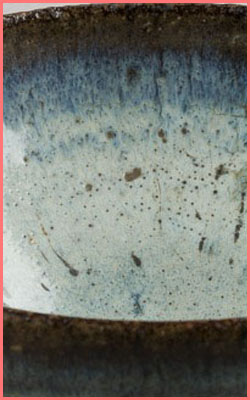
Unlike black coring, which happens under the surface, bubbles, blistering, and cratering happen on the pot’s surface. When the kiln is over-fired or fired too quickly, it makes a glaze blister. This causes the minerals within the piece to create gas when the glaze is still melting.
It then creates bubbles that can vary in size and distribution due to the type of glaze melt. The bubbles formed during this fault can either stay or pop. When a blister pops and shows bare clay, this is called the cratering.
When this glaze bubble hardens, it forms cratering, which may deform the piece or cause breakage after cooling.
Pinholes
Pinholes are small holes that are usually the size of pinheads. One can find them on the surface of the glaze that penetrates deep into the clay body. Fast firing is the common cause of this defect.
Thicker applications of glaze are more susceptible to pinholes than their thinner counterparts. This is similar to how blisters form. Bigger pinholes may also be attributed to crawling.
Crazing
This defect appears as a network of small hairline cracks that can occur right after the firing or years later. This is caused by an inconsistent expansion of both the glaze and the clay body during heating.
Furthermore, crazing is caused by the brittle nature of ceramics. Its brittleness makes it susceptible to cracking under a small amount of stress.
In other words, crazing happens when the cooling of the ceramic body is faster than the glaze. As a result, cracks appear.
Shivering
Shivering is the opposite of crazing. Instead of the body contracting, it is the glaze that contracts.
The contracting glaze is stressed due to the compression of the body. This causes the glaze to peel off in flakes to relieve some stress.
Shivering is dangerous for wares used in dining. The peeled-off flakes may be razor-sharp, which can cause problems when ingested.
Warping
Warping happens when pieces are deformed during firing. Examples of warping include pieces with out-of-round rims and sagging sides.
Dunting
Dunting happens when one opens a kiln too early. This causes the piece inside to either crack or break into many pieces due to the rapid cooling.
Exploding
Exploding happens when potters remove water from the pot too fast in the early stages of firing. This kiln firing fault could be one of the worst.
Given these different types of kiln firing faults, a lot blame potters on the defects in their pieces. Many have learned various techniques to prevent them from happening. However, some of these faults are unavoidable even with precision and skill.